
Plants
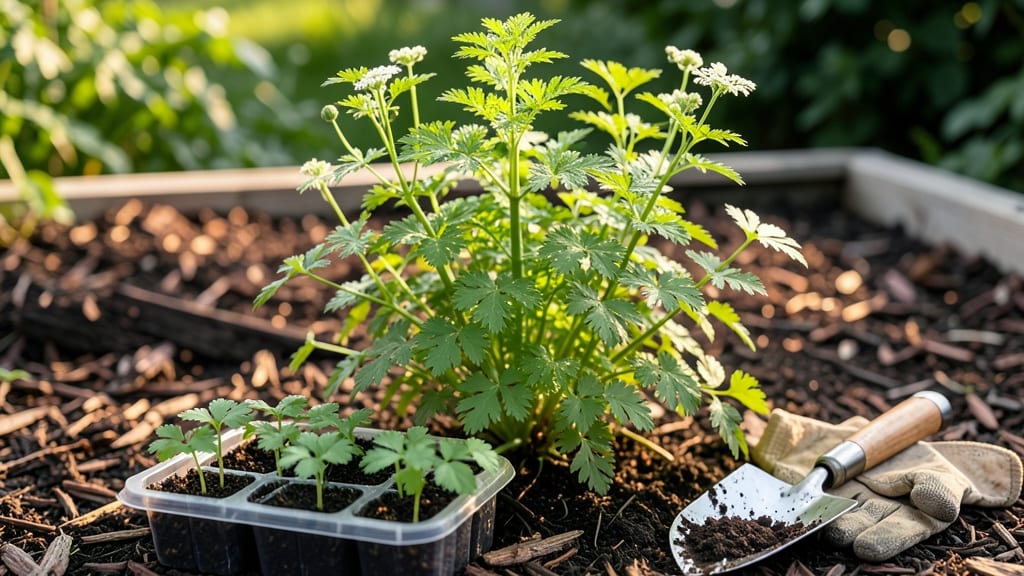
If you’ve ever planted cilantro in North Carolina only to watch it bolt into bitter flowers before you could even harvest a handful of leaves, you’re not alone.
The key to growing lush, flavorful cilantro 🌱 lies in planting at the perfect time—when temperatures are cool but not freezing, and days are long enough to support steady growth without triggering bolting.
For gardeners in zones 7a-8b, timing is everything: too early, and frost will kill your seedlings; too late, and summer heat sends cilantro racing toward flowers. The sweet spot?
Early spring (March-April) and late summer (August-September) when soil stays between 40°F and 75°F, giving you two chances to enjoy fresh herbs straight from your garden.
I’ve tested these windows firsthand, and the results speak for themselves: cilantro planted at the right time thrives for 6-8 weeks of harvests, while off-timing can shrink that window to just 2-3 weeks before bolting.
Here’s exactly how to align your planting schedule with NC’s climate for zero-bolt success—and why a little patience now saves hours of frustration later.
Ready to transform your cilantro game? Let’s break down the step-by-step schedule that’s kept my garden producing tender leaves all season long, even in the heat of summer. Spoiler: it’s not as complicated as you think!
North Carolina’s ideal cilantro planting zones & months for zero bolt
North Carolina’s diverse climate zones (6a-8b) mean cilantro thrives in spring and fall, but timing is critical to avoid bolting. The key is planting when soil temps stay between 40°F and 75°F—too hot or cold, and your cilantro will flower prematurely or fail entirely.
Coastal areas (like Wilmington) have milder winters, while Piedmont regions (Raleigh, Asheville) face earlier frosts.
For zero-bolt success, align your planting with NC’s last and first frost dates. Most areas see their last frost in mid-March, while the first frost arrives in mid-November. This leaves a 180-240 day frost-free window, perfect for two cilantro cycles: spring and fall.
Spring planting should start in early March (after frost risk passes) for harvests by May-June. Fall planting begins in late August to ensure harvests before November’s first frost. Miss these windows, and you risk bitter, flowering cilantro or stunted growth.
🌱
| Zone | Spring Planting | Fall Planting | Key Tips |
|---|---|---|---|
| 6a (Mountains) | Late April - Early May | Mid-August | Use shade cloth in summer |
| 7a (Piedmont) | Early March - April | Late August - Early Sept | Succession plant every 2 weeks |
| 8a (Coastal) | February - March | September - October | Extend season with row covers |
North Carolina’s coastal regions (USDA Zone 8a) enjoy longer growing seasons, allowing cilantro to thrive from February through October. In contrast, mountain zones (6a) have shorter windows, demanding earlier spring and later fall plantings.
For example, Asheville gardeners should start cilantro in late April for spring, while Wilmington can begin as early as February.
Soil temperature is your best indicator for planting. Use a soil thermometer to confirm temps are above 40°F before sowing. In NC, this typically aligns with mid-March for spring and late August for fall. Cool-season varieties like ‘Santo’ or ‘Calypso’ handle NC’s heat better than standard cilantro.
Bolting is triggered by heat stress or long days. In NC’s summer, cilantro planted after June 1st will likely bolt within 3-4 weeks. To extend harvests, opt for shade cloth (30-50%) or grow cilantro under partial shade (morning sun, afternoon shade).
This mimics cooler conditions and delays bolting by 2-3 weeks.
🌿
For container gardening, NC gardeners can push cilantro’s limits. Use 5-gallon pots with well-draining soil and place containers in partial shade during peak summer. This method works well for balconies or patios in cities like Charlotte or Raleigh, where space is limited but heat is intense.
Always test your soil pH (6.0-7.0) before planting. North Carolina’s native clay soils often need amendments like compost or peat moss to improve drainage. Poor drainage leads to root rot, which weakens plants and makes them more susceptible to bolting.
💧
North Carolina’s ideal cilantro planting zones & months for zero bolt
North Carolina’s diverse climate—from the coastal plains to the mountain regions—means cilantro planting times vary dramatically. Most of the state falls within USDA zones 7a-8b, but microclimates create unique challenges.
The key to zero-bolt cilantro is planting when daytime highs stay below 75°F and nights dip below 60°F.
For spring planting, aim for late February to early April in coastal areas (like Wilmington) and March to early May in the Piedmont (Raleigh) or mountains (Asheville). Fall is your second chance: late August to early October gives cilantro time to mature before first frost hits in mid-November.
Here’s how NC’s three main regions differ in planting windows:
| Region | USDA Zone | Spring Planting | Fall Planting |
|---|---|---|---|
| Coastal Plains | 8a-8b | Late Feb–Early Apr | Late Aug–Early Oct |
| Piedmont | 7a-7b | March–Early May | Mid-Aug–Late Sep |
| Mountains | 6a-7a | April–Early June | Late July–Early Sep |
Coastal areas can push spring planting into April thanks to warmer winters, while mountain gardeners must wait until April or May to avoid frost. For fall plantings, mountain regions have the shortest window—late July to early September—to harvest before winter sets in.
Pro tip: Use local frost date guides (like NC State Extension’s) to fine-tune your schedule. For example, Asheville’s last frost often occurs by April 15, while Wilmington’s may linger until March 1. Planting 4-6 weeks before your area’s last frost date ensures healthy seedlings.
Remember, cilantro’s ideal temperature range is 40°F–75°F. Heat above 80°F triggers bolting, so shade cloth becomes your best friend in summer. In Zone 8b (coastal NC), even June plantings can work with afternoon shade and daily watering.
🌱