
Flowers
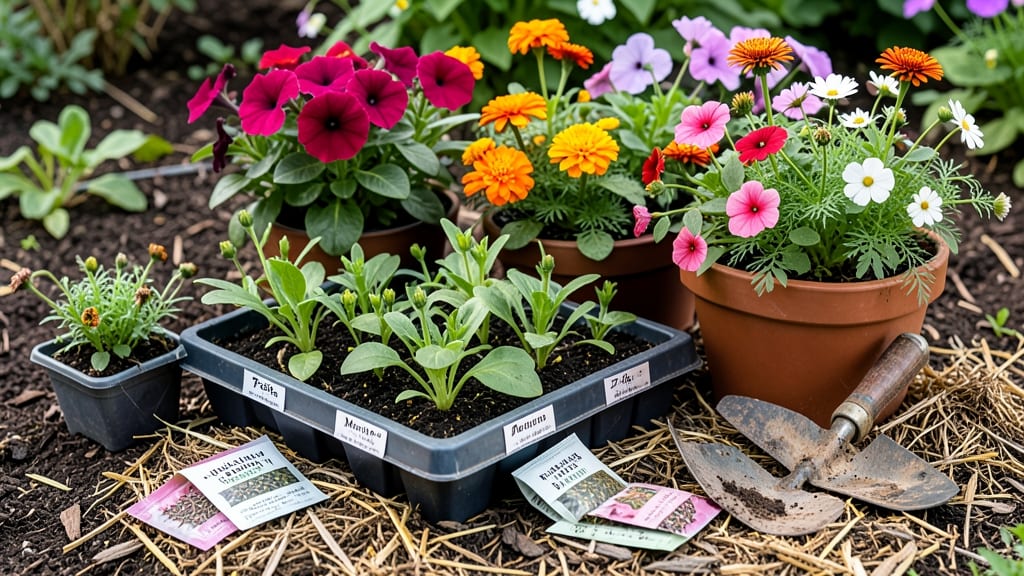
Timing your planting of 🌸 flowers in Delaware isn’t just about following a calendar—it’s about beating the clock on frost and heat to give your garden the best shot at thriving.
With Delaware’s USDA Zone 7b climate, you’ve got a narrow window between the April 15 last frost and the November 15 first frost, so getting it right means the difference between a showstopping garden and a sad, wilted mess.
I’ve spent years perfecting my own garden timing, and what I’ve learned is that spring planting (March–May) and fall planting (August–September) are your golden opportunities. Annuals like marigolds and zinnias need that 50–70°F soil to take root, while perennials like coneflowers can handle cooler temps—if you plant them early enough.
The key? Knowing when to push the soil and when to hold back.
But here’s the thing: Delaware’s microclimates throw a wrench in the plan. Coastal areas stay warmer longer, while inland spots near Wilmington or Dover can get chilly faster.
That’s why I’m breaking down exactly when to plant each type of flower—whether you’re dealing with bulbs, annuals, or hardy perennials—and how to adjust for your specific corner of the state.
Ready to turn your garden into a year-round bloom machine? Let’s dive into the exact deadlines, the best flowers for each season, and how to outsmart Delaware’s quirks so your garden stays vibrant from spring to fall.
Delaware flower planting deadlines by season: exact dates for USDA Zone 7b
Delaware’s USDA Zone 7b offers a 180-day frost-free season, but timing your flower planting correctly ensures your garden thrives. The average last frost date is April 15, while the first frost typically arrives October 15.
These dates create two prime planting windows: spring (March–May) and fall (August–September).
For annual flowers, wait until 2–4 weeks after the last frost to avoid cold snaps. Perennials and bulbs, however, can handle cooler soil—plant them as early as March or in early fall for root establishment. Understanding these deadlines helps you avoid frost damage and overcrowded roots.
🌱 Delaware Flower Planting Deadlines
| Season | Planting Window | Key Deadlines | Soil Temp |
|---|---|---|---|
| Spring | March–May | Last frost: April 15 Annuals: April 22–May 6 |
50–70°F |
| Fall | August–September | First frost: October 15 Bulbs: September 1–15 |
60–75°F |
| Winter | None (dormant) | — | Below 40°F |
Spring planting kicks off in March for cold-hardy perennials like pansies and snapdragons, which tolerate 40°F soil. By April, the soil warms to 55°F, making it safe for annuals like marigolds and zinnias.
Always check your local frost forecast—Delaware’s coastal areas may warm 1–2 weeks earlier than inland zones.
Fall planting in August–September gives bulbs (tulips, daffodils) and tender perennials (lavender, coneflowers) time to establish roots before winter. Aim to plant 6–8 weeks before the first frost—this means September 1–15 for most of Delaware. Overheating in late summer can stress plants, so water deeply before transplanting.
Delaware’s humidity levels (especially near the coast) can delay soil warming in spring. If your garden feels damp or cool past April 15, wait until May 1 to plant heat-loving annuals like sunflowers or cosmos. Use a soil thermometer to confirm 55°F+ soil temps before planting.
For container gardening, extend your season by 2–3 weeks—pots warm faster than in-ground soil. Start pansies or sweet alyssum in late February for early blooms, then transition to heat-tolerant varieties like geraniums by May. Always use well-draining soil to prevent root rot in containers.
Missed the spring window? Don’t worry—fall planting is just as productive. Focus on cool-season flowers like asters and chrysanthemums, which bloom until first frost. Mulch heavily after planting to insulate roots and retain moisture during Delaware’s fall droughts.
Pro tip: Mark your planting deadlines on a garden calendar with reminders for soil prep (amend with compost in fall) and fertilizing (feed annuals every 4–6 weeks). Adjust for microclimates—southern Delaware stays warmer longer, while northern areas may need 1–2 extra weeks of caution.
By following these seasonal deadlines, you’ll maximize blooms and minimize frost damage—no more wilted dreams! Start with cold-hardy varieties in spring, then transition to heat-lovers as temperatures rise. Your Delaware garden will thank you with vibrant, long-lasting color all season.
Best flowers to plant in Delaware by month: a month-by-month guide
Delaware’s moderate climate lets you enjoy year-round color, but timing matters. Start with cool-season bloomers in early spring and transition to heat-loving annuals by summer. Here’s my month-by-month planting roadmap for zero-frost success.
For March, focus on hardy perennials and cool-tolerant annuals like pansies and violas. These thrive in 40-50°F soil and handle light frosts. I always plant tulip bulbs too—just cover them with 2-3 inches of mulch to protect from late frosts.
🌱 Month-by-Month Flower Planting Guide for Delaware
- Pansies
- Violas
- Tulip bulbs
- Daffodils
Soil temp: 40-50°F
- Petunias
- Snapdragons
- Calendula
- Sweet peas
Soil temp: 50-60°F
- Marigolds
- Zinnias
- Sunflowers
- Cosmos
Soil temp: 60-70°F
- Lantana
- Portulaca
- Gomphrena
- Transplant perennials
Focus: Heat tolerance
- Mums (for fall color)
- Asters
- Goldenrod
- Crocus bulbs
Soil temp: 55-65°F
- Sweet alyssum
- Stock
- Dianthus
- Plant spring bulbs
Soil temp: 50-60°F
💡 Pro Tip: Always check soil temperature with a thermometer—50°F+ is ideal for most flowers.
In April, when soil warms to 50-60°F, switch to heat-tolerant annuals like petunias and snapdragons. These bloom nonstop if planted 2-3 weeks after last frost (usually April 15). I also direct-sow sweet peas for vertical interest—just stake them early!
By May, Delaware’s longer daylight hours trigger summer bloomers. Plant marigolds and zinnias for pest resistance and bright color. I space them 12-18 inches apart to prevent crowding and improve airflow, which cuts down on powdery mildew.
Don’t forget fall planting! In August, prepare for autumn color with mums and asters. These thrive in cooler temps and brighten up your garden as summer fades. I also plant crocus bulbs for early spring surprises—just cover them lightly with mulch.
For September, focus on cool-season annuals like sweet alyssum and stock. These bloom until frost and pair perfectly with fall perennials. I also plant spring-flowering bulbs (like tulips) now—they’ll establish roots before winter and bloom earlier next year.
Remember: Delaware’s humidity can be tricky. Always water deeply in the morning to prevent fungal diseases and mulch heavily to retain moisture. With this month-by-month guide, your garden will stay vibrant from spring to frost! 🌼