
Flowers
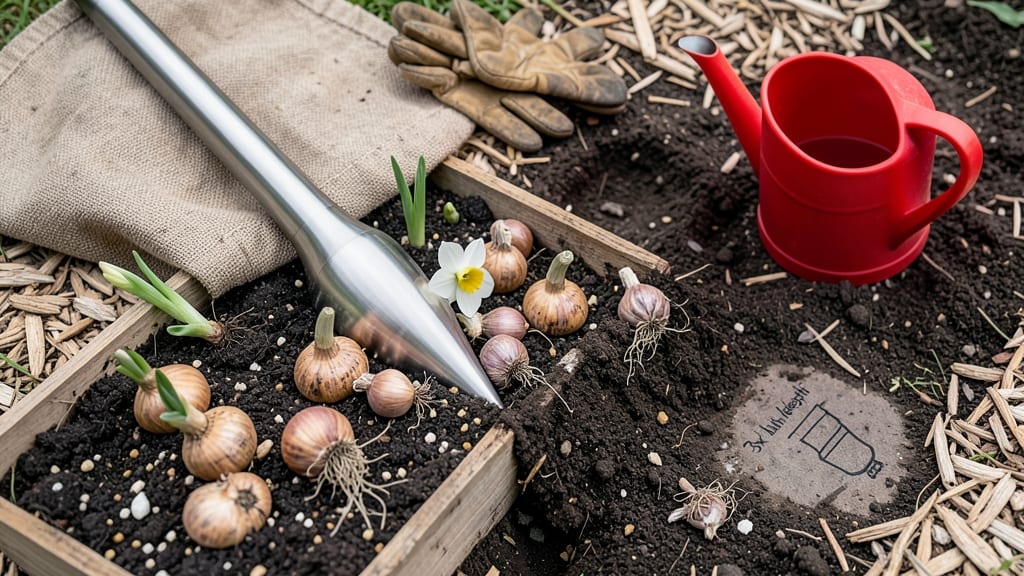
Timing your spring planting of flower bulbs 🌷 can make or break your garden's summer show—yet most gardeners still guess wrong about the perfect window. The truth?
A 6-week window before your last frost date is the sweet spot for reliable blooms, but regional differences mean your neighbor's schedule might not work for you.
If you've ever planted bulbs in spring only to watch them fail to bloom, you're not alone. The key lies in understanding your local frost dates and soil temperatures, which vary dramatically across zones like 6a.
I'll break down exactly when to plant based on science—not just rules of thumb—so you can avoid the most common mistakes that waste time and money.
Beyond timing, we'll cover soil prep that ensures strong root growth and post-planting care that keeps your flower bulbs 🌷 thriving. Whether you're working with tulips, daffodils, or alliums, these insights will help you transform your garden from lackluster to spectacular—without the trial-and-error frustration.
Ready to plant with confidence? Let's dive into the exact steps that will have your garden bursting with color, from the moment the first blooms appear until summer's end.
The 6-Week pre-frost rule: exact timing for spring flower bulbs
Spring flower bulbs need precise timing to thrive, and the 6-week pre-frost rule is your golden formula. This science-backed method ensures bulbs establish roots before summer heat arrives, guaranteeing blooms next season.
The key? Planting when soil temperatures hit 50°F (10°C) and 6 weeks before your first fall frost—not when you think spring starts.
Most gardeners focus on calendar months, but frost dates and soil temperature are far more critical. For example, in Zone 5, this window is typically late March to early April, while Zone 8 gardeners can wait until February or March.
Ignoring these details often leads to bulbs rotting in cold soil or blooming too late.
Here’s the secret: bulbs need 4-6 weeks of root growth before summer’s heat halts development. Plant too early, and roots may rot in cold, wet soil. Too late, and bulbs won’t establish before dormancy kicks in. The 6-week rule balances these risks perfectly.
Let’s break it down with a zone-specific summary table to pinpoint your exact planting window. This ensures you’re planting when bulbs can sprout, root, and bloom reliably—no guesswork involved.
| USDA Zone | Last Frost Date | Ideal Planting Window | Soil Temp Requirement |
|---|---|---|---|
| Zones 3-4 | Mid-May | Late April to early May | 50°F (10°C) minimum |
| Zones 5-6 | Mid-April | Late March to early April | 50°F (10°C) minimum |
| Zones 7-8 | Mid-March | February to early March | 55°F (13°C) minimum |
| Zones 9-10 | Late January | January to early February | 60°F (16°C) minimum |
🌱 Pro Tip: Use a soil thermometer to confirm temperatures before planting.
Now that you’ve got your zone-specific window, let’s talk soil preparation. Bulbs hate soggy soil, so amend your garden beds with compost or sand if your soil drains poorly.
Aim for well-draining, slightly sandy loam—think of it as giving your bulbs a cozy, airy nest. A 2-inch layer of mulch after planting helps retain moisture while preventing weeds.
Depth matters too! Plant bulbs 2-3 times as deep as their height, with the pointy end facing up. For example, a 2-inch-tall tulip bulb should go 4-6 inches deep. This protects them from temperature swings and pests like squirrels.
Mark your planting spots with stakes or flags if you’re unsure which end is up—no one wants to dig up a bulb to check!
After planting, water deeply but infrequently. Bulbs need consistent moisture to root but will rot if overwatered. Aim for 1 inch of water per week, delivered in the morning to reduce fungal risks. Avoid watering at night, as damp foliage invites diseases like botrytis blight.
One final tip: Fertilize lightly after blooming to encourage next year’s flowers. Use a balanced 5-10-10 fertilizer at half-strength. This feeds the foliage, which stores energy in the bulb for next season’s blooms. Skip heavy fertilizing now—you’re not growing leaves, you’re setting up roots!
By following the 6-week pre-frost rule and these soil prep tips, your flower bulbs will thrive, bloom reliably, and multiply year after year. Next up: we’ll dive into the best bulb varieties for your region and how to choose cold-hardy vs. heat-tolerant types for your climate.
The 6-Week pre-frost rule: exact timing for spring flower bulbs
Spring flower bulb planting isn't just about throwing bulbs into the ground—it's about calculating frost dates and soil temperatures to ensure vibrant blooms. The 6-week pre-frost rule is my go-to method for timing, giving bulbs enough time to root before cold snaps.
Most gardeners overlook this, leading to weak growth or no flowers at all.
First, find your last frost date (check the USDA Plant Hardiness Zone Map). Then, count back 6 weeks—this is your planting window. For example, if frost hits April 15, aim to plant by March 1. This ensures bulbs establish roots before winter sets in again.
| Zone | Last Frost | Planting Window | Ideal Bulbs |
|---|---|---|---|
| Zones 3-5 | Mid-April | Early March | Tulips, Daffodils |
| Zones 6-7 | Early April | Late February | Hyacinths, Alliums |
| Zones 8-10 | Mid-March | January-February | Heat-tolerant bulbs |
Don't skip soil temperature checks—bulbs need soil at 50°F (10°C) or warmer. Use a soil thermometer or wait for consistent daytime temps above 60°F (15°C). In cooler zones, plant cold-hardy bulbs like daffodils earlier, as they tolerate frost better than tulips or hyacinths.
Pro tip: Mulch after planting to insulate bulbs and retain moisture. Use 2-3 inches of straw or shredded leaves, but avoid heavy mulch that can suffocate roots. This extra layer helps bulbs survive late frosts while they establish.
If you miss the spring window, don't panic! Many bulbs can be planted in fall for next spring. But for immediate blooms, stick to the 6-week rule—it’s the secret to reliable, show-stopping flowers.
Remember, timing beats luck in gardening. With this rule, you’ll know exactly when to plant for full, healthy blooms every season. 🌷