
Plants
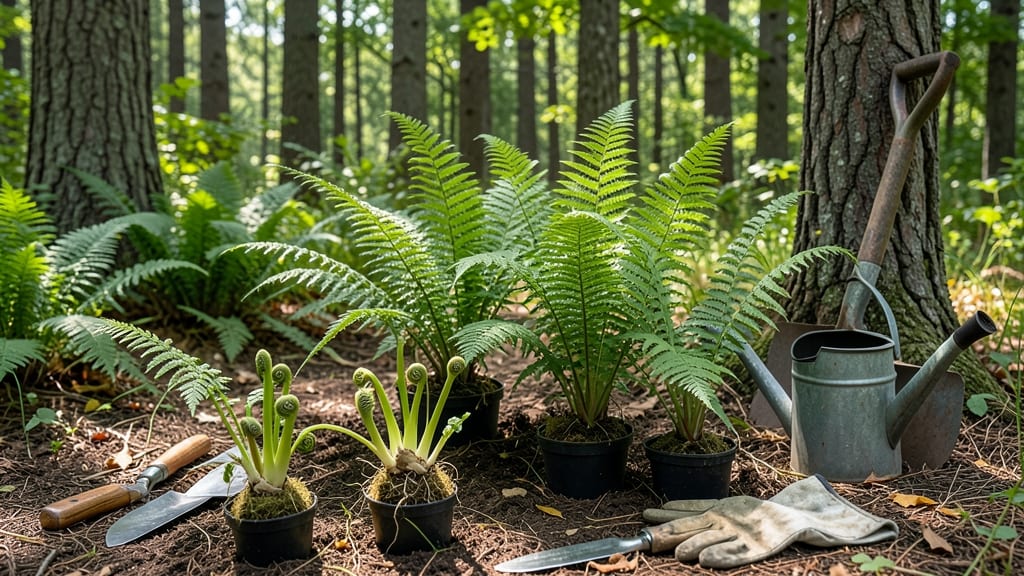
Planting ferns in Michigan at the wrong time can mean wilted leaves by summer—so timing is everything to get that lush, vibrant 🌿 growth you’re dreaming of.
The key is understanding your region’s frost dates and soil conditions, whether you’re in the Upper Peninsula’s cooler zones or southern Michigan’s milder climate.
Most gardeners in USDA zones 5b-6b get the best results by planting ferns in early spring (March-June) or early fall (August-September), when temperatures are stable and moisture levels are ideal. But here’s the catch: Northern Michigan’s shorter growing season means you’ll want to start earlier than southern areas.
I’ll walk you through the exact months to plant for your specific location, plus soil prep tips and shade strategies that make all the difference. Skip the guesswork—let’s get those ferns thriving from day one.
Ready to transform your garden into a shady oasis? The right timing isn’t just about when to dig—it’s about setting your ferns up for years of effortless beauty. Let’s make it happen.
Best months to plant ferns in Michigan for optimal growth
Michigan’s USDA hardiness zones 5b-6b create a unique challenge for fern gardeners. Unlike sun-loving plants, ferns thrive in cool, moist conditions, so timing your planting is critical. The ideal window spans from early spring to early summer (March–June) and early fall (August–September).
This timing aligns with Michigan’s soil temperature fluctuations and avoids the stress of extreme heat or frost.
For spring planting, aim for after the last frost date (typically mid-April in southern Michigan, late May in the Upper Peninsula).
This gives ferns’ delicate roots time to establish before summer’s heat sets in. Fall planting is equally effective—August to early September allows roots to settle before winter dormancy. Avoid planting in late summer (July) when soil can dry out quickly.
Different fern varieties have slightly different preferences. Maidenhair ferns, for example, prefer shadier, moister conditions and benefit from early spring planting, while ostrich ferns (hardier types) can handle late spring or early fall transitions better.
Always check your specific variety’s cold hardiness rating—most Michigan-friendly ferns tolerate down to -15°F.
🌿
| Planting Window | Best Months | Soil Temp | Key Considerations |
|---|---|---|---|
| Spring | March–June | 50–65°F | Post-frost; moist soil essential |
| Fall | August–September | 55–70°F | 6+ weeks before frost; mulch heavily |
| Avoid | July, Late October | N/A | Heat stress or frost damage risk |
Michigan’s regional differences play a huge role in fern planting success. In the Lower Peninsula, where summers are warmer, late spring planting (May–June) often works best. Meanwhile, the Upper Peninsula’s cooler climate allows for earlier spring or late summer planting without heat stress.
Always adjust for your local microclimate—urban areas may stay warmer longer than rural spots.
For container-grown ferns, timing shifts slightly. You can plant potted ferns anytime the ground isn’t frozen, but they’ll need consistent moisture and protection from late spring frosts.
If you’re moving ferns from pots to garden beds, do it in early spring or early fall to minimize transplant shock. Hardened-off plants (acclimated to outdoor conditions) fare better in fall transitions.
One common mistake is planting ferns too early in spring when soil is still cold. Fern roots struggle below 50°F, leading to poor establishment. Use a soil thermometer to confirm temperatures before planting.
In fall, aim to plant 6–8 weeks before your first frost date—this gives roots time to anchor before winter dormancy.
Pro tip: Mulch heavily after planting (2–3 inches of organic mulch) to retain moisture and regulate soil temperature. This is especially critical in Michigan’s dry summers and freeze-thaw cycles. Use shredded bark or leaf mold for best results—avoid fresh wood chips, which can rob nitrogen from the soil.
🌱
Best months to plant ferns in Michigan for optimal growth
Michigan’s USDA hardiness zones 4-6 mean ferns thrive best when planted during two key windows: early spring and early fall. For spring planting, aim for April to early June after the last frost—typically around April 15—when soil temperatures reach 50°F or warmer.
This gives ferns time to establish roots before summer heat arrives.
Fall planting is equally effective, with August to mid-September being ideal. Planting in late summer allows roots to settle before winter dormancy, reducing transplant shock. Avoid planting after mid-October, as new growth may not harden off before frost.
Here’s how Michigan’s regional microclimates influence timing:
- Southern Michigan (e.g., Detroit, Ann Arbor): Can plant 1-2 weeks earlier due to milder winters.
- Northern Michigan (e.g., Traverse City, Upper Peninsula): Wait 2-3 weeks later to avoid early frost.
🌿 Michigan Fern Planting Windows
| Planting Window | Best Months | Soil Temp | Notes |
|---|---|---|---|
| Spring | April–Early June | 50°F+ | After last frost; mulch to retain moisture |
| Fall | August–Mid-September | 60°F+ | 6-8 weeks before first frost; water deeply |
| Southern MI | March–Early June | 50°F+ | Warmer microclimate allows earlier start |
| Northern MI | May–Early July | 55°F+ | Later frost dates delay planting |
🌱 Pro Tip: Test soil moisture before planting—ferns hate soggy roots!
For container-grown ferns, you can plant 1-2 weeks later than ground planting, as pots warm up faster. However, ensure containers have drainage holes to prevent root rot—a common issue in Michigan’s humid summers. Use a well-draining potting mix blended with peat moss or perlite for optimal results.
Popular Michigan-friendly fern varieties like Ostrich ferns and Christmas ferns tolerate Zone 4 winters but still benefit from spring mulching. Apply 2-3 inches of mulch (e.g., shredded bark or leaf mold) after planting to lock in moisture and insulate roots during temperature swings.
Timing isn’t just about months—it’s about soil conditions. Wait until the ground is workable but not muddy; compacted soil stunts root growth. In clay-heavy Michigan soils, amend with compost or sand to improve drainage.
This prep work pays off with lush, year-round foliage—even in Michigan’s short growing season.