
Plants
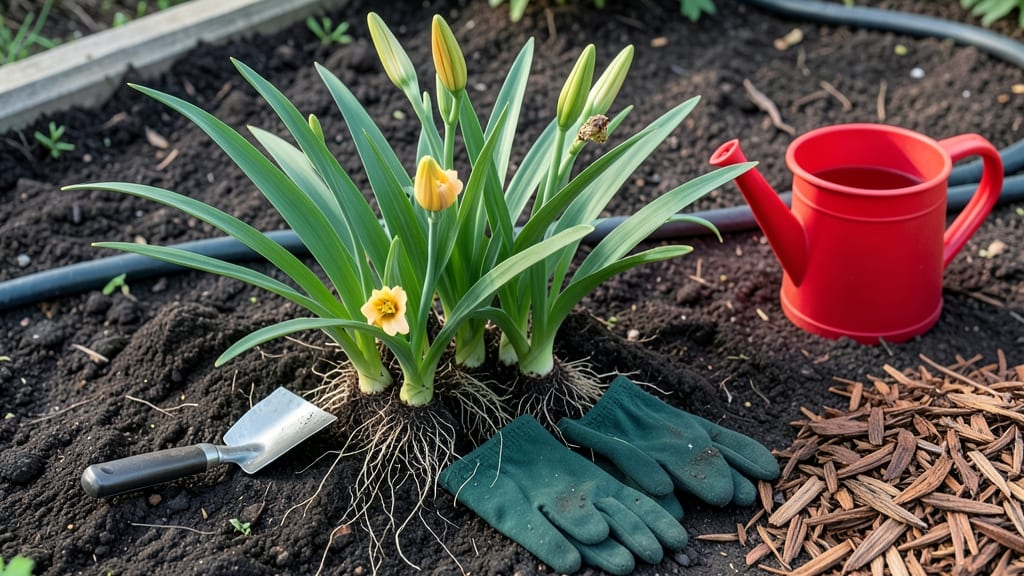
Planting daylilies at the wrong time in Georgia can mean struggling plants and fewer stunning 🌸 blooms—but getting the timing right is easier than you think. With Georgia's mild winters and long growing season, you've got two perfect windows to plant these hardy perennials for maximum impact.
The best months to plant daylilies in Georgia are early spring (March) or early fall (September-October), when temperatures are cool but not freezing. This timing gives roots time to establish before summer heat or winter dormancy sets in.
For gardeners in USDA Zones 7a-8b, fall planting often yields the most vigorous growth—just avoid late October when frost threatens. Whether you're a seasoned gardener or just starting, these timing tips will help your daylilies thrive year after year.
Let's dive into the exact planting schedule that works best for your Georgia garden, plus pro tips to ensure your daylilies put on a show from their first season.
Best planting months for daylilies in Georgia’s climate zones
Georgia’s USDA Zones 7a-8b create a near-perfect environment for daylilies, but the best planting windows depend on your region’s microclimate. In Northern Georgia (like Atlanta), cooler springs and earlier frosts demand earlier action, while Southern Georgia (like Savannah) offers a longer fall window.
Let’s break down the ideal months for each zone to maximize blooms.
For Northern Georgia, the sweet spot is early spring (March) or early fall (September-October). This timing lets roots establish before summer heat or winter frosts. In Southern Georgia, you can extend planting into late fall (November) since frosts arrive later.
The key is avoiding extreme heat or cold—daylilies hate soggy soil when stressed.
Here’s how to match your local frost dates to planting windows:
| Region | USDA Zone | Best Planting Months | Why This Timing? |
|---|---|---|---|
| Northern Georgia | 7a-7b | March or September-October | Avoids late frosts (March 15) and summer heat stress. |
| Central Georgia | 7b-8a | March-April or September-November | Flexible window with fewer frost risks. |
| Southern Georgia | 8a-8b | March-April or September-December | Warmer winters allow late fall planting. |
If you’re in Zone 7a (like the Blue Ridge Mountains), prioritize September planting—this gives roots 8-10 weeks to harden off before winter. Meanwhile, Zone 8b gardeners in Savannah can plant as late as December, though November is ideal for avoiding winter rains.
Pro tip: Use bareroot daylilies in spring (they’re cheaper!) but opt for potted plants in fall for instant blooms. Just ensure the crown sits at soil level—burying it too deep causes rot, while leaving it exposed invites frost damage.
Georgia’s humidity and heat can stress young plants, so always water deeply after planting (1-2 inches) and mulch with 2-3 inches of pine straw to retain moisture. Avoid planting in mid-summer (June-August)—the heat shocks roots and delays blooms.
For fastest blooms, plant in early September—this gives daylilies time to root before winter dormancy, often resulting in earlier spring flowers. Just monitor your local weather forecasts for unexpected cold snaps, especially in October.
Remember: Daylilies are perennials, so fall planting is often better than spring. Their roots establish more slowly in hot Georgia summers, leading to weaker first-year growth. Plan ahead and give them the best possible start!
🌸
Best planting months for daylilies in Georgia’s climate zones
Georgia’s USDA hardiness zones 7a-8b create a unique growing window for daylilies, where timing directly impacts bloom success. Unlike northern states, Georgia’s mild winters and long growing season allow for two ideal planting windows: early spring and early fall.
The key is avoiding late frost risks in spring and hot summer stress if planted too late.
For northern Georgia (zones 7a-7b), where last frost dates range March 15-30, aim to plant daylilies in early April to mid-May. This gives roots time to establish before summer heat arrives.
In southern Georgia (zones 8a-8b), with later frost dates (March 1-15), you can start as early as February 20-March 15 for a head start.
🌱 Georgia Daylily Planting Timeline
| Region | Best Planting Window | Key Consideration |
|---|---|---|
| Northern GA (7a-7b) | Early April - Mid-May | Avoid late frost damage |
| Southern GA (8a-8b) | February 20 - March 15 | Earlier start for summer blooms |
| Both Regions | September 15 - October 15 | Cool roots, warm soil |
✅ Pro Tip: Test soil temp—ideal planting occurs when soil reaches 60°F+.
Fall planting (September-October) is often superior in Georgia because it allows roots to establish during cooler temperatures before summer heat arrives. This method produces stronger plants with earlier blooms the following year. For container-grown daylilies, you can extend fall planting until November 1 in southern regions.
Microclimates matter in Georgia—mountain regions (zone 7a) should wait until May 1 for spring planting, while coastal areas (zone 8b) can start as early as February 15. Always check your local frost dates and monitor soil temperatures using a soil thermometer for precise timing.
Daylilies planted in late summer (August) may struggle with establishment stress before winter, while those planted in late fall (November) risk root damage from freezing. The 60-day window between September 15 and November 15 gives you the safest margin for success.
For maximum blooms next spring, prioritize early fall planting (September) in most of Georgia. This timing aligns with natural dormancy cycles and ensures your daylilies emerge vigorously in March, ready to thrive in Georgia’s long, sunny summers. 🌸