
Plants
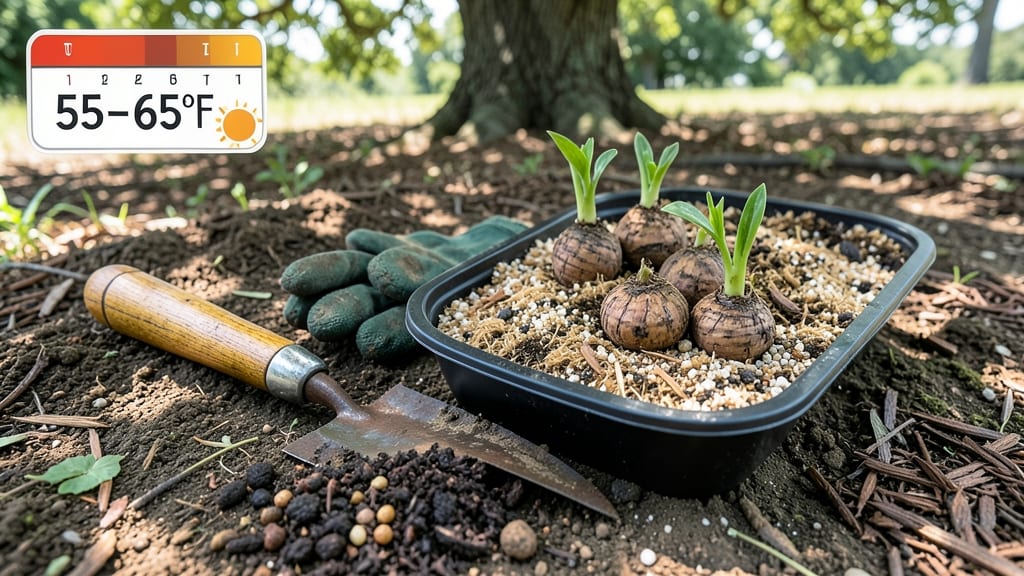
When to plant dahlias in Vermont means the difference between a showstopping summer garden and a sad, frost-nipped disappointment. Plant too early, and your tubers rot in cold soil; too late, and your blooms arrive after the first frost. The sweet spot? Mid-to-late May, when soil finally warms to 60°F—but here’s how to nail it without guessing.
Vermont’s 5b-6a climate throws curveballs with its unpredictable springs, but local frost data gives you a fighting chance. Most years, the last frost passes around May 15, but soil warmth lags behind—waiting for it to heat up is the real key.
I’ll show you how to use simple tools (like a soil thermometer) to avoid the most common mistakes gardeners make.
Once you’ve got the timing down, the next challenge is preparing your dahlias for Vermont’s short growing season. We’ll cover everything from soil prep to extending your bloom time with smart variety choices.
Trust me, by the end of this, you’ll know exactly when to plant—and how to keep those 🌼 dahlias thriving until the first frost in October.
Ready to turn your garden into a dahlia paradise? Let’s dive into the step-by-step guide that’s helped Vermont gardeners like you get it right—every single year.
Vermont’s ideal planting window for dahlias based on soil temperature
Determining the perfect time to plant dahlias in Vermont isn’t just about checking a calendar—it’s about understanding your soil’s internal temperature. Dahlias need soil that’s consistently 60°F or warmer to sprout properly.
In Vermont’s USDA Zones 4-5, this usually happens between mid-May and early June, but exact timing varies by region.
Northern Vermont (e.g., Chittenden County) often waits until late May due to cooler soils, while Southern Vermont (e.g., Windham County) may see warm enough soil by early May. Microclimates near lakes or urban areas can also shift your planting window by 1-2 weeks.
A soil thermometer is your best tool—stick it 4-6 inches deep in the ground (where you’ll plant) and monitor daily. If temperatures dip below 60°F at night, your dahlias may struggle to establish roots. Pro tip: Test soil in the morning for the most accurate reading.
Historical data from the Vermont State Climate Office shows that average last frost dates range from May 10 in Southern Vermont to May 25 in the Northeast Kingdom.
However, frost can linger, so always wait 4-6 weeks after the last frost to plant. This gives your tubers time to root before summer heat arrives.
If you’re in a late-spring year, consider starting dahlias indoors in biodegradable pots 6-8 weeks before your target outdoor date. Use a grow light to simulate long daylight hours, and transplant once soil warms. This trick extends your growing season by 2-3 weeks.
For container gardeners, black pots absorb heat faster than traditional terracotta, so they may warm up 2-3 days earlier than in-ground soil. If you’re using containers, aim to plant 1-2 weeks before your in-ground dahlias to give them a head start.
One common mistake is planting too early because the air feels warm. Soil temperature lags behind air temperature by 1-2 weeks, especially in Vermont’s cool climate. Rushing can lead to rotten tubers or stunted growth, so always prioritize soil warmth over calendar dates.
Here’s how to adjust for Vermont’s unpredictable springs:
- Track soil temps for 3-5 days to confirm consistency.
- Use row covers if planting early to protect from late frosts.
- Choose early-blooming varieties (like ‘Café au Lait’) for shorter seasons.
Remember, dahlias are tender perennials—they won’t survive Vermont winters outdoors. Plan to dig and store tubers by first frost (early October) to replant next year. This annual cycle means timing matters every single season.
| Region | Avg. Last Frost | Ideal Planting Window | Soil Temp Goal | Adjustment Tip |
|---|---|---|---|---|
| Northern VT (e.g., Burlington) | May 20-25 | Late May - Early June | 60°F+ (consistent) | Use black pots or row covers |
| Central VT (e.g., Montpelier) | May 15-20 | Mid-May - Late May | 58°F+ (minimum) | Test soil daily for consistency |
| Southern VT (e.g., Bennington) | May 10-15 | Early May - Mid-May | 55°F+ (earlier risk) | Choose cold-hardy varieties |
| All Regions (Containers) | N/A (earlier) | 1-2 weeks before ground | 58°F+ (black pots) | Move to ground when soil warms |
If you’re still unsure about your local conditions, contact your county extension office—they track soil temps and can provide hyper-local advice. For example, the University of Vermont Extension offers free soil temperature data for key locations. Don’t guess; measure and adjust!
Once your soil hits 60°F, plant dahlias 4-6 inches deep and 12-18 inches apart, depending on the variety. Larger tubers or standard-height dahlias need more space, while dwarf varieties can be planted closer together. Water deeply after planting to settle the soil and encourage root growth.
For gardeners in <
Frost-free deadlines and last-minute preparation for Vermont gardeners
Vermont’s frost dates vary dramatically by region—Southern Vermont (like Windham County) often sees its last frost by May 10, while Northern areas (like Chittenden County) can linger until May 25.
To avoid frost damage, plan to plant dahlias 4-6 weeks after your average last frost date, giving tubers time to establish roots before summer heat arrives. For 2024, check the Vermont State Climatologist’s frost prediction tools to refine your timeline.
If your local frost date feels too risky, extend your growing season with row covers or cold frames. These simple tools can push your planting window 2-3 weeks earlier by trapping heat and shielding tender shoots.
For extra insurance, start tubers indoors in biodegradable pots 4-6 weeks before your target outdoor date—this jumpstarts growth without risking early transplant shock.
Hardening off your dahlias is critical in Vermont’s chilly springs. Over 5-7 days, gradually expose potted tubers to outdoor conditions, starting with 2 hours of sunlight and increasing daily.
Watch for wilting or yellowing leaves—a sign they’re not ready. Once hardened, plant them after sunset to reduce transplant shock from afternoon heat or wind.
Not all dahlia varieties handle Vermont’s short season equally. Early bloomers like ‘Café au Lait’ or ‘Karma Choc’ thrive in cooler soils, while late-season performers like ‘Thomas Edison’ need warmer temperatures to reach their full potential.
Match your variety to your microclimate: Southern Vermont gardeners can push the envelope with taller types, while Northern growers should opt for dwarf or semi-dwarf varieties that mature faster.
🌱 Pro Tip: Use the USDA Plant Hardiness Zone Map to cross-reference your location (Vermont spans Zones 3-5) with your dahlia’s hardiness. Most dahlias are Zone 8+, but some cold-hardy varieties (like ‘Happy Single’) can tolerate brief dips to 28°F—perfect for Vermont’s occasional late frosts.
Vermont Frost Dates & Planting Adjustments
| Region | Avg. Last Frost | Safe Planting Window | Season Extension Tool |
|---|---|---|---|
| Southern VT (Windham Co.) | May 10 | May 25–June 1 | Row covers for 2-week boost |
| Central VT (Chittenden Co.) | May 18 | June 1–June 15 | Cold frame for early start |
| Northern VT (Essex Co.) | May 25 | June 15–June 30 | Indoor starter pots |
📌 Note: Adjust dates 1 week earlier if your microclimate is sheltered (e.g., near a south-facing wall).
After planting, mulch heavily with straw or shredded leaves to insulate roots and retain moisture. This is especially critical in Vermont’s variable summer weather, where sudden rain or drought can stress dahlias.
Monitor your garden for early signs of frost sensitivity, like yellowing leaves or stunted growth, and act quickly with emergency row covers if a late frost is forecasted.
With these strategies, you’ll turn Vermont’s short growing season into a dahlia powerhouse. Start with soil warmth, adjust for frost risks, and choose the right varieties—your garden will reward you with bold blooms from July through October. 🌺