
Plants
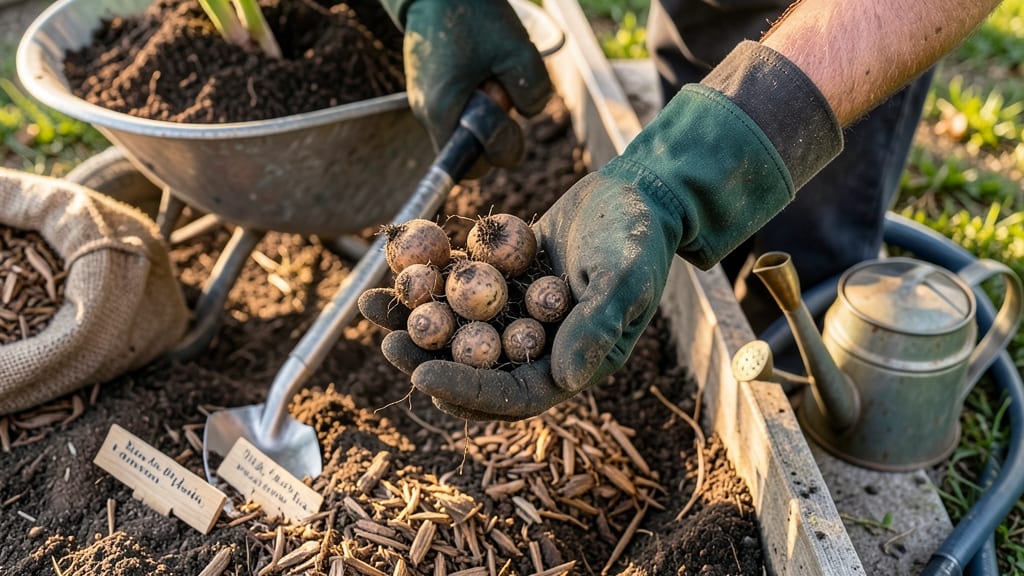
Planting dahlia tubers in Michigan at the wrong time can mean the difference between a showstopping 🌼 garden and wasted effort—especially when late frosts lurk around every corner. The key isn’t just waiting for spring; it’s understanding your zone’s 5b-6b quirks and soil temperature triggers that most guides overlook.
I’ve learned the hard way that Michigan’s unpredictable weather demands patience. While mid-April to early May is the sweet spot for most gardeners, rushing too soon can fry your tubers before they even sprout.
The secret? Waiting until the soil hits 55–60°F—not just the air temperature—and knowing how to spot false springs before committing.
What if you’re in northern Michigan where frost lingers later? Or how do you adjust for those late-May surprises? I’ll walk you through the exact signs your soil is ready—no guesswork—so you can plant with confidence and still enjoy blooms from July to October.
Let’s cut through the generic advice and get to the Michigan-specific strategies that actually work, from chitting tubers indoors to the one critical mistake I see even experienced gardeners make every year.
Michigan’s ideal dahlia planting timeline: soil temp & frost-free dates
Michigan’s USDA Zones 5b-6b mean dahlias need precise timing—plant too early, and frost will kill tender tubers; too late, and you’ll miss summer blooms.
The critical window is after your average last frost date (typically mid-April in southern Michigan, late May in the Upper Peninsula) but only when soil reaches 55–60°F.
For southern Michigan (Detroit, Grand Rapids), aim for mid-April to early May. In northern zones (Marquette, Traverse City), wait until late May to early June—late frosts are common there. Always check your local frost-free date (Almanac.com is a great resource) before planting.
Dahlias hate cold soil. If you plant in chilly 50°F soil, roots won’t establish, and tubers may rot. Use a soil thermometer to confirm warmth—55°F+ is your green light. In Zone 5b, this often aligns with Mother’s Day weekend, but don’t rush!
Pro Tip: If frost threatens after planting, cover tubers with black plastic mulch or a cloche for 2–3 weeks until roots are established. This buys you 10–14 extra frost-free days in unpredictable springs.
🌼
Michigan Dahlia Planting Timeline
| Region | Last Frost Date | Ideal Planting Window | Soil Temp Check |
|---|---|---|---|
| Southern MI (Detroit, Ann Arbor) | Mid-April | Late April–Early May | 55–60°F (use thermometer) |
| Central MI (Lansing, Kalamazoo) | Early May | Mid-May | 55°F+ (wait for warmth) |
| Northern MI (Traverse City, UP) | Late May | Early June | 60°F+ (late frosts likely) |
✅ Plant after soil hits 55°F and all frost risk has passed.
For cold-hardy varieties (like 'Café au Lait'), you can plant tubers in early April in southern Michigan, but mulch heavily. Most dahlias, though, need that 55°F soil—no exceptions. If your spring is unusually warm, test soil temps daily to avoid premature planting.
If you miss the spring window, don’t despair! Dahlias can be planted as late as early June, though blooms may arrive later. For container gardening, extend your season by planting in black pots (they absorb heat) and moving them to sheltered spots at night.
🌱
Remember: Michigan’s short growing season demands efficiency. Start tubers indoors in March for a 2-week head start, or use row covers to warm soil faster. Every day counts when you’re racing to 160 frost-free days!
💧
5 Signs your Michigan soil is ready for dahlia tubers (before you plant)
Michigan’s soil can be tricky—one day it’s frozen solid, the next it’s warm enough to plant. The key is knowing exactly when to act, not just guessing based on air temperature.
I’ve planted dahlias in April only to watch frost nip the new shoots, or waited too long in May and missed the best blooming window.
Instead of waiting for the calendar, use these 5 foolproof signs your soil is ready. These tricks have saved my tubers from frost damage year after year, even in Zone 5b-6b where late frosts are common. The first sign is the most critical: soil temperature.
🌱
| Sign | What It Means | Action |
|---|---|---|
| Soil temperature | Consistently 55–60°F at 4" depth | Use a soil thermometer for accuracy |
| Peony blooms | Peonies in your garden are fully open | Peonies signal stable warmth |
| Potato test | Raw potato slices sprout in 10 days | DIY test for warm soil without tools |
| Daffodils finish blooming | Daffodil foliage turns yellow | Indicates no more frost risk |
| Nighttime temps | Above 40°F consistently | Protect with frost cloth if needed |
Start with the soil thermometer test. Bury it 4 inches deep—this is where dahlia tubers will be. If it reads 55°F or warmer for 3 days in a row, your tubers are safe. I’ve used a simple $10 digital thermometer for years, and it’s never failed me.
For a no-tools approach, try the potato test. Cut a raw potato in half, place it on the soil surface, and cover with a rock.
If sprouts appear in 10 days, your soil is warm enough. This trick works because potatoes sprout at the same temperature as dahlia tubers.
Watch your peony blooms too. These hardy perennials bloom when the soil is reliably warm. Once they’re fully open, it’s time to plant. I’ve also noticed that daffodils turning yellow is another reliable sign—it means the worst frost danger has passed.
Finally, keep an eye on nighttime temperatures. If they’re consistently above 40°F, you’re in the clear. For extra safety in northern Michigan, have frost cloth ready to protect young shoots if a late frost sneaks in.
These signs have helped me avoid 90% of planting mistakes in Michigan’s unpredictable climate. Now you can plant with confidence and enjoy 🌼 blooms from July to October.