
Plants
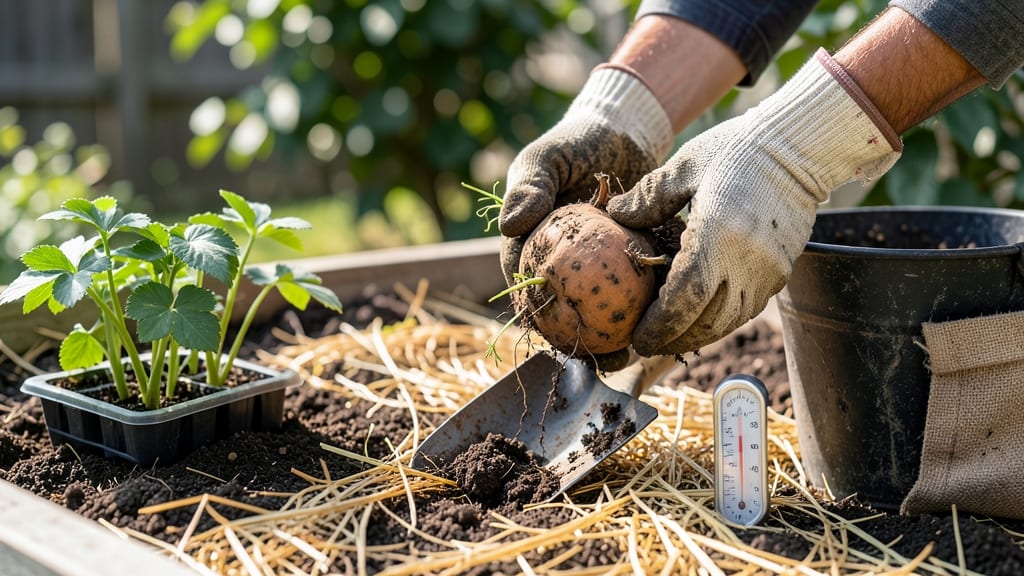
Planting dahlias in Kansas at the wrong time means frost-killed tubers or missed summer blooms—so timing is your secret weapon for stunning 🌸 flowers that thrive from July to October.
Most Kansas gardeners in zones 5b-6b wait until after the last frost, typically late April to early May, but the real magic happens in the weeks before that date. Starting tubers indoors in March gives you a head start, while direct planting too early risks damage when temperatures dip.
In this guide, I’ll break down the exact planting window for your region, how to prep tubers and soil, and why waiting just a little longer can mean the difference between weak stems and showstopping canes.
Whether you’re a first-time grower or a seasoned Kansas gardener, these tips will help you avoid common mistakes and get your dahlias off to the strongest possible start.
Kansas last frost dates and ideal dahlias planting timeline
Kansas’ USDA Zones 5b-7a mean last frost dates vary dramatically—from mid-April in southern cities like Wichita to late May in northern regions near the Nebraska border. For dahlias, this translates to a 3-4 week window between when soil warms and frost risk disappears.
Missing this window risks stunted growth or frost damage to tender tubers.
Most Kansas gardeners aim to plant dahlias 2-4 weeks before their average last frost date.
In Wichita (Zone 7a), this typically means late April to early May, while in Topeka (Zone 6a), wait until mid-May. Kansas City (Zone 6b) falls right in the middle, with early May being ideal for most varieties.
Here’s the critical rule: Soil temperature must reach 60°F+ before planting. Use a soil thermometer to confirm—dahlias won’t thrive in cold ground. In cooler years, consider starting tubers indoors 4-6 weeks before your target outdoor date to give them a head start.
Pro tip: Check the National Weather Service’s frost predictions for your county in early spring. Kansas’ unpredictable weather means last-minute adjustments are often necessary. For example, a late frost in Salina (Zone 6a) in 2022 delayed planting by 2 weeks for many gardeners.
If you’re in Zone 5b (northern Kansas), push planting to late May to avoid frost. In Zone 7a (south-central Kansas), you might even squeeze in a March start indoors for early blooms. The key is balancing heat tolerance with frost risk—dahlias need warmth to establish roots quickly.
For container gardening, add 2-3 weeks to your timeline. Potted dahlias warm up slower and need extra time to adapt to outdoor conditions. Place containers in protected spots (like near a south-facing wall) to extend your effective growing season.
| Kansas Region | USDA Zone | Avg. Last Frost | Ideal Planting Window | Soil Temp. Goal |
|---|---|---|---|---|
| Wichita | 7a | April 15-May 1 | Late April | 60°F+ |
| Topeka | 6a | May 1-15 | Mid-May | 60°F+ |
| Kansas City | 6b | April 25-May 10 | Early May | 60°F+ |
| Salina | 6a | May 1-15 | Late May | 60°F+ |
| Hays | 5b | May 15-31 | Early June | 60°F+ |
🌱 Note: Adjust for microclimates—valleys frost later, hills warm faster.
If you miss the spring window, don’t panic! Dahlias can handle late planting into June, though they’ll bloom later. For extended-season gardens, try cuttings in late summer (August) to replant for fall blooms. Just remember: tubers need 6-8 weeks to establish before frost hits in October.
Track your local frost dates using the Kansas State University Extension’s frost calendar or apps like PlantNet. These tools provide real-time adjustments based on your exact location.
For example, gardeners in Garden City (Zone 6b) often plant 1 week later than those in Emporia (Zone 7a), despite being only 100 miles apart.
For heat-sensitive varieties
How to prepare dahlias for Kansas planting: tubers, soil, and sunlight tips
Preparing dahlias for Kansas’ variable climate starts with understanding your tubers’ needs. Since Kansas falls in USDA Zones 5b-6b, frost can linger until mid-April in northern regions, while southern areas may warm sooner.
To give your dahlias a head start, I recommend chitting tubers indoors 4-6 weeks before your last frost date.
Chitting simply means placing your dahlia tubers in a tray with the eyes (growth points) facing up and setting them in a warm, bright spot. Keep the soil consistently moist but not soggy—this encourages early sprouting.
Once your soil warms to 60°F or above and all frost risk has passed, your chitted tubers will transplant more easily and establish faster in the garden.
For soil preparation, dahlias thrive in well-draining, nutrient-rich soil with a pH between 6.5 and 7.0. Amend your garden beds with compost or aged manure to improve fertility, and mix in a handful of perlite or sand if your soil is heavy clay—a common issue in Kansas.
Since dahlias are heavy feeders, I also recommend working in a slow-release fertilizer like 5-10-10 at planting time.
When it comes to sunlight, dahlias are sun worshippers and need 6-8 hours of direct sunlight daily. In Kansas, where summer heat can be intense, I suggest placing taller varieties on the north or east side of your garden to avoid afternoon scorching.
If you’re growing dahlias in containers, choose a spot that gets full morning sun and partial afternoon shade.
Finally, don’t overlook mulching—a 2-3 inch layer of straw or shredded leaves helps retain moisture, regulate soil temperature, and suppress weeds. In Kansas’ dry spells, mulch is a game-changer for keeping dahlias thriving without constant watering.
With the right prep, your dahlias will burst into bloom by early summer, giving you months of stunning color. Just remember: patience is key—rushing the process in Kansas’ unpredictable spring often leads to disappointment. 🌱