
Plants
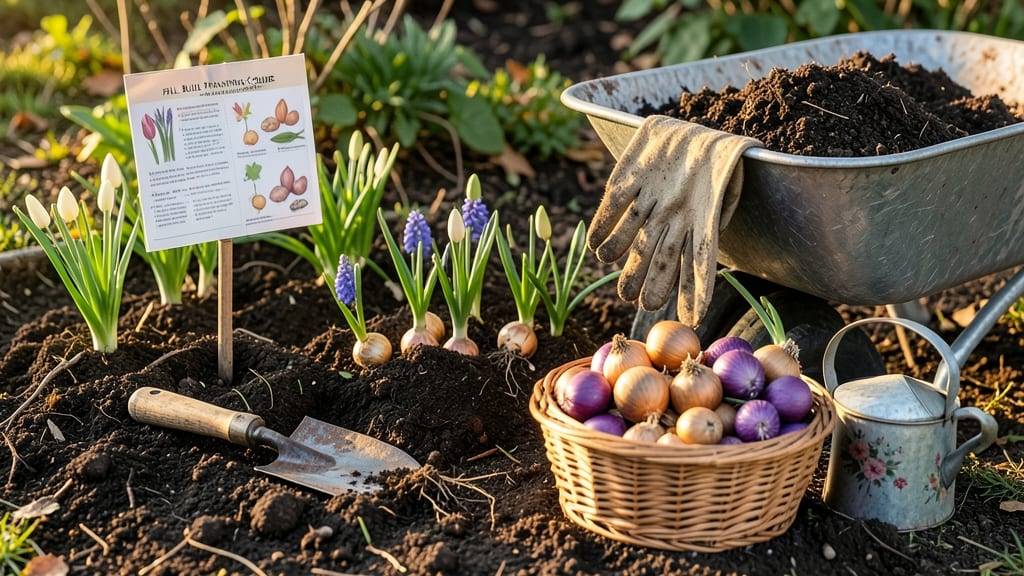
Planting your 🌱 bulbs (General) at the wrong time in fall could mean waiting another year for those cheerful spring blooms—or worse, losing them entirely.
The secret to success isn’t just digging a hole; it’s knowing exactly when to put those dormant treasures in the ground so they’ll thrive through winter and burst into color next spring.
For USDA Zone 6a, the ideal window is 6-8 weeks before your first frost, which typically lands in late September or early October. But here’s the catch: rushing too early or waiting too late can throw off the whole process.
I’ll break down the exact timing, soil prep, and care tips to ensure your bulbs—whether they’re tulips, daffodils, or crocuses—get off to the best start for perfect blooms.
Why does timing matter so much? Bulbs need time to develop strong roots before the ground freezes, but planting them too soon can lead to rot.
I’ll show you how to read your local climate cues and adjust your schedule—so you’re not left guessing whether your garden will shine next spring or stay bare.
Let’s dive into the science and practical steps to make this fall’s planting your most successful yet. You’ll learn how to prep your soil, choose the right bulbs for your zone, and avoid common mistakes that sabotage even the most well-intentioned gardeners.
The ideal fall planting window: exact weeks before frost for bulb success
Planting bulbs in the fall is all about timing—too early, and they’ll rot; too late, and they won’t establish roots before winter. The golden window is 6-8 weeks before your first frost date, when soil temperatures drop to 60°F (15°C) but haven’t frozen yet.
This gives bulbs time to root deeply without sprouting too soon.
For most of the U.S., this means mid-September to early October in cooler northern zones (3-6), while southern regions (7-10) can plant until late November. Check your local USDA Plant Hardiness Zone for precise dates—colder zones need earlier planting to avoid winter stress.
Why this timing? Bulbs need 4-6 weeks of root growth before the ground freezes. If planted too late, they’ll stay dormant and may not bloom next spring. Conversely, planting too early (like July) risks premature sprouting and rot in warm soil.
Here’s how to find your exact planting window: Subtract 6-8 weeks from your average first frost date. For example, if frost hits November 15, aim for September 20-October 5. Use tools like the National Weather Service frost calendar or local garden extension offices for hyper-local advice.
| USDA Zone | Ideal Planting Window | Soil Temp Goal | Bulb Examples |
|---|---|---|---|
| 3-5 (Cold) | Mid-September | 50-60°F (10-15°C) | Daffodils, Crocus, Allium |
| 6-7 (Temperate) | Late September-October | 55-65°F (13-18°C) | Tulips, Hyacinths, Snowdrops |
| 8-10 (Mild) | October-November | 60-70°F (15-21°C) | Lilies, Fritillaria, Rain Lilies |
Pro tip: Use a soil thermometer to confirm temps. Bulbs like tulips need cooler soil (50-60°F), while daffodils tolerate slightly warmer conditions (55-65°F). If your soil is still too warm, wait 1-2 weeks or plant in shaded beds to cool the ground faster.
For potted bulbs, the rules shift slightly. Plant them 4-6 weeks before your frost date but move containers to a garage or cold frame once soil temps drop below 50°F (10°C). This protects roots while allowing them to root before winter.
Regional tweaks matter! In Zone 9-10, where winters are mild, plant late October-December to avoid summer heat stress. Meanwhile, Zone 3-4 gardeners should plant by mid-September to ensure roots establish before hard frosts hit.
Don’t stress if your timing is off by a week or two. Bulbs are resilient! Just ensure they’re planted before the ground freezes. If you’re unsure, opt for cold-hardy varieties like daffodils or snowdrops, which tolerate later planting better than tulips.
Next, we’ll cover how to adjust for early vs late fall conditions, including soil tests and troubleshooting for wet or cold soil. Stay tuned!
The ideal fall planting window: exact weeks before frost for bulb success
Fall bulb planting is all about timing. Most gardeners aim for 6-8 weeks before the first frost, but this varies by USDA zone and bulb type. In Zone 5, that’s typically mid-September to early October, while Zone 8 gardeners can plant until late November.
The key is ensuring bulbs establish roots before the ground freezes.
For tulips and hyacinths, which need 8-10 weeks to root, early planting is critical. Daffodils and crocuses, however, are more flexible with 6-8 weeks before frost.
Always check your local frost dates—a quick online calculator can save you guesswork. I use the Old Farmer’s Almanac for my Zone 6 garden.
| USDA Zone | Ideal Planting Window | Soil Temp Goal | Bulb Types |
|---|---|---|---|
| Zones 3-4 | Mid-August to mid-September | 50-60°F | Tulips, Hyacinths |
| Zones 5-6 | Mid-September to early October | 55-65°F | Daffodils, Crocuses, Alliums |
| Zones 7-8 | October to November | 60-70°F | All bulbs (extended window) |
| Zones 9-10 | November to early December | 65-75°F | Tropical bulbs (e.g., Rain Lilies) |
Soil temperature is just as important as frost dates. Bulbs need soil temps between 50-65°F to root properly. Use a soil thermometer to check—if it’s below 50°F, wait a week or two.
In my garden, I’ve seen tulips planted too early in cool, wet soil rot before sprouting. Always aim for warm but not hot soil.
Another pro tip: Plant in dry soil if possible. Wet conditions can cause bulbs to rot before they establish roots. I’ve found that late September often gives me the perfect balance of warm soil and dry conditions in my Zone 6 garden.
If rain is forecasted, hold off until the ground dries out slightly.
For container gardening, the rules shift slightly. Potted bulbs can handle cooler soil since containers warm up faster. I plant mine 4-6 weeks before frost regardless of zone, using well-draining mix to prevent soggy roots. Just move pots to a protected spot before winter freezes set in.
Finally, remember that bulb size matters. Larger bulbs (like 12-inch daffodils) need 8-10 weeks to root, while smaller crocus corms can handle 4-6 weeks. Always check the packaging guidelines—they’re your best friend for zone-specific timing.