
Trees
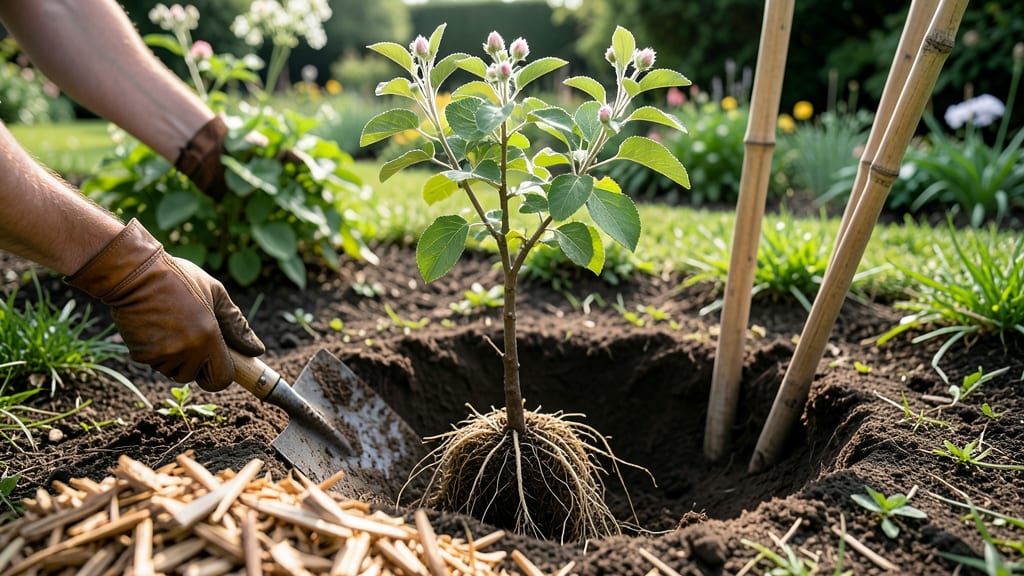
Planting an apple tree 🍎 in Alabama isn’t just about digging a hole—it’s about timing it right to beat the heat and ensure those chill-hour needs are met.
If you wait too late, your tree might struggle with heat stress or poor fruit production, leaving you with empty branches instead of juicy harvests.
Alabama’s climate zones 7a-8b demand a careful balance: plant too early, and frost could damage tender roots; too late, and your tree may not establish strong roots before summer’s sweltering heat. The secret? Late winter to early spring—when the soil is workable but the last frost hasn’t yet arrived.
In this guide, I’ll walk you through the best months to plant, which heat-resistant varieties like ‘Dorsett Golden’ thrive in your area, and how to prep your soil for success.
Whether you’re a first-time gardener or a seasoned orchard keeper, these tips will help you grow a tree that’s ready to bear fruit in just a few years.
Let’s get your apple tree 🍎 off to the right start—because the best time to plant was yesterday, but the second-best time is now!
Best planting months for apple trees in Alabama’s climate zones
Alabama’s unique USDA Zones 7b-8a and humid subtropical climate demand precise timing for planting apple trees. Unlike northern states, Alabama’s warmer winters and long growing seasons require varieties with low chill-hour requirements (300-900 hours).
Planting outside the ideal window can lead to poor fruit set or heat stress during flowering.
For bare-root trees, the best time is late winter to early spring (February-March), before buds break but after the last frost date (typically mid-March).
This timing ensures roots establish before summer heat arrives. Container-grown trees offer more flexibility and can be planted year-round, but spring remains optimal for root development.
In Zone 7b (northern Alabama), aim for February 15-March 15 to avoid late frosts. In Zone 8a (southern Alabama), extend planting to March 1-April 15 to account for earlier warming. Both zones benefit from cool-season planting to minimize transplant shock during Alabama’s intense summers.
Why timing matters: Alabama’s high summer humidity and occasional late frosts can devastate young trees. Planting too early risks frost damage to new growth, while planting too late delays root establishment. The ideal window balances these risks by aligning with natural dormancy cycles.
🌱Pro Tip: Check your local Alabama Cooperative Extension Service frost maps for precise dates. Some microclimates (like mountain regions) may have 2-4 weeks earlier last frost dates than coastal areas.
| Zone & Region | Best Planting Window | Chill Hours Needed | Key Consideration |
|---|---|---|---|
| Zone 7b (North AL) | Feb 15 - Mar 15 | 500-700 hours | Higher frost risk; avoid late frosts |
| Zone 8a (Central AL) | Mar 1 - Apr 15 | 300-500 hours | Warmer winters; prioritize low-chill varieties |
| Zone 8a (South AL) | Mar 15 - Apr 30 | 200-400 hours | Longest growing season; heat tolerance critical |
| All Zones (Container Trees) | Year-round (best in spring) | Varies by variety | Flexible timing but spring preferred |
Alabama’s microclimates create significant variation in planting success. For example, mountain regions (like Huntsville) may experience 100+ chill hours more than coastal areas (like Mobile). Use this variation to your advantage by selecting low-chill varieties for warmer zones and moderate-chill varieties for cooler microclimates.
🌡️Heat Stress Warning: Planting in late spring or summer risks transplant shock and heat stress. Young trees struggle to establish roots in Alabama’s 90°F+ temperatures, leading to poor growth. If you must plant in summer, use shade cloth and daily watering for the first 30 days.
After planting, focus on soil moisture and mulch application to protect roots. In Alabama’s clay-heavy soils, amend planting holes with compost or sand to improve drainage. This preparation helps trees withstand the intense summer heat and humidity that define Alabama’s growing season.
For container-grown trees, spring planting (March-April) remains ideal despite year-round flexibility. Container roots can dry out quickly in Alabama’s hot, dry spells, so water deeply every 2-3 days until roots establish.
Mature container trees (3+ years) handle summer planting better but still require extra care during the first growing season.
💡Local Expert Tip: Contact your county extension office for soil tests and site-specific advice. Alabama’s variable rainfall patterns (from 50" in north to 60"+ in south) affect planting success. Adjust watering schedules based on your region’s average annual precipitation to avoid over- or under-watering.
Best planting months for apple trees in Alabama’s climate zones
Alabama’s USDA Zones 7b-8a demand precise timing for apple trees, where chill hours (300-900) and heat tolerance are critical. Planting too early risks winter dieback, while late planting may delay fruit production. The ideal window is late winter to early spring—just as buds swell but before leaves emerge.
For northern Alabama (Zone 7b), aim for February to early March when soil thaws but frost risks linger. In central/southern Alabama (Zone 8a), extend the window to March through April to avoid summer heat stress.
Bare-root trees thrive best in this period, while container-grown trees can be planted year-round but flourish in spring.
⚠️ CRITICAL: Avoid planting in fall unless you’re in Zone 7b with mild winters. Late fall plantings risk root exposure before dormancy sets in, leading to poor establishment.
🌱 Alabama Apple Tree Planting Timeline
| Zone | Best Month | Chill Hours | Key Consideration |
|---|---|---|---|
| 7b (North) | February–Early March | 600–900 | Frost risk; plant after last frost date |
| 8a (South) | March–April | 300–600 | Heat stress risk; avoid summer planting |
If you miss the spring window, fall planting (October–November) is a second-best option for Zone 7b, but only for dwarf or semi-dwarf varieties. Water deeply post-planting to encourage root growth before winter dormancy.
For Zone 8a, fall planting is risky due to mild winters—roots may not harden enough.
Pro tip: Use mulch (3–4 inches) after planting to retain moisture and regulate soil temperature. This is especially vital in Alabama’s hot summers, where mulch reduces water loss by up to 70%. Pair this with drip irrigation for consistent moisture during the critical first year.
For container-grown trees, plant anytime except in extreme heat (above 90°F). Amend the soil with compost and sand to improve drainage—a must in Alabama’s clay-heavy soils. Container trees also adapt better to urban microclimates, like heat islands near pavement.
Timing isn’t just about the calendar—it’s about chill hours. Alabama’s short chill seasons mean traditional varieties like Granny Smith (1,000+ hours) won’t thrive. Opt for low-chill varieties (300–600 hours) like Dorsett Golden or Anna to ensure blooming and fruiting.