
Plants
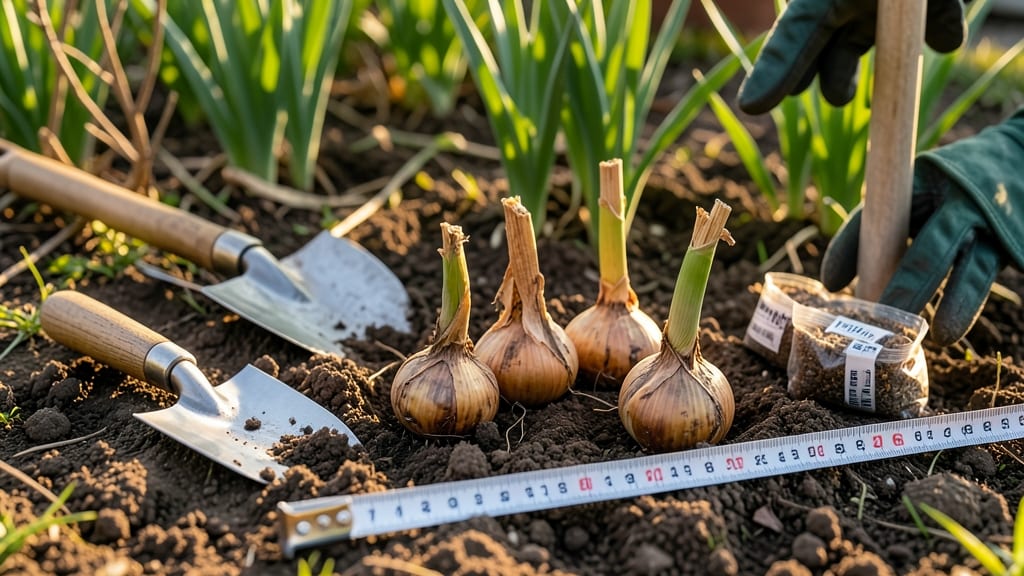
Planting daffodil bulbs at the right time in Maryland means the difference between cheerful spring blooms and wasted effort. The 6b-7a zone gives you a narrow window—typically between October and November—when soil cools but hasn’t frozen solid.
Why does timing matter so much? Daffodils need 4-6 weeks of chilly soil to establish roots before winter sets in. Plant too early, and they’ll rot; too late, and they won’t bloom before summer’s heat. Maryland’s unpredictable frost dates (usually mid-November) add another layer of challenge.
In this guide, I’ll break down exactly when to plant in your specific area, whether you’re in Baltimore’s Zone 6a or Frederick’s Zone 7a. You’ll also learn how to prep soil, choose the right depth, and protect your bulbs from Maryland’s variable weather.
By the end, you’ll know the exact steps to ensure your 🌼 daffodils thrive—no guesswork, just vibrant spring color year after year.
Maryland’s ideal daffodil planting window by hardiness Zone (6a vs 7a)
Maryland’s USDA Zones 6a and 7a create distinct planting windows for daffodils. In Zone 6a (colder regions like Frederick), aim for mid-October to early November—4-6 weeks before the average first frost (typically mid-November).
Zone 7a (warmer areas like Annapolis) extends your window to late October through mid-November, giving you extra flexibility.
Daffodil bulbs need 40–50°F soil temperatures to root before winter dormancy. Planting too early risks rot in warm soil, while late planting may prevent root establishment before frost.
Use Maryland’s last frost averages as your guide: Baltimore averages November 15, while Western Maryland can see frost as early as November 1.
For reliable blooms next spring, align your planting with Maryland’s historical frost data. Check your local first frost date (via Old Farmer’s Almanac or Maryland Climate Hub) and count backward 6 weeks.
Urban areas like Baltimore often experience earlier frosts than rural zones due to the heat island effect.
Here’s how Maryland’s microclimates impact timing:
| Zone | Ideal Planting Window | Soil Temp Threshold | Local Examples | Spring Bloom Risk |
|---|---|---|---|---|
| 6a | Mid-October – Early November | 40–45°F | Frederick, Hagerstown | Higher (shorter growing season) |
| 7a | Late October – Mid-November | 45–50°F | Annapolis, Baltimore | Lower (longer season) |
Note: Adjust 1–2 weeks earlier for elevated gardens or sandy soil.
While fall planting is ideal, Maryland gardeners in Zone 7a can also plant daffodils in early spring (February–March) if fall planting is missed. However, spring-planted bulbs may bloom later or produce fewer flowers the first year.
For container gardening, extend your window by planting in late fall (December) or even early spring—just ensure pots drain well.
Pro tip: Test your soil temperature with a soil thermometer (aim for 50°F or below) before planting. In Zone 6a, this often means waiting until late October even if the air feels crisp.
Use mulch (2–3 inches) after planting to insulate bulbs and protect them from freeze-thaw cycles.
For reliable blooms, pair your planting with well-draining soil—Maryland’s clay-heavy soils (common in Eastern regions) can trap moisture, leading to bulb rot. Amend with compost or sand if your soil feels dense. Plant bulbs 6 inches deep and 4–6 inches apart for optimal airflow.
Remember: Daffodils are deer-resistant, making them a smart choice for Maryland gardens where deer browsing is common. Their toxic sap deters herbivores while adding early spring color before other perennials emerge.
🌼
5 Critical factors that determine your planting timeline in Maryland
Maryland’s fall temperatures and soil conditions aren’t the only factors—your location’s microclimate and even your bulb storage habits play a huge role. In Zone 6a (western Maryland), colder nights arrive earlier than in Zone 7a (eastern coast), shifting your window by weeks.
Let’s break down the 5 key variables that dictate when you should plant.
First, soil temperature is your golden rule: daffodil bulbs need 40–50°F soil to root without rotting. Use a soil thermometer to check—if it’s below 50°F, wait.
In Baltimore, this typically happens by mid-October, while Frederick may need to wait until early November. Urban areas (like Annapolis) often stay warmer longer due to heat islands, giving you extra time.
Bulb dormancy is another game-changer. If you’ve stored bulbs in a cool, dry place (like a basement), they’re ready to plant as soon as soil temps drop. But if they’ve been sitting in a warm garage, give them 2–4 weeks of cooling before planting to mimic natural conditions. Pro tip: Chill bulbs in the fridge’s crisper drawer for 4–6 weeks if you’re planting late.
Your garden’s drainage also affects timing. In clay-heavy soil (common in western MD), plant earlier to let excess water evaporate before winter. Amend with compost or sand to improve drainage if needed.
Conversely, sandy soils (like those in coastal areas) dry out faster, so you can plant later without risking dehydration.
Container gardening extends your window significantly. Potted daffodils can be planted 4–6 weeks later than in-ground bulbs because containers warm up faster in spring. Just ensure pots have drainage holes and use a lightweight potting mix. This is a lifesaver for balcony gardeners or those with poor soil.
Finally, local weather forecasts are your best friend. Check for early frost warnings—if a 28°F freeze is predicted within 3 weeks, plant immediately. Use the National Weather Service’s frost calendar for your county, or ask your local Cooperative Extension office for hyper-local advice.
In Zone 7a, you might even squeeze in a December planting if soil stays workable.
Ready to check your own timeline? Grab a soil thermometer, note your last frost date, and adjust for your microclimate. The sweet spot is 4–6 weeks before hard frost, but these factors let you fine-tune to your yard’s unique rhythm. 🌱