
Plants
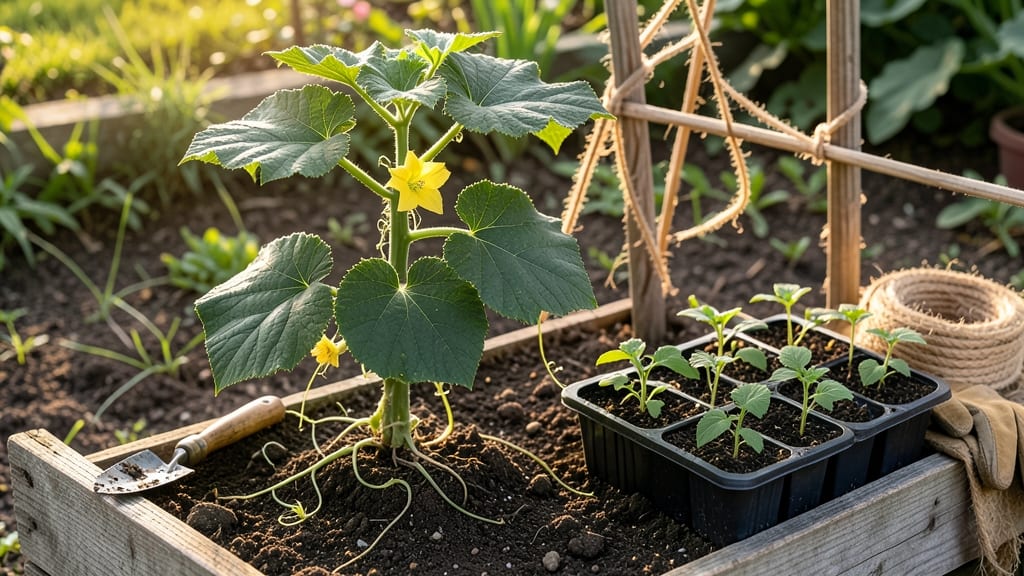
Timing your cucumber planting in Zone 7b could mean the difference between a bumper harvest and wasted effort—because those crisp, fresh 🥒 need just the right conditions to thrive.
The last thing you want is to rush planting before the soil warms up or wait too long and miss peak growing season. I’ve learned the hard way that getting these dates right is the key to avoiding frost damage while maximizing your yield.
For Zone 7b gardeners, the ideal window opens around mid-April and stretches through early June, but there’s more to it than just picking a date. Soil temperature plays a bigger role than you might think—cucumbers need that ground to hit at least 60°F before seeds go in.
And if you’re starting indoors, you’ll need to time your transplants perfectly to avoid shocking young plants when they hit the garden.
What if you miss the early window? Don’t panic—there are smart ways to extend your season, like choosing heat-tolerant varieties or using row covers to protect tender seedlings.
I’ll walk you through the exact steps to get your cucumbers in the ground at the perfect moment, whether you’re a first-time gardener or a seasoned pro looking to fine-tune your timing.
By the end of this, you’ll know not just when to plant cucumbers in Zone 7b, but how to set yourself up for a harvest that’ll make your neighbors jealous. Let’s get those seeds in the ground the right way.
Optimal planting dates for cucumbers in Zone 7B (with frost risk analysis)
Timing your cucumber planting in Zone 7B means balancing frost risk with soil warmth. The last average frost date here is around March 15, but cucumbers won’t thrive until soil hits 55°F+.
My rule? Wait until mid-April at the earliest for direct sowing, or start indoor seedlings 3-4 weeks before your target transplant date.
Zone 7B’s growing season spans roughly 180 frost-free days, giving you flexibility. However, planting too early risks cold soil, which delays germination. Too late, and you’ll miss peak harvests. Let’s break down the exact windows and critical thresholds to maximize your cucumber yield.
| Stage | Action | Critical Note |
|---|---|---|
| Soil Prep | Test soil pH (6.0–6.8) | Use lime to raise pH if needed |
| Direct Sowing | April 15–May 15 | Soil must be 60°F+ |
| Transplant Seedlings | May 1–June 1 | Hardy after last frost |
| Late Backup | June 15 (bush varieties) | Use heat-tolerant types |
| Harvest Window | June–September | Pick every 2–3 days |
For direct sowing, aim for April 15–May 15 when soil temperatures consistently stay above 60°F.
I test this by burying a soil thermometer 2 inches deep—if it reads below 55°F, wait. Transplanting seedlings gives you a head start; start them indoors 3–4 weeks before your target outdoor date (around mid-April).
If you miss the primary window, don’t panic! Bush cucumber varieties (like ‘Bush Champion’) tolerate heat better and can handle a late-June planting. Just choose disease-resistant types and mulch heavily to retain moisture during summer’s peak.
Pro tip: Use black plastic mulch to warm soil faster. It also suppresses weeds and keeps cucumbers off damp soil, reducing fungal diseases. I’ve seen a 10-day faster germination with this trick in Zone 7B!
Monitor your local microclimate—low spots stay colder longer. If your garden is in a frost pocket, push planting back 1–2 weeks or use row covers for early starts. Always check your extended forecast for late frosts, even in Zone 7B.
Remember: Cucumbers grow fastest when soil temps are between 70–90°F. If your summer hits 95°F+, provide afternoon shade to prevent blossom drop. A simple shade cloth can save your crop during heatwaves.
For succession planting, sow a second batch every 2 weeks until June 15. This stretches your harvest into early fall, giving you cucumbers when other gardeners are packing up. Just avoid planting after July 15—vines won’t mature before frost.
Track your progress with a planting journal. Note soil temps, germination rates, and harvest dates. Over time, you’ll refine your Zone 7B schedule perfectly. My first year, I planted too early and lost seedlings to frost—now I wait for consistent 60°F soil and never look back!
How to extend your cucumber season in Zone 7B (succession planting & variety tips)
Zone 7B’s short growing season (about 180 frost-free days) means timing matters—especially for cucumbers that need 60–75 days to mature. The key? Staggered plantings and heat-tolerant varieties to squeeze every last harvest out of summer.
Start by planting your first batch right after the last frost date (around April 15) for early cucumbers. Then, repeat every 2 weeks until June 1 to keep the harvest rolling. This succession planting trick ensures you’re always picking fresh cucumbers instead of facing a glut all at once.
For late-season success, choose heat-resistant varieties like 'Straight Eight' (classic slicing cucumber) or 'Lemon Cucumber' (sweet and crisp). These varieties thrive in Zone 7B’s summer heat (often 90°F+) and produce well even when other plants wilt.
🌱 3 Pro Tips to Extend Your Cucumber Season
- 1. Use row covers in early spring or late summer to protect plants from light frosts or heat stress.
- 2. Plant bush varieties (like 'Bush Champion') to save space and reduce trellis needs.
- 3. Mulch heavily with straw to retain moisture and keep roots cool during heatwaves.
If you’re ambitious, try a second late planting in early July using fast-maturing varieties (like 'Early Green', which matures in 50 days). With row covers or a cold frame, you might even coax a few more cucumbers by early October.
Don’t forget to harvest regularly—picking cucumbers every 2–3 days encourages more production. Let a few cucumbers overripen on the vine (they’ll turn yellow) to save seeds for next year if you’re feeling adventurous!
With these strategies, you can turn Zone 7B’s limited season into a continuous cucumber feast from June through September—or even later with a little extra care. 🌿