
Plants
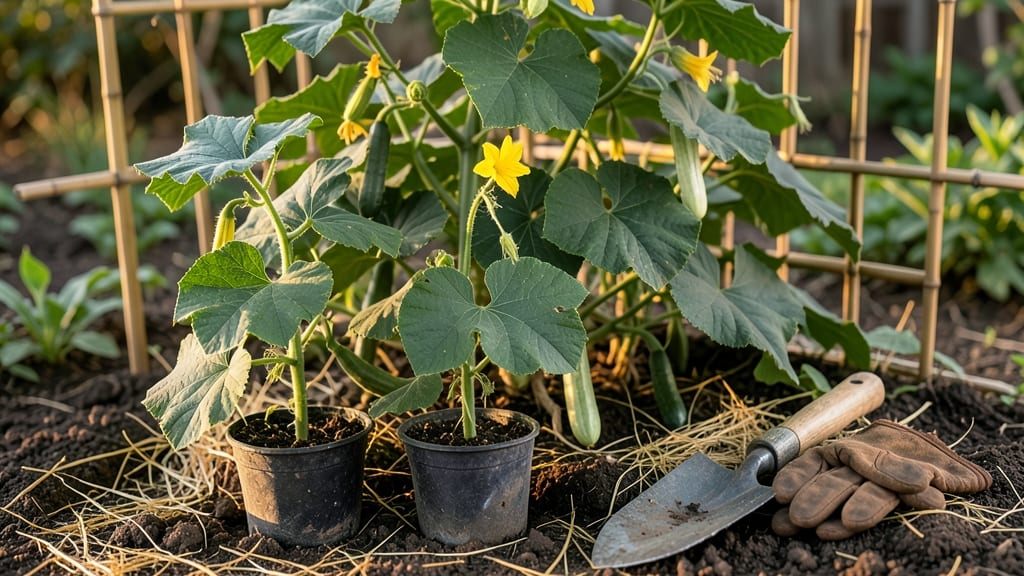
Planting cucumbers in Zone 9b at the wrong time means wilting vines and bitter fruit before you even get a harvest—but getting the timing right can turn your garden into a 🥒 powerhouse.
Unlike cooler climates, Zone 9b’s scorching summers demand a different approach: planting too early risks heat stress, while waiting too long cuts your growing season short.
Here’s the secret: the best window for cucumbers in Zone 9b is actually late winter to early spring, when soil warms to 60°F but before temperatures soar past 90°F.
This gives your plants a head start before the real heat arrives, and it’s when I’ve seen the most consistent yields in Phoenix and Southern California deserts.
But what if you want a second harvest? You can also plant heat-resistant varieties in late summer to escape the worst of the heat and enjoy fall cucumbers.
I’ll show you exactly which varieties handle Zone 9b’s climate best—and how to keep them thriving even when the thermometer hits triple digits.
Ready to grow cucumbers that don’t bolt or bitter? Let’s dive into the exact planting dates, soil prep tricks, and shade strategies that make all the difference in this challenging zone.
Best planting dates for cucumbers in Zone 9B: avoiding heat stress
Zone 9B’s long, scorching summers make cucumber planting a delicate balance—too early, and seedlings bolt; too late, and vines wilt under 100°F+ heat. The key is timing seeds or transplants when daytime temps hover between 70-85°F and nighttime temps stay above 60°F.
This window typically opens in late winter to early spring, but there’s a second chance in late summer for a fall harvest.
For direct sowing, aim for February to early March when soil temperatures reach 60°F. Transplants can go in slightly later, around mid-March, once the risk of heat stress drops.
If you miss spring, late August to early September offers a second planting window—just be prepared to provide afternoon shade to protect young plants.
Here’s the exact timeline you need to avoid common pitfalls like bitter fruit or stunted growth:
- 🌱 Late February - Early March: Direct sow seeds when soil is 60°F+ and nighttime temps stay above 60°F. Use black plastic mulch to warm soil faster.
- 🌿 Mid-March - Early April: Transplant seedlings if starting indoors. Harden off plants for 7-10 days before moving outside.
- ☀️ May - June: Provide 30-50% shade cloth during peak afternoon heat (2 PM - 5 PM) to prevent bolting or sunburn.
- 🌅 Late August - Early September: Second planting window for fall harvests. Choose heat-tolerant varieties like 'Straight Eight' or 'Lemon Cucumber'.
- 🍂 October - November: Harvest before first frost (rare in Zone 9B, but temps can dip below 50°F at night).
Why does timing matter so much in Zone 9B? Cucumbers are heat-sensitive—they bolt (flower prematurely) when stressed by high daytime temps or drought conditions. Planting too early in January risks cold snaps, while waiting until May often means vines struggle to establish before summer’s intensity peaks.
The 45-50 day window between planting and harvest is tight, so precision is critical.
Pro tip: Use a soil thermometer to confirm readiness—seeds need consistent 70-90°F soil temps to germinate reliably. If your soil runs cooler (common in desert zones with rapid heat loss at night), opt for black plastic mulch or row covers to accelerate warming.
For container growers, start seeds 4-6 weeks before your target planting date (e.g., early January for spring) in biodegradable pots. This gives seedlings a head start and reduces transplant shock. Just ensure containers are at least 12 inches deep—cucumbers have long taproots that need space.
One mistake I see often is overcrowding seedlings in hopes of a bigger harvest. In Zone 9B’s heat, spread vines 3-4 feet apart (or use trellises to save space).
Overcrowding leads to poor airflow, inviting powdery mildew—a common fungal issue in humid summers. Thin seedlings to the strongest 2-3 plants per hill for optimal yields.
Finally, consider succession planting every 2-3 weeks through April to stagger harvests. This ensures a steady supply of fresh cucumbers instead of one overwhelming 6-week glut. Pair this with drip irrigation to keep soil evenly moist—never let cucumber plants wilt, even briefly, or fruit turns bitter.
Best planting dates for cucumbers in Zone 9B: avoiding heat stress
Zone 9B’s year-round warmth means cucumbers can grow almost anytime—but timing matters to avoid heat stress and bitter fruit. The best window is late winter to early spring (February–March) when soil warms to 60°F+. This gives vines time to establish before summer’s peak heat arrives.
For a fall harvest, plant again in late summer (August–September). This second planting escapes the worst heat and produces fruit before winter chill sets in. Just avoid planting in June–July when temperatures often exceed 100°F, causing vines to bolt or fruit to become seedy.
Direct sow seeds ½-inch deep, spacing them 12–24 inches apart (check your variety’s needs). If starting transplants, harden them off for 5–7 days before moving to the garden. Zone 9B’s low humidity and intense sun mean cucumbers need extra care—especially during April–May when temps climb quickly.
Pro tip: Monitor soil moisture daily in summer. Let the top 1–2 inches dry between waterings, but never let roots bake. Drip irrigation or soaker hoses work best to keep leaves dry and prevent powdery mildew, a common Zone 9B issue.
For container growers, choose bush varieties and plant in 5-gallon pots with well-draining mix. Containers heat up faster, so move them to shadier spots during 11 AM–3 PM in peak summer. Mulch heavily with straw or wood chips to retain moisture and cool roots.
Remember: Harvest frequency is key! Pick cucumbers every 2–3 days to encourage more production. Left on the vine, they’ll turn yellow and seedy—a sure sign your plant is slowing down for the season.