
Plants
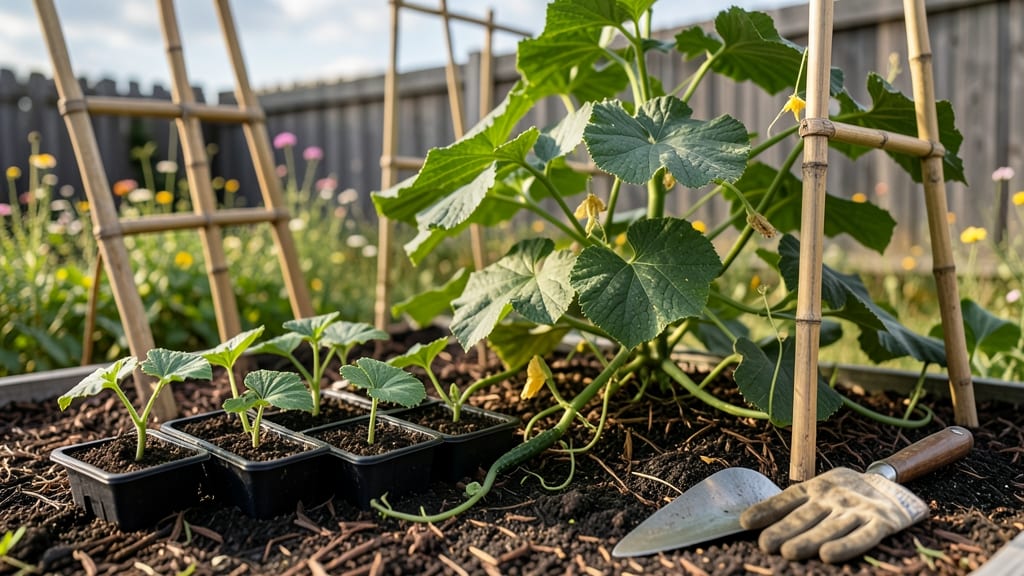
Timing cucumber 🥒 planting in Zone 6 wrong can turn your garden dreams into a soggy mess—because those seeds need warm soil to germinate, and rushing it means waiting weeks for sprouts (or none at all).
Most gardeners in Zone 6 wait until after the last frost, but that’s only half the battle. The real magic happens when soil hits 50-60°F—too cold, and your seeds play the waiting game.
I’ll show you exactly when to plant for fast germination and how to adjust for your specific corner of Zone 6, whether you’re in the cooler northern edge or the slightly warmer southern stretch.
You’ll also discover the best methods for direct sowing vs. transplants, plus pro tips to extend your harvest window. No more guessing—just a clear, actionable timeline to get your cucumbers growing strong and fast.
Ready to skip the trial-and-error? Let’s dive into the soil temperature secrets that’ll have your cucumbers thriving by midsummer.
Zone 6 cucumber planting timeline: exact dates based on soil temperature
Cucumbers in Zone 6 demand precision timing—plant too early, and your seeds rot; too late, and you miss the harvest window. The key is tracking soil temperature, not just air temperature. My rule of thumb?
Wait until soil reaches a steady 50°F (10°C) for germination, but aim for 60°F (15°C) or warmer for reliable, fast sprouts. In most of Zone 6, this typically lands in mid-to-late May, but your exact dates depend on your sub-region.
For northern Zone 6 (e.g., Chicago, IL or Burlington, VT), last frosts often hit May 15-20, so I wait until June 1 to plant outdoors. Southern Zone 6 (e.g., Lexington, KY or Pittsburgh, PA) can start 2-3 weeks earlier—around mid-May—thanks to warmer microclimates.
Always check your local USDA Plant Hardiness Zone Map for precise adjustments.
🌱 Zone 6 Cucumber Planting Timeline
| Stage | Soil Temp | Action | Zone 6 Timeline |
|---|---|---|---|
| Prep Soil | N/A | Add compost | Early April |
| Start Indoors | 60°F+ | Sow seeds | Late April (with grow lights) |
| Transplant | 55°F+ | Hardened-off seedlings | Mid-May (northern) / Early May (southern) |
| Direct Sow | 60°F+ | Plant seeds 1" deep | Late May - Early June |
| Harvest Window | N/A | Pick regularly | July - September |
Pro tip: Use a soil thermometer for 3-5 days to confirm temperatures. I bury it 2 inches deep (where seeds will be) and check readings at 10 AM. If it dips below 50°F (10°C) at night, delay planting—cucumber seeds need consistent warmth to germinate.
In my garden, soil hits 60°F (15°C) reliably by May 25, which is my go-to date for direct sowing.
For extended harvests, consider a second planting in early July. Choose fast-maturing varieties (under 55 days) to ensure cucumbers ripen before your first frost, which typically arrives in Zone 6 between October 15-30.
I’ve had success with 'Bush Champion' in containers, which I move indoors under grow lights when temperatures drop.
Remember: Row covers can push your planting window back by 2-3 weeks. I use them to start seeds in 50°F (10°C) soil, then remove them once seedlings emerge.
This trick works especially well for northern Zone 6 gardeners who face cooler springs. Just ensure the fabric doesn’t touch the plants to avoid disease risk.
If you’re in Zone 6a (cooler end), prioritize cool-tolerant varieties like 'Northern Pickling' and plant after Memorial Day. For Zone 6b (warmer end), you can start as early as mid-May with black plastic mulch to warm the soil faster.
The goal? Get those seeds in the ground when soil is consistently 60°F+—any earlier, and you’re gambling with germination.
For container growing, use black pots to absorb heat and plant in late May. I’ve seen 30% faster germination in black containers versus standard terracotta. Just ensure your pots have drainage holes and are at least 12 inches deep—cucumbers need room for roots to spread.
Place containers in full sun (6+ hours daily) and water consistently to prevent soil temperature swings.
5 Critical factors that determine your exact planting window in Zone 6
Zone 6 gardeners face a tight window for planting cucumbers—just a few weeks can make the difference between thriving vines and failed germination. The soil temperature is your first clue: cucumbers need at least 50°F (10°C) for germination, but 60°F (15°C) or warmer ensures faster, stronger growth.
My soil thermometer reads 55°F (13°C) in early May, so I wait until late May when it hits 60°F (15°C) consistently.
Next, consider your cucumber variety. Warm-season types like 'Straight Eight' or 'Marketmore' thrive in Zone 6's heat, while cool-tolerant varieties like 'Northern Pickling' can handle slightly earlier starts.
I always check seed packets for days to maturity—anything under 60 days gives me a better chance to harvest before fall frosts arrive in October.
🌱 Cucumber Variety Quick Guide for Zone 6
| Variety | Days to Maturity | Best Planting Window |
|---|---|---|
| Straight Eight | 60-70 days | Late May - Early June |
| Northern Pickling | 50-55 days | Early May (with row cover) |
| Lemon Cucumber | 65-70 days | Mid-May (warmed soil) |
Your microclimate plays a huge role too. South-facing beds warm up faster than north-facing ones, and urban areas often stay 5-10°F warmer than rural spots.
I test my garden's warmth by placing a thermometer at soil level for 3 days—if it hovers above 60°F (15°C) by 10 AM, it's safe to plant. Elevated beds or black plastic mulch can add 2-4°F extra warmth if you're in a hurry.
Don't overlook row covers as your secret weapon. Lightweight fabric can push your planting window back by 2-3 weeks by trapping heat. I use them to start seeds indoors in late April, then transplant hardened-off seedlings when soil reaches 55°F (13°C).
For direct sowing, covers create a mini greenhouse effect that helps seeds germinate in cooler 50-55°F (10-13°C) soil.
Finally, account for your last frost date—Zone 6 ranges from April 15 to May 15 depending on location. Add 75-90 days to your last frost date to find your harvest window.
In my area (central Ohio), that means planting by June 1 ensures harvests before our first October 15 frost. For late-season varieties, I extend the season with cold frames or move potted plants indoors.