
Plants
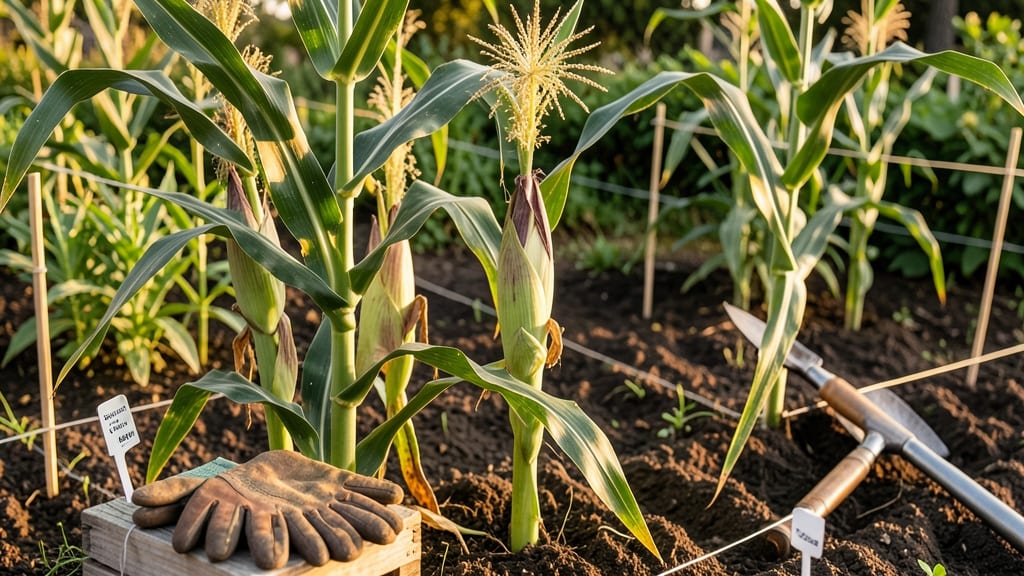
Planting corn in Zone 9b feels like playing a high-stakes game of timing—get it wrong, and you're left with wilted stalks and empty husks instead of sweet, plump ears.
The key to success isn't just knowing when to plant, but understanding how to escape the brutal summer heat that can turn your garden into a corn desert.
Unlike cooler climates, Zone 9b gardeners like those in Phoenix or the Southern California desert don't have to worry about frost, but they do face a different challenge: soil that stays too hot for tender corn seedlings.
The ideal window opens in late February to early March, when temperatures are rising but haven't yet peaked. This gives your 🌽 plants enough time to mature before the real heat sets in.
Here's what you need to know: planting too early risks stunted growth from cool soil, while waiting too long means your crop will struggle under the midday sun.
I'll walk you through the exact steps to time your planting for maximum yield, including soil temperature tricks and heat-tolerant varieties that thrive in Zone 9b's intense conditions.
Ready to grow corn that actually survives the summer? Let's dive into the strategies that will keep your plants happy, healthy, and producing ears until harvest time—without turning your garden into a sad, sun-scorched memory.
Optimal planting windows for corn in Zone 9b heat zones
In Zone 9b, where summer temperatures can soar past 100°F, planting corn at the wrong time means watching your crop wilt before it even forms ears.
The key is to plant when soil temperatures hover between 60-85°F—hot enough for rapid germination but not so hot that seedlings bolt. This usually lands in late winter to early spring, giving plants time to mature before the brutal heat sets in.
Unlike cooler climates, Zone 9b gardeners don’t need to worry about frost—our biggest enemy is heat stress. Corn thrives when daytime highs are in the 75-85°F range, but once temperatures climb above 90°F for extended periods, pollination fails and ears shrink.
That’s why timing is everything: plant too early, and you risk stunted growth; too late, and you’ll miss the harvest window entirely.
Soil temperature is your best guide. Use a soil thermometer to confirm readings of at least 60°F before planting. In Phoenix or desert regions, this often means waiting until mid-February to March. Coastal areas like Southern California may see cooler soils, allowing for slightly earlier plantings in late January to February. Always check local microclimates—valleys heat up faster than hillsides.
Here’s the golden rule for Zone 9b corn planting: aim to harvest before June 1st. This ensures ears develop in cooler spring temperatures, avoiding the kernel abortion that happens when plants struggle under summer heat.
For example, if you plant Peaches and Cream (a 75-day variety) in late February, you’ll harvest in early May, just as temperatures start to rise.
Fall planting is not recommended in Zone 9b because corn needs long, warm days to mature. While some gardeners attempt late summer plantings, the risk of heat stress and pests like corn earworms outweighs the rewards. Instead, focus on succession planting in spring to stretch your harvest window.
Another critical factor is daylength. Corn is a short-day plant, meaning it responds to daylight hours. In Zone 9b, where days are already long, planting too late can trigger early tasseling (when pollen-producing flowers appear) before the plant is ready, leading to poor pollination.
To avoid this, stick to early spring plantings when days are 12-14 hours long.
For those in high-desert areas (like Tucson or Flagstaff), soil warms faster due to lower humidity. Here, you can plant as early as January, but always monitor soil temps—below 55°F delays germination by weeks.
Use black plastic mulch to raise soil temperatures by 5-10°F, speeding up the process and giving you a head start on the growing season.
If you’re unsure about your local conditions, consult a Zone 9b planting calendar or your Cooperative Extension Service. They provide hyper-local advice tailored to your specific elevation and microclimate.
For instance, coastal Santa Barbara may have cooler soils than inland Riverside, even though they’re both in Zone 9b.
Pro tip: Start seeds indoors 2-3 weeks before your target outdoor planting date. This gives seedlings a head start in the cooler early spring, ensuring they’re robust enough to handle transplanting when soil temps are ideal. Use biodegradable pots to avoid root disturbance.
🌽 Zone 9b Corn Planting Summary
| Planting Window | Soil Temp | Daylength | Harvest Window | Key Notes |
|---|---|---|---|---|
| Late Winter (Feb) | 60-65°F | 10-12 hrs | Late April - May | Best for desert areas; use mulch |
| Early Spring (Mar) | 65-75°F | 12-14 hrs | May - June | Ideal for coastal Zone 9b |
| Late Spring (Apr) | 75-85°F | 14+ hrs | June - July | Risk of heat stress; use shade cloth |
💡 Pro Tip: Plant heat-tolerant varieties like 'Pioneer Brand' or 'Golden Bantam' for late spring attempts.
One final tip: Monitor weather forecasts for sudden heatwaves. If temperatures are predicted to exceed 95°F during pollination (when silks emerge), consider providing shade cloth or drip irrigation to keep plants cool
Optimal planting windows for corn in Zone 9b heat zones
In Zone 9b, where summer temperatures can soar past 100°F, timing your corn planting is everything. The key is to plant early enough for a harvest before July, when heat stress becomes critical.
Unlike cooler zones, Zone 9b gardeners don’t need to worry about frost—our challenge is escaping the heat rather than avoiding cold snaps.
Corn thrives when soil temperatures hover between 60°F and 85°F. In Zone 9b, this window opens in late February to early March, depending on your microclimate. Coastal areas like San Diego may see earlier planting dates, while inland deserts like Phoenix should wait until soil warms consistently.
Always check soil temps with a thermometer—cold soil delays germination and weakens seedlings.
| Planting Window | Soil Temp | Zone 9b Timing | Harvest Window |
|---|---|---|---|
| Early Spring | 60-70°F | Late Feb - Early Mar | May - Early June |
| Late Spring | 70-85°F | Mid-Mar - Early Apr | June - Early July |
| Fall (Risky) | 60-75°F | Late Aug - Early Sep | Oct - Nov (low yield) |
For best results, aim for a May-June harvest before temperatures climb above 95°F. This gives corn enough time to mature before the monsoon season brings erratic rains and fungal risks.
If you’re in a coastal microclimate, you might squeeze in a second planting in early April, but monitor humidity—high moisture levels can promote disease.
Pro tip: Use black plastic mulch to warm soil faster and retain moisture. This is especially critical in desert Zone 9b areas where soil can dry out quickly. Lay the mulch 2-3 weeks before planting to give the ground time to heat up naturally.
Pair this with drip irrigation to keep roots consistently moist without wetting the foliage.
If you miss the spring window, fall planting is possible but comes with risks. Corn planted in late August may struggle with short daylight hours and cooler nights, leading to smaller ears.
Only attempt this if you’re growing fast-maturing varieties like 'Early Sunglow' (60-day harvest) and accept lower yields. Most Zone 9b gardeners agree: spring planting wins every time.
Remember, corn needs consistent warmth—don’t rush planting if nights are still chilly. Wait until average nighttime temps stay above 55°F to avoid stunted growth. With the right timing, you’ll enjoy sweet, juicy ears before the heat becomes unbearable.