
Plants
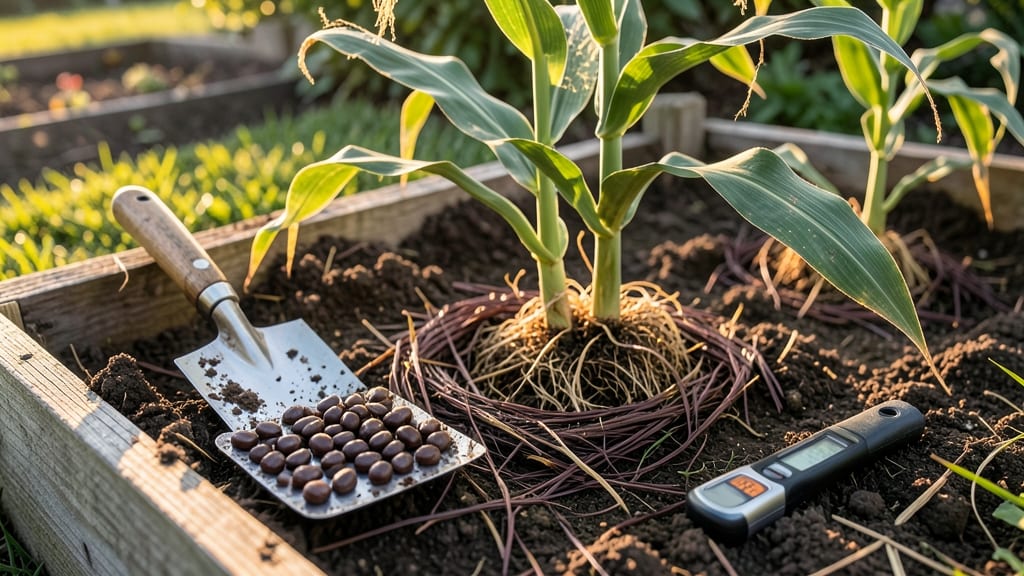
Planting corn in Zone 5 at the wrong time can mean the difference between a bountiful harvest and wasted effort—and with just a 60-day window for germination, getting it right matters more than you think.
Most gardeners in Zone 5 wait until mid-April to early May, but that’s only half the battle. The real secret lies in soil temperature: corn seeds need at least 60°F to sprout quickly, and waiting for the last frost isn’t enough.
If you plant too soon, cold soil will stall growth, leaving your 🌽 vulnerable to late frosts.
I’ve learned the hard way that rushing or waiting too long can cut your harvest short. But with the right timing—and a few pro tips—you can push your corn to mature faster, even in Zone 5’s shorter growing season.
Let’s break down exactly when to plant for maximum speed and yield.
From soil thermometers to variety selection, I’ll walk you through every step to ensure your corn gets off to a fast start and stays ahead of the frost clock. Ready to grow corn like a pro?
Zone 5 corn planting calendar: best dates by soil temperature
Corn thrives when planted after the last frost date in Zone 5, but the real secret to success lies in soil temperature. Corn seeds won’t germinate reliably below 50°F, and growth slows dramatically until the soil hits 60°F or warmer.
In my experience, waiting for consistent daytime soil temps of 60°F+ ensures faster germination and stronger seedlings.
For Zone 5 gardeners, this typically translates to planting between mid-April and early May, depending on your specific microclimate. Early varieties can stretch the season, but even they need warm soil to avoid rot or slow starts.
I’ve learned the hard way that rushing planting because of calendar dates often leads to disappointment—soil temperature is the true north for corn planting.
Here’s the critical timeline to follow for optimal corn growth in Zone 5:
| Planting Stage | Soil Temp Requirement | Zone 5 Planting Window | Key Considerations |
|---|---|---|---|
| Seed Germination | 50°F+ (minimum) | Late April (if soil warms early) | Risk of frost damage; use row covers if needed |
| Optimal Growth | 60°F+ (ideal) | Mid-April to early May | Best balance of warmth and frost-free days |
| Late Varieties | 60°F+ (must maintain) | Early June (for 100+ day varieties) | Requires consistent watering; harvest before frost |
| Harvest Ready | N/A (depends on variety) | Late July to early October | Silks turn brown; kernels are plump and milky |
In my garden, I always check soil temperature for at least 3 consecutive days at 4-inch depth (where corn roots establish). A soil thermometer is worth its weight in gold—it eliminates guesswork.
For example, in 2022, I planted early April based on calendar dates, but the soil was only 48°F, and germination took 21 days instead of the usual 7-10 days.
Another pro tip: Use black plastic mulch to warm the soil faster if you’re in a cooler microclimate. I’ve seen this method add 5-7°F to soil temperature overnight, accelerating the growing season. Just be sure to remove it once plants are established to prevent overheating.
For gardeners in northern Zone 5 (like Minnesota or Upstate New York), I recommend sticking to early-maturing varieties (60-80 days) and planting no earlier than May 1st.
In southern Zone 5 (like Kansas or Missouri), you can push the envelope slightly with April 15th plantings if your soil warms early.
One common mistake I see is planting corn too close to the last frost date. Even if frost warnings have passed, cold snaps can still occur in Zone 5.
I always wait until all danger of frost has passed—typically 2-3 weeks after the average last frost date—to be safe. This extra patience pays off with healthier, more productive plants.
If you’re planting late varieties (100+ days), consider using row covers or cold frames to extend the season. I’ve had success with retransplanting seedlings if early plantings fail due to cold snaps. Just be gentle—corn roots are delicate, and transplant shock can set growth back by weeks.
Finally, don’t forget that corn is wind-pollinated, so you’ll need to plant at least 3 rows (or 4-6 plants in a block) to ensure good pollination. In my small urban garden, I plant in a 3x3 grid to maximize cross-pollination without taking up too much space.
This simple trick has nearly doubled my yield in tight spaces!
Zone 5 corn planting calendar: best dates by soil temperature
Timing your corn planting in Zone 5 depends on two critical factors: soil temperature and last frost dates. Corn seeds need soil that’s at least 50°F to germinate, but 60°F+ ensures faster, more reliable sprouting.
In Zone 5, this typically aligns with mid-April to early May, but cooler springs may push planting into late May.
Missed the ideal window? No problem! You can still plant late-season varieties in early June for a smaller harvest, but avoid planting after July 1st—earlier corn needs 90–120 frost-free days to mature. Always check your local last frost date (usually mid-May in Zone 5) and adjust accordingly.
For fastest germination, aim to plant when soil hits 60°F consistently for 5 days. Use a soil thermometer to monitor—surface temps can mislead! In cooler Zone 5 springs, consider black plastic mulch to warm the soil 5–10°F faster than bare earth.
Pro tip: Plant succession crops every 2 weeks in early season for staggered harvests. This works best with short-season varieties like 'Early Sunglow' (85 days) or 'Golden Bantam' (70 days), which thrive in Zone 5’s shorter summers.
Remember, corn is wind-pollinated, so plant blocks (not rows) of at least 4x4 feet to ensure cross-pollination. If space is tight, opt for bush varieties like 'Silver Queen', which grow 3–4 feet tall instead of towering 10+ feet.
Always scout for cutworms in early spring—they’re a Zone 5 menace. Use collars made from toilet paper rolls around seedlings to deter them until plants are 6 inches tall.