
Plants
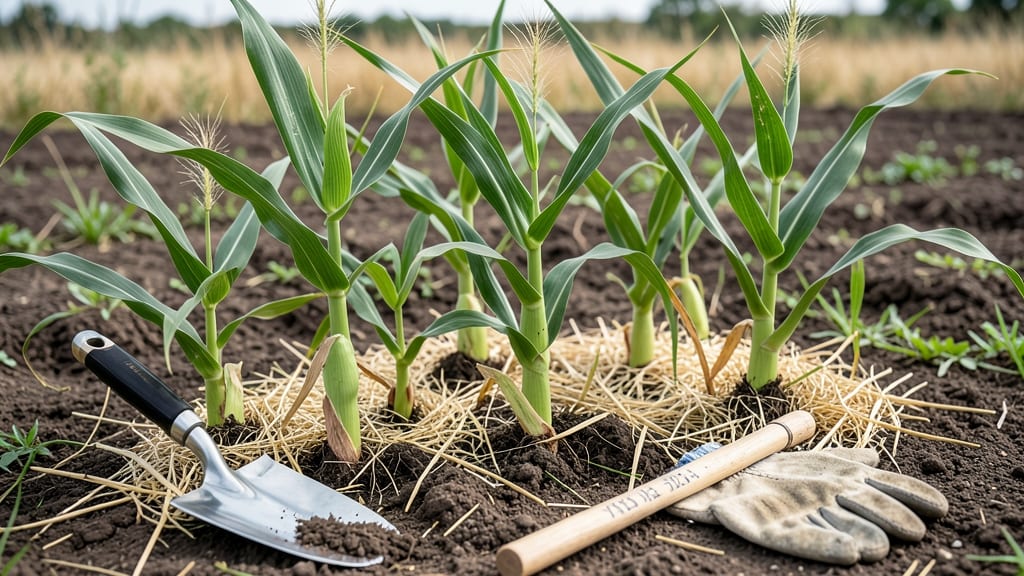
Planting corn in Zone 6b at the wrong time can turn your 🌽 dreams into a sad, stunted mess—especially when you're growing fast-maturing varieties that need perfect timing to reach their full potential.
Most gardeners in Zone 6b wait until after the last frost (usually mid-April), but that's just the starting point. The real secret lies in soil temperature—corn needs the ground to warm up to at least 60°F before you even think about dropping those seeds.
Too early, and you risk frost damage that'll set your crop back weeks.
What you'll discover here is how to pinpoint the exact 2-3 week window that works for your specific microclimate, whether you're in Northern Virginia's urban heat pockets or Indiana's cooler rural areas.
We're talking about adjustments that can mean the difference between a garden full of tall, productive stalks and a patch of wilted disappointment.
Ready to grow corn that actually thrives? Let's break down the science behind timing, plus the local tweaks that'll give you that perfect harvest window from late July through early October—when those kernels are plump, sweet, and ready to eat.
Optimal planting dates for 90-Day corn in Zone 6B
For 90-day corn varieties in Zone 6B, timing is everything. The ideal planting window spans from mid-April to early June, but this depends on your last frost date and soil temperature.
Most Zone 6B regions (like Northern Virginia or Indiana) experience their average last frost around April 15, but microclimates can shift this by 1-2 weeks.
Corn seeds need soil temperatures of 60°F or warmer to germinate properly. Using a soil thermometer is the best way to confirm readiness. If your soil is still cool in late April, wait until early May—planting too early risks frost damage to young seedlings.
Here’s the critical timeline for Zone 6B gardeners: Plant 2-3 weeks after your last frost to ensure 60-70 frost-free days before the first fall frost (typically mid-October). For 90-day varieties, this gives them just enough time to mature before cold weather arrives.
For example, if your last frost is April 20, aim to plant by May 5. If you’re in a warmer microclimate (like near pavement or buildings), you might plant as early as late April. Conversely, in cooler highland areas, wait until early June.
| Stage | Action | Notes |
|---|---|---|
| Soil Prep | Test soil pH (6.0-7.0 ideal) | Add compost for nutrients |
| Planting Window | Mid-April to early June | After last frost, soil ≥60°F |
| Depth | 1-1.5 inches deep | Cover lightly with soil |
| Spacing | 4-6 inches apart in rows | 30-36 inches between rows |
| Harvest Ready | Late July to early October | Silks brown, kernels milky |
If you’re unsure about your last frost date, check the USDA Plant Hardiness Zone Map or local agricultural extensions. For example, Lexington, KY (Zone 6B) typically has a last frost around April 10, while Chicago, IL (Zone 5B) waits until May 15. Adjust your planting date accordingly.
For successive planting, consider a second crop in early July if you have space. This works best for short-season varieties (like 'Early Sunglow') and ensures a late-summer harvest before the first frost.
Just ensure you have enough frost-free days (at least 60 days) for the corn to mature.
Pro tip: Use black plastic mulch to warm the soil faster in cooler springs. This can extend your planting window by 1-2 weeks in Zone 6B’s chillier pockets. Just remove it once the soil is warm enough to prevent overheating.
Finally, avoid planting too late—corn needs consistent warmth to grow. If you plant in late June, your 90-day variety may not mature before frost, leaving you with underdeveloped ears. Stick to the mid-April to early June window for the best results.
Optimal planting dates for 90-Day corn in Zone 6B
Zone 6B gardeners have a 3-week window to plant corn, but timing is everything for those 90-day varieties that need to mature before the first frost. The magic starts when soil temperatures hit 60°F—not air temperature, but the ground itself.
In most of Zone 6B, this typically aligns with mid-April to early May, but urban areas like Northern Virginia may see warmer soil a week earlier.
Your last frost date is just one piece of the puzzle. Corn seeds can't handle even light frosts, so planting too early—even if the ground feels warm—risks stunted growth.
For example, in Indiana's rural areas, I've seen corn planted in late April suffer from unexpected late frosts, while the same variety thrived when delayed until May 1st.
Here's the golden rule: Wait until you can consistently measure 60°F soil temps at 4-inch depth. Use a soil thermometer for accuracy—don't guess! If you're in doubt, err on the side of waiting.
Corn planted in 55°F soil will germinate slowly, giving weeds a competitive edge and delaying your harvest by critical days.
| Factor | Zone 6B Urban (e.g., Northern VA) | Zone 6B Rural (e.g., Indiana) |
|---|---|---|
| Last Frost Date | April 10-15 | April 20-25 |
| Ideal Soil Temp | 60°F (reached ~April 20) | 60°F (reached ~May 1) |
| Planting Window | April 25-May 10 | May 5-May 20 |
| Harvest Window | July 30-August 15 | August 5-August 20 |
| Key Adjustment | Urban heat islands warm soil faster | Cooler nights delay soil warming |
For 90-day varieties, your harvest window becomes the real deadline. If you plant too late, you'll miss the late July to early October sweet spot. I once planted corn in early June thinking I had plenty of time—only to watch my plants struggle through Indiana's hot, dry August.
The lesson? When in doubt, plant on the earlier side of your window and succession plant every 2 weeks for continuous harvests.
Pro tip: Check your local Almanac's frost calendar and adjust by 1-2 weeks based on your microclimate. If your garden sits in a low spot that stays cold longer, push planting to May.
Conversely, south-facing gardens with black soil may be ready by late April. The key is observing your own space over multiple years.
Remember, corn is a heavy feeder, so prepare your soil with compost or aged manure 2-3 weeks before planting. The warmer the soil, the faster those roots will establish—giving you that head start toward a bountiful harvest before frost. 🌽