
Plants
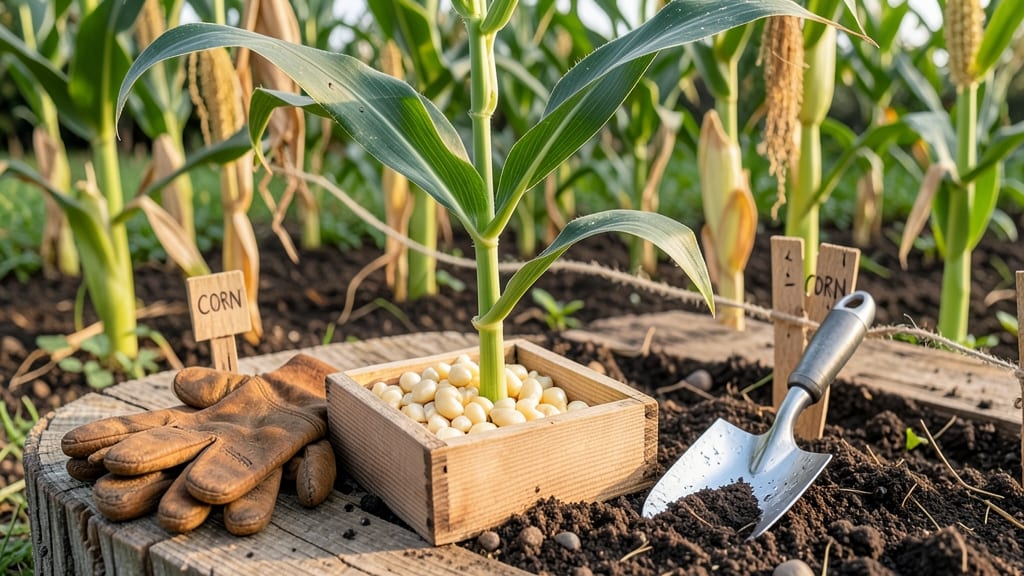
Planting corn in Arkansas at the wrong time can mean the difference between a bumper crop and a total bust—especially when you're staring down 190 frost-free days and humidity that loves to play tricks on your plants.
The ideal window isn't just "spring," but a precise mid-April to early June sweet spot that balances soil warmth and seasonal risks.
Here's the kicker: Arkansas gardeners in 7a-8a zones have to work with a short growing season, so timing matters more than you'd think. Too early, and your 🌽 seedlings shiver in cold soil; too late, and you're racing against that November frost before ears even fill out.
I'll break down exactly how to nail those dates—plus the soil temperature secrets that make all the difference.
What if you're in northern Arkansas versus the southern part of the state? The answer changes, and so does your variety choice.
We'll cover which corn types thrive best in Arkansas's heat and humidity, and why some gardeners swear by planting two batches—one early, one late—to stretch that harvest window.
Ready to grow corn that's tall, sweet, and ready to harvest before the first chill? Let's dive into the exact dates, soil prep, and pro tips that'll have your corn standing strong from July right through October.
Best corn planting dates in Arkansas by region (2024 frost risk Zones)
Arkansas's varied climate—from the cooler northern hills to the hotter southern Delta—means corn planting dates vary by region. The last frost date typically ranges from March 15 in northern Arkansas to April 1 in the south.
To avoid frost damage, plan to plant 2-3 weeks after your local last frost date.
Southern Arkansas (Zones 7b-8a) enjoys a longer growing season, while northern areas (Zones 6b-7a) face earlier frosts. For peak yields, aim to harvest before the first frost, usually around November 15.
Fast-maturing varieties (80-90 days) are ideal for northern Arkansas, while slower varieties (100+ days) work in the south.
Here’s a breakdown of optimal planting windows by region, ensuring your corn matures before Arkansas’s first frost:
| Region | USDA Zone | Last Frost | Planting Window | Harvest Window | Recommended Varieties |
|---|---|---|---|---|---|
| Northern Arkansas | 6b-7a | March 15 | April 15 - May 1 | July 15 - September 15 | 'Pioneer 39N33' (85 days), 'Silver Queen' (80 days) |
| Central Arkansas | 7a-7b | March 25 | April 1 - May 10 | July 1 - October 1 | 'Asgrow A6548' (95 days), 'Peaches & Cream' (85 days) |
| Southern Arkansas | 7b-8a | April 1 | April 15 - June 1 | July 15 - October 15 | 'Golden Bantam' (70 days), 'Country Gentleman' (100 days) |
For home gardeners, planting in late April to early May strikes a balance across most of Arkansas. This window ensures soil warmth (at least 60°F) and avoids late-season droughts. If you’re in northern Arkansas, prioritize early-maturing varieties to beat the frost.
Extend your harvest by planting successive crops every 2 weeks in May. This staggered approach ensures a steady supply of fresh corn from July through September. Just remember: corn needs consistent moisture during pollination (when silks emerge), so plan for 1-2 inches of water weekly.
Arkansas’s humidity can also encourage fungal diseases like corn smut or blight. To mitigate risks, choose disease-resistant varieties and avoid overhead watering. Southern Arkansas gardeners can push the envelope with later plantings (up to June 1) for long-season varieties, but monitor weather forecasts for early fall storms.
Pro tip: Use a soil thermometer to confirm 60°F soil temps before planting. Cold soil delays germination and weakens seedlings. If temps dip below 50°F, wait another week—your patience will pay off with stronger plants.
Finally, consider companion planting with beans or squash to improve soil nitrogen and deter pests. In Arkansas’s heat, shade from taller plants can also reduce water stress on young corn.
How to adjust corn planting dates for Arkansas soil temperature and weather patterns
Arkansas' humid subtropical climate means your corn planting dates aren't just about frost—they're about soil warmth and avoiding late-season droughts. Corn seeds need soil temperatures of at least 50°F (10°C) to germinate, but they thrive best at 60°F (16°C) or warmer.
In northern Arkansas, this usually happens by mid-April, while southern regions can start as early as late March.
I've learned the hard way that planting too early—when soil is still cool—leads to slow germination and weak seedlings. Use a soil thermometer to check depths of 2-4 inches before planting. If your soil hasn't warmed up, wait it out—even a week can make a difference in seedling vigor.
Here's where Arkansas' weather patterns add another layer of complexity. The state's summer drought risk peaks in July and August, so planting too late can leave your corn struggling during critical pollination stages.
That's why I recommend planting sweet corn varieties in two batches: one in early May and another in early June, to spread out your harvest window.
Another pro tip: Watch for Arkansas' late spring rains, which can delay planting. If you're staring at a soggy garden in May, consider using raised beds or planting in warmer microclimates like near south-facing fences or black plastic mulch.
These tricks can shave off critical days waiting for ideal conditions.
Late Planting Warning
Planting corn after June 1 in Arkansas risks immature harvests before frost. Varieties like 'Silver Queen' (85 days) are safer than 'Peaches and Cream' (100+ days) for late plantings. Always calculate 120 days to harvest from your planting date to avoid disappointment.
For field corn or popcorn varieties, you've got slightly more flexibility since they mature later. But even these need to be in the ground by mid-June to avoid frost damage.
I've had success with 'Bodacious' popcorn planted in early June—it matures in 105 days, giving it enough time to develop fully before Arkansas' first frost in November.
Don't forget about companion planting to extend your growing season. Planting corn near beans or squash can improve soil fertility and provide shade during Arkansas' intense summer heat. This natural partnership can help your corn maintain steady growth when temperatures soar above 90°F (32°C).
Finally, keep an eye on your local Arkansas Agricultural Extension Service forecasts. They often provide hyper-local planting recommendations based on recent weather patterns. With their data plus your soil thermometer, you'll have the perfect formula for healthy, high-yielding corn that's ready to harvest before frost nips at your plants.