
Plants
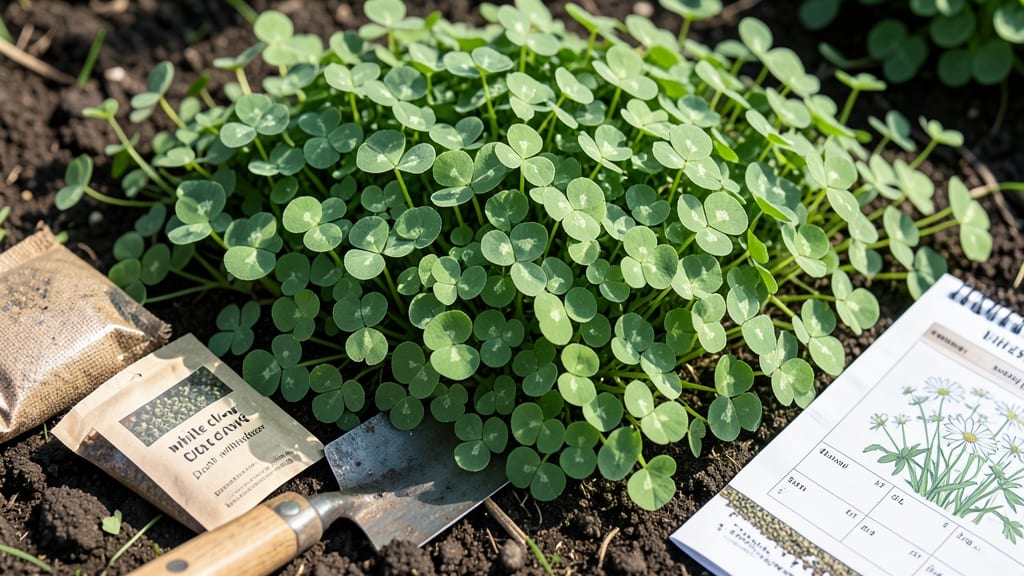
Planting clover in Washington State at the wrong time could leave your lawn sparse and your soil starving for nitrogen—especially when the Pacific Northwest’s unpredictable spring weather throws off even the most careful gardeners.
The key to success lies in understanding your specific microclimate, whether you're in the rain-soaked coastal zones or the drier inland areas where frost lingers longer.
Most gardeners in USDA Zones 5-8 swear by early spring planting, but timing varies wildly depending on whether you're growing white clover for its persistence or red clover for its fast nitrogen boost.
I’ve seen firsthand how a two-week delay can mean the difference between a thriving cover crop and weeks of waiting for germination.
In this guide, I’ll break down the exact frost-free deadlines for your region—whether you’re in the Puget Sound or the Columbia Basin—and share my best tips for adjusting planting dates based on soil temperature and rainfall. No more guesswork, just lush, green results.
Ready to transform your lawn or pasture? Let’s dive into the perfect planting windows that actually work for Washington’s diverse growing conditions.
Optimal planting windows for clover in Washington’s microclimate zones
Washington State’s diverse climate zones—from coastal rainforests to inland deserts—create unique challenges for planting clover. The USDA hardiness zones in WA range from 5b (eastern WA) to 8b (western WA), meaning frost dates vary wildly.
For example, Spokane (Zone 5b) may see frost until May 15, while Seattle (Zone 8b) rarely drops below freezing after February. Timing your planting right ensures your clover thrives year-round.
Most gardeners in Washington plant clover in early spring (March–April) or late summer/fall (August–September). Spring planting gives seeds time to establish before summer heat, while fall planting takes advantage of cooler temperatures and winter moisture.
However, red clover (fast-growing) can even be seeded in late summer for a fall harvest, while white clover (persistent) does better with an early spring start.
Here’s how to align your planting with Washington’s microclimates:
| Zone & Region | Last Frost Date | Best Planting Window | Soil Temp Goal |
|---|---|---|---|
| Western WA (Zones 7b-8b) | Mid-March to early April | March 15–April 30 (spring) or August 15–September 15 (fall) | 50–55°F |
| Eastern WA (Zones 5b-6a) | Mid-May to early June | May 1–June 15 (spring) or August 1–September 10 (fall) | 55–60°F |
| Coastal (Zones 7b-8a) | Late February to early March | February 20–March 31 (spring) or September 1–October 1 (fall) | 45–50°F |
| Puget Sound (Zone 8a) | Mid-March to early April | March 10–April 15 (spring) or August 20–September 30 (fall) | 50–55°F |
For coastal areas, like Olympia or Bellingham, you can plant clover as early as February because mild winters reduce frost risk.
In contrast, inland areas (e.g., Wenatchee or Yakima) should wait until May to avoid late frosts. Red clover, which grows quickly, can handle cooler soils (45°F+), while white clover prefers warmer soils (55°F+) for faster germination.
If you’re planting clover as a cover crop, aim for late summer (August) to allow roots to establish before winter. This strategy helps suppress weeds and enrich soil for spring plantings.
For lawn mixes, early spring is ideal—seeds germinate faster in warmer soil, giving your lawn a head start before summer drought sets in.
Pro tip: Use a soil thermometer to confirm 50–55°F soil temps before planting. In drier inland zones, wait until June to avoid summer drought stress. Coastal gardeners can plant earlier thanks to consistent rainfall, but avoid waterlogged soils to prevent seed rot.
Washington’s fall planting window (August–September) works best in Zone 7 and below. For example, Spokane gardeners can plant red clover in early August for a fall harvest, while Seattle gardeners might extend planting into late September due to milder temperatures.
Always check your local frost dates—the WA State University Extension provides free frost maps tailored to your county.
One mistake I see often is planting too early in cold soils. Clover seeds won’t germinate below 45°F, and wet, cold soil can lead to damping off (a fungal disease).
To test soil readiness, press your finger into the ground—if it feels crumbly and warm, it’s time to plant. For cooler microclimates, use a black plastic mulch to warm the soil faster.
Remember: White clover is more drought-tolerant and can handle later spring plantings, while red clover needs moisture and cooler temps
How to adjust planting dates based on soil temperature and rainfall
Washington State’s microclimates create unique challenges for clover planting. In coastal regions like the Olympics or Puget Sound, persistent rainfall can delay planting until soil temperatures stabilize above 55°F. Meanwhile, eastern Washington often faces dry springs, requiring earlier sowing to capitalize on spring moisture.
Use a soil thermometer to confirm readiness—clover thrives when soil stays consistently warm. In Zone 7-8 areas (e.g., Yakima), aim for mid-April to early May for spring planting. For Zone 5-6 (e.g., Spokane), wait until late May to avoid frost damage.
Fall planting is riskier due to early frosts. In western WA, sow red clover by mid-August for a 6-week growth window before winter. In drier eastern regions, white clover can handle later fall sowing (up to mid-September) thanks to its drought tolerance.
⚠️ Clover Planting Warning
Avoid planting in waterlogged soil—clover roots rot below 50°F. Coastal gardeners should wait for 3-5 consecutive dry days before sowing to prevent seed washout. Eastern WA growers may need to irrigate lightly post-planting to encourage germination.
🌧️ Pro Tip: Use a mulch blanket (straw or wood chips) to insulate soil and extend planting windows by 2-3 weeks in spring/fall.
Monitor rainfall forecasts—if 1+ inches of rain is predicted within 48 hours of planting, delay until conditions improve. Red clover germinates faster (7-14 days) than white clover (14-21 days), so adjust timelines accordingly for mixed lawns.
For container-growing, plant 2-3 weeks earlier than ground planting—containers warm up faster in spring. Use well-draining mixes with 50% compost to prevent waterlogging, a common issue in WA’s acidic soils.
Always check local frost dates via the WA State University Extension maps. Their frost-free calculators account for elevation changes (critical for mountainous regions like the Cascades). Adjust your schedule by 10-14 days if you’re above 2,000 feet.
Remember: Soil temperature trumps calendar dates. A 60°F April in western WA may be ready for clover, while a 45°F May in eastern WA isn’t. Test before planting—your clover’s success depends on it!