
Plants
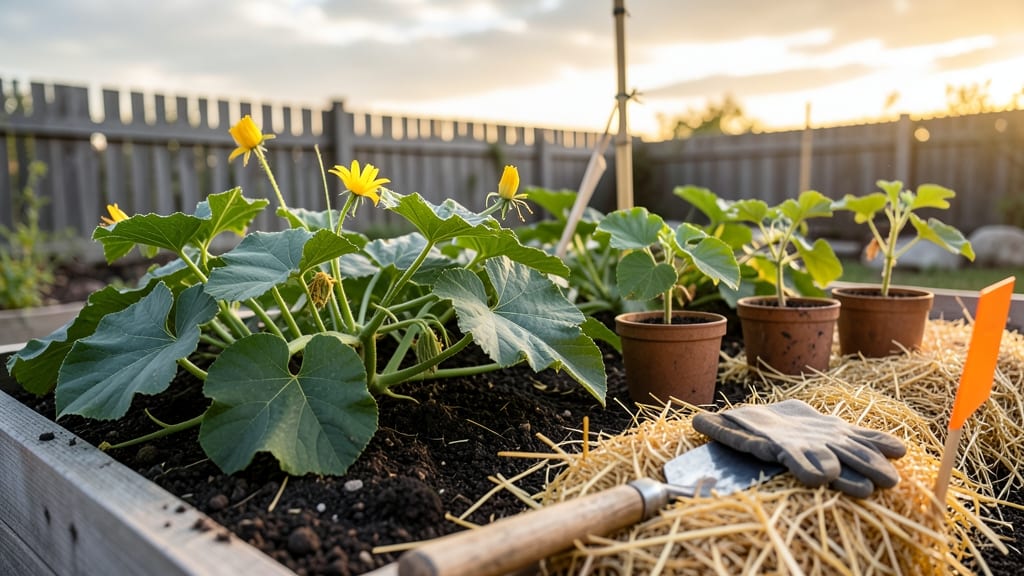
Planting pumpkins in Washington State isn't just about grabbing seeds and sticking them in the dirt—timing is everything. The right window means the difference between a bumper crop and a sad, frost-nipped failure.
With USDA zones ranging from 4 to 8, your local climate dictates whether you should start seeds indoors in March or wait until late May for direct sowing.
I’ve grown pumpkins across Washington’s diverse regions, from the cool, wet Puget Sound to the hotter, drier Columbia Basin, and the key is soil temperature. Pumpkin seeds need warm soil (60-70°F) to germinate—something that can take weeks to happen in chilly zones.
If you plant too early, your seedlings will rot; too late, and your vines won’t mature before frost.
In this guide, I’ll break down the exact planting deadlines for your zone, including when to start seeds indoors, transplant starters, or sow directly. You’ll also learn how to adjust for Washington’s tricky microclimates—like protecting young plants from late spring frosts or avoiding fungal diseases in damp areas.
Whether you’re a first-time gardener in Seattle or a seasoned farmer in Yakima, these tips will help you avoid common mistakes and grow pumpkins that thrive. Let’s get those seeds in the ground at the perfect time!
Washington State pumpkin planting dates by USDA zone (soil temp & frost-free deadlines)
Washington State spans USDA zones 4 through 8, creating wildly different planting windows for pumpkins. In zone 4 (northern WA), you’ll need to start seeds indoors by March 15 and transplant after May 15.
Meanwhile, zone 8 (Columbia Basin) gardeners can direct-sow as early as March 1 with no frost risk. The key factor? Soil temperature must reach 60-70°F for germination.
Most Washington gardeners plant pumpkins between mid-April and mid-June, but timing depends on your last frost date. In Seattle (zone 8), the average last frost is April 15, while Spokane (zone 6) waits until May 15.
For direct sowing, wait until soil warms to 65°F—use a soil thermometer to check!
Here’s your zone-by-zone planting schedule with critical deadlines:
| USDA Zone | Last Frost Date | Ideal Planting Window | Soil Temp Requirement | Notes |
|---|---|---|---|---|
| Zone 4 (Northern WA) | May 15 | Start indoors: March 15 Transplant: May 20 |
65-70°F | Use short-season varieties (e.g., 'Jack Be Little'). |
| Zone 5 (Eastern WA) | May 1 | Start indoors: April 1 Transplant: May 10 |
60-65°F | Warmer days help soil warm faster. |
| Zone 6 (Spokane) | April 25 | Direct sow: April 20 Transplant: May 1 |
60°F | Cover seedlings if frost threatens. |
| Zone 7 (Central WA) | April 10 | Direct sow: March 25 Transplant: April 15 |
55-60°F | Black plastic mulch speeds soil warming. |
| Zone 8 (Puget Sound) | April 15 | Direct sow: March 1 Transplant: April 1 |
55°F | Longer season allows giant varieties (e.g., 'Atlantic Giant'). |
For direct-sown pumpkins, aim for planting 2-3 weeks after your last frost date. If you’re using starter plants, transplant them when soil is 60°F+ and nighttime temps stay above 50°F. In Western WA, where soil stays damp, use raised beds to warm soil faster.
Pro tip: Black plastic mulch can raise soil temps by 10°F, letting you plant 2 weeks earlier in cooler zones. Just remove it after vines emerge to prevent overheating.
If you’re growing winter squash varieties (like butternut), plant 1-2 weeks earlier than pumpkins—they mature faster. For giant pumpkins, prioritize zone 8 where vines have 120+ frost-free days.
Remember: Pumpkins need 75-100 days to mature. In zone 4, choose early varieties (e.g., 'Small Sugar'); in zone 8, you can grow long-season types like 'Howden.'
Use a planting calendar to track your local frost dates—WA’s Western Slopes can have 100+ frost-free days, while Eastern WA often exceeds 150 days. Adjust your planting window accordingly!
🌱
How to adjust pumpkin planting for Washington’s microclimates (rainy west vs. dry east)
Washington’s two distinct climates—the wet, cool Pacific Northwest and the hot, dry Eastern regions—require completely different pumpkin planting strategies. In Western WA, like Seattle or Bellingham, soil stays cold longer, and excess moisture can lead to fungal diseases.
Meanwhile, Eastern WA, including Yakima and Wenatchee, warms up faster but demands extra watering to prevent drought stress.
I’ve seen pumpkin vines thrive in both regions, but the key adjustments are soil prep, watering frequency, and frost protection.
For example, in Zone 7 Seattle, I start seeds indoors in March and transplant after the last frost (mid-May), while in Zone 6 Yakima, I can direct-sow in late April once soil hits 65°F. The difference? Microclimates matter.
Here’s how to tailor your approach based on where you garden in Washington:
| Factor | Western WA (Seattle, Bellingham) | Eastern WA (Yakima, Wenatchee) |
|---|---|---|
| Soil Warming | Slow (use black plastic mulch) | Fast (plant earlier) |
| Watering Needs | Consistent (fungus risk) | Frequent (drought risk) |
| Frost Protection | Essential (late frosts) | Less critical (warmer nights) |
| Best Varieties | Short-season (e.g., 'Jack Be Little') | Long-season (e.g., 'Howden') |
In Western WA, I recommend black plastic mulch to warm the soil faster and raised beds to improve drainage. For Eastern WA, focus on drip irrigation to keep roots moist without wetting leaves (which spreads disease).
Urban gardeners in Seattle’s microclimates might even find their south-facing walls extend the growing season by 2-3 weeks—perfect for pumpkins!
Another trick? Choose the right variety. In Zone 4 Spokane, I stick to 60-day varieties like 'Small Sugar', while in Zone 8 Walla Walla, I plant 100-day giants like 'Atlantic Giant'. The same seeds won’t work everywhere—adjust based on your frost-free days.
Finally, watch for localized weather patterns. A heatwave in June can push Eastern WA’s pumpkins to maturity faster, while cool, cloudy summers in Western WA might delay harvests. Keep a garden journal to track what works best in your specific spot!