
Plants
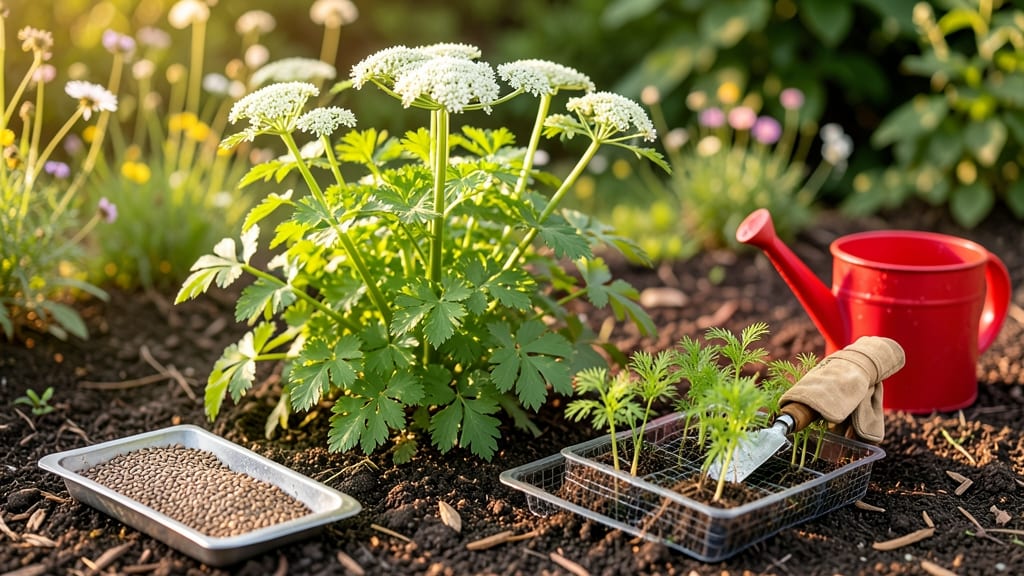
Planting cilantro in Ohio isn’t just about timing—it’s about beating the heat and frost to keep your 🌿 thriving until harvest. Skip the wrong window, and you’ll end up with bitter, bolted greens instead of the fresh flavor you crave.
Most gardeners in USDA Zone 6a swear by two sweet spots: early spring (March–April) and late summer (August–September). These months give cilantro the cool weather it loves while avoiding the 90°F+ summers that send it running to flower.
But here’s the game-changer: Ohio’s frost dates (April 15 and October 15) mean you’ve got just 165 frost-free days to work with. Learn how to stretch that window—and why succession planting could mean cilantro on your table for months.
From shade tricks to soil secrets, I’ll walk you through exactly how to time it right, so your cilantro stays tender and your kitchen stays stocked. Let’s get growing!
Ohio cilantro planting calendar: frost dates and ideal windows
Ohio’s USDA Zone 6a climate demands precision when planting cilantro, as this cool-season herb bolts quickly in heat. The key to success lies in aligning your planting schedule with Ohio’s average last frost date (April 15) and first frost date (October 15).
Southern Ohio may enjoy 1-2 weeks earlier planting, while northern regions should wait until mid-April to avoid frost damage.
For spring cilantro, start seeds indoors 4-6 weeks before your last frost date or sow directly in early March under protective covers. In fall, plant seeds outdoors 8-10 weeks before the first frost—typically late August to early September—to ensure a harvest before winter sets in.
Cilantro thrives in Ohio’s cool spring and fall temperatures (50°F–75°F) but struggles during summer’s 90°F+ heat. Planting too early in spring risks frost damage, while summer planting guarantees rapid bolting. Timing is everything for flavorful, slow-bolting cilantro.
Pro Tip: Use Ohio’s frost-free growing season (165 days) to your advantage. Stagger plantings every 2-3 weeks in spring and fall for a continuous harvest. This extends your harvest window from May through November.
| Planting Window | USDA Zone 6a Ohio | Key Notes |
|---|---|---|
| Spring Planting | March 15 - April 15 | Direct sow 4-6 weeks before last frost; use row covers for early starts. |
| Fall Planting | August 15 - September 15 | Sow 8-10 weeks before first frost; harvest before hard freeze. |
| Avoid Planting | June - July | Summer heat causes rapid bolting; cilantro prefers cooler temps. |
| Succession Planting | Every 2-3 weeks | Extend harvest by sowing new seeds every 3 weeks in spring/fall. |
| Microclimate Adjustments | Southern OH: +7 days; Northern OH: -7 days | Account for local frost variations with row covers or cold frames. |
Ohio’s variable microclimates mean gardeners in Columbus may plant 1 week earlier than those in Toledo or Cleveland. Check your local Almanac frost dates and adjust accordingly.
For example, southern Ohio’s last frost often occurs by April 1, while northern areas may not see frost-free conditions until mid-April.
When planning your cilantro schedule, prioritize cool-season windows. Aim for 60-70 days to maturity before Ohio’s first fall frost. This ensures you harvest mature leaves (not flowers) before the plant bolts. Use shade cloth (30-50%) if planting in late spring to delay bolting during warm spells.
For container gardening, Ohio gardeners can push planting dates slightly earlier or later by using 5-gallon pots with heat sinks (like bricks). Containers warm up faster in spring but also cool down quicker in fall, giving you extra flexibility with timing.
Just ensure pots have drainage holes to prevent root rot.
Remember: Cilantro’s flavor peaks when grown in cool weather. Ohio’s spring and fall are ideal, but with proper shading and succession planting, you can enjoy fresh cilantro nearly year-round. Start with small batches to test your local microclimate’s best timing.
How to extend Ohio’s cilantro growing season with smart techniques
Ohio’s summer heat turns cilantro into a bolting disaster—but with the right tricks, you can keep it thriving for months. The key? Cool roots and warm air. Use shade cloth (30-50%) during peak afternoon sun (12 PM–4 PM) to drop soil temps by 10-15°F.
For container gardeners, black pots absorb heat faster than terracotta—so opt for white or light-colored containers to reflect sunlight. Place them in partial shade under trees or near north-facing walls.
Pro tip: If your cilantro bolts too soon, harvest the stems and let it go to seed. The seeds (coriander) are edible and add a citrusy kick to dishes—plus, you can collect them for next year’s garden!
For northern Ohio gardeners (Zones 5b–6a), focus on spring and fall plantings—summer’s 90°F+ days are nearly impossible to beat without shade. Southern Ohio (Zone 7a) has a 10-day longer window in spring, but still prioritize shade and moisture.
Remember: Cilantro hates heat, but with these tweaks, you’ll outsmart Ohio’s climate and enjoy fresh harvests from May through October. Start small—try one container or shaded bed—and expand as you master the timing.