
Plants
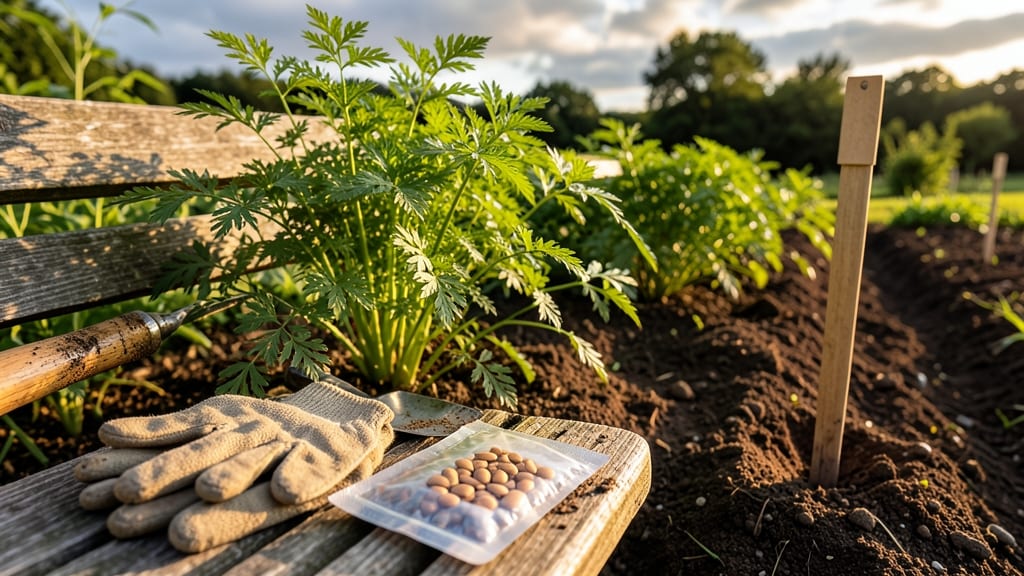
Planting carrots in Vermont isn’t just about throwing seeds in the dirt—it’s about working with the state’s short growing season to get those sweet, crisp roots before frost sets in.
The perfect window starts as early as April, but timing matters more than you’d think, especially when rocky soil and unpredictable weather can turn your harvest into a gamble.
Most gardeners in Zone 5b know the struggle: sow too late, and you’ll be left with bitter, stringy carrots by summer’s end. But with the right strategy—like choosing cold-hardy varieties and planning for two planting rounds—you can enjoy homegrown 🥕 from June through October.
I’ll break down the exact dates to plant, plus how to stretch your harvest when Vermont’s frost sneaks up faster than expected.
Why settle for store-bought when you can grow carrots that actually taste like summer? The secret lies in understanding your local climate and adjusting your schedule to match.
Whether you’re a first-time gardener or a seasoned pro, these tips will help you avoid common pitfalls and maximize your yield—no matter how chilly the spring air gets.
Ready to dig in? Let’s talk about the best times to plant, the varieties that thrive in Vermont’s cool soil, and how to keep your carrots growing long after your neighbors have given up for the year.
Your future harvest starts with the right timing—and trust me, it’s easier than you think.
Best planting dates for carrots in Vermont’s climate zones
Vermont’s Zone 4-5 climate means carrots must be planted at precise times to avoid late frosts or bolting from heat. The last average frost is around April 15, and the first frost typically hits October 15, leaving just 165 frost-free days.
This short window demands careful timing to maximize your harvest.
For spring plantings, aim to sow seeds 2-3 weeks before your last frost, which in Vermont usually lands in early to mid-April. This early start gives roots time to establish before soil warms too quickly.
If you miss this window, don’t worry—succession planting in late May or early June can still yield a summer harvest.
Fall plantings are equally critical. Start seeds 8-10 weeks before your first frost, which translates to late July to early August in Vermont. This timing ensures carrots mature before winter sets in, often producing sweeter roots due to cooler fall temperatures.
Here’s the golden rule: Plant carrots when soil temperatures are between 45°F and 85°F. Below 45°F, germination slows dramatically, while above 85°F, they bolt prematurely. Use a soil thermometer to check—this tool is a game-changer for Vermont gardeners.
Pro tip: If you’re eager to start earlier, try cold frames or row covers in March. These protect tender seedlings from late snowfalls and chilly winds, giving you a jump on the season. Just remove covers once seedlings sprout to prevent overheating.
🌱 Vermont Carrot Planting Timeline
| Season | Planting Window | Soil Temp | Key Notes |
|---|---|---|---|
| Spring | Early April – Mid-May | 45°F–65°F | Avoid bolting; use shade cloth if hot |
| Summer | Late May – Early June | 55°F–75°F | Succession plant every 2 weeks |
| Fall | Late July – Early August | 50°F–70°F | Harvest before first frost for sweeter roots |
🌿 *Adjust dates 1-2 weeks based on microclimates (e.g., warmer valleys vs. cooler mountains).
Vermont’s microclimates play a huge role in timing. Gardens in warmer valleys like Burlington can push planting dates 1-2 weeks earlier, while cooler highlands near Stowe may need to delay until soil warms.
Observe your local patterns—note when daffodils bloom (a classic sign soil is ready) or when maple trees leaf out.
Another Vermont-specific challenge is rocky or clay-heavy soil. Carrots need loose, well-draining soil to grow straight. Amend beds with compost or sand before planting, and consider raised beds if your native soil is too dense. This prep work pays off with fewer forked roots and higher yields.
For container growing, start seeds indoors 6-8 weeks before your last frost (around March 1 in Vermont). Use deep pots (at least 12 inches deep) to accommodate full-sized roots.
Transplant seedlings outdoors after hardening off, but be ready to protect them from late frosts with cloches or row covers.
Finally, keep an eye on bolting, a common issue when days get long and hot. If your carrots start flowering prematurely, they’ll become woody and bitter.
To prevent this, choose shade-tolerant varieties or use lightweight shade cloth during peak summer heat. Mulching with straw or grass clippings also helps maintain even soil moisture.
Best planting dates for carrots in Vermont’s climate zones
Vermont’s short growing season and cool soil mean timing is everything for carrots. The ideal window spans from early April to mid-July for spring plantings and late July to early August for fall crops.
These dates align with Vermont’s USDA Zone 5b and account for the last frost date (April 15) and first frost (October 15).
Carrots thrive when soil temperatures reach 45°F, which typically happens by mid-April in most Vermont regions. However, northern Vermont may need to wait until late April due to colder microclimates. Planting too early in cold soil can stunt root growth or cause seeds to rot.
For spring plantings, aim to sow seeds 2-4 weeks before your last frost date. This gives seedlings time to establish before warmer weather arrives. In Vermont, that translates to early to mid-April in southern regions and late April in the northern Green Mountains.
🌱 Vermont Carrot Planting Timeline
| Season | Planting Window | Soil Temp | Key Tip |
|---|---|---|---|
| Spring | Early April - Mid-July | 45°F+ | Use row covers for early plantings |
| Fall | Late July - Early August | 50°F+ | Choose fast-maturing varieties |
| Summer Succession | Every 2 weeks until July | 55°F+ | Keep soil moist to prevent bolting |
Fall plantings should occur 8-10 weeks before your first frost to ensure carrots mature before cold sets in. In Vermont, that means late July to early August plantings. Choose fast-maturing varieties (60-70 days) like 'Paris Market' or 'Early Nantes' for fall harvests.
Avoid planting carrots in mid-summer heat (July-August) unless you use shade cloth, as temperatures above 80°F can cause bolting. Instead, focus on succession planting every 2 weeks from April through June for a continuous harvest.
For rocky Vermont soil, consider using raised beds filled with loose, sandy loam. This prevents forking and ensures straight roots. Always amend soil with compost before planting to improve drainage and fertility.
Monitor your garden for carrot rust fly, a common Vermont pest. Use row covers or plant companion plants like leeks to deter them. With the right timing, you’ll enjoy homegrown carrots from June through October!