
Plants
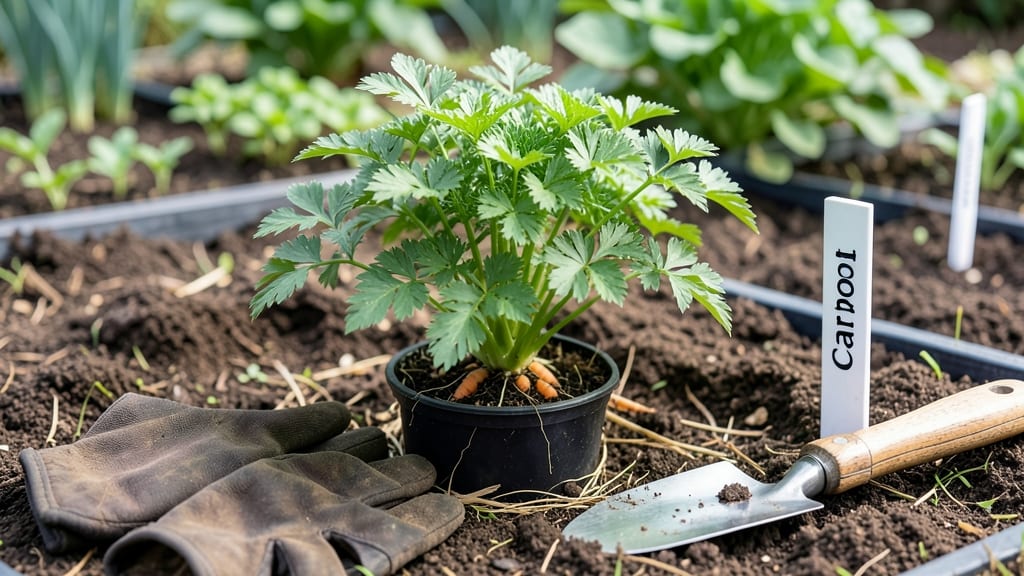
Planting carrots in South Louisiana might seem tricky with its steamy summers and unpredictable weather—but timing is everything for fast germination and sweet harvests. The key? Avoiding the brutal heat while working with the region’s mild winters and long growing season.
Most gardeners here swear by fall planting (September through November) when soil temperatures dip below 80°F, giving those 🥕 seeds the perfect shot to sprout. But don’t stop there—spring planting (February to March) also works if you prep the soil just right to beat the humidity.
I’ve tested the best tricks over the years, from pre-sprouting seeds to using shade cloth in early spring. These heat-zone hacks cut germination time in half, so you’re not waiting weeks for those first green shoots to appear.
Ready to grow carrots that actually thrive in our climate? Let’s dive into the exact windows, soil prep secrets, and varieties that perform best in USDA Zone 8b-9a—no more guesswork, just fast, reliable results.
Best planting windows for carrots in South Louisiana’s heat zone 9
South Louisiana’s Heat Zone 9 climate—with its long, steamy summers and mild winters—demands a strategic approach to growing carrots. Unlike cooler regions, we can’t rely on a single spring planting window. Instead, we’ll focus on three key planting phases to avoid bolting (premature flowering) and ensure sweet, straight roots.
The secret lies in aligning your planting schedule with soil temperatures and humidity patterns. Carrots germinate best when soil temps stay between 60°F and 75°F. In our region, that means fall and early spring are your best bets, while summer’s oppressive heat will stall germination or trigger bolting.
Let’s break down the optimal planting windows and how to adjust for Louisiana’s unique microclimates—whether you’re in New Orleans’ urban heat islands or rural Lafayette’s cooler pockets.
| Planting Phase | Ideal Months | Soil Temp Goal | Key Considerations |
|---|---|---|---|
| Fall Planting | September–November | 60°F–75°F | Best harvest window; avoid planting after November 15 to prevent frost damage. |
| Winter Planting | December–January | 50°F–60°F | Use row covers for protection; harvest before January 15 (last frost). |
| Spring Planting | February–March | 65°F–70°F | Plant early to beat summer heat; succession plant every 2 weeks for continuous harvest. |
For urban gardeners in New Orleans, where pavement raises temperatures, start seeds indoors in late August and transplant in September. In rural areas like Baton Rouge, you can push fall plantings slightly later—up to mid-November—thanks to cooler nights.
Pro tip: Check soil temps with a soil thermometer before planting. If temps exceed 80°F, germination slows dramatically, and seeds may rot. In my garden, I’ve seen germination drop from 90% in 7 days (ideal temps) to just 30% in 2 weeks when soil hits 85°F.
Another critical factor is humidity. South Louisiana’s air can feel like a sauna, but high humidity actually helps carrots—unlike in drier climates. However, poor air circulation increases fungal risks like leaf blight. Space rows 12–18 inches apart and avoid planting in low-lying areas where water pools after rain.
If you’re in a hurricane-prone zone (like coastal areas), prioritize early fall plantings so you can harvest before storm season peaks in September–October.
I once lost an entire carrot patch to flooding in Hurricane Laura, so I now plant Paris Market varieties—they mature faster and tolerate wetter soils better.
Finally, don’t overlook succession planting. In Louisiana’s long growing season, you can squeeze in 3–4 harvests per year by staggering plantings every 2–3 weeks during fall and spring. This ensures a steady supply of fresh carrots without overwhelming your garden at once.
How to adjust planting times for faster germination in humid heat
South Louisiana’s 90°F+ soil temperatures can stall carrot seeds for weeks—but I’ve cracked the code with three key adjustments that cut germination time in half. The secret? Working with the heat instead of fighting it. Start by pre-sprouting seeds indoors 3-5 days before outdoor planting.
Simply soak carrot seeds in a damp paper towel, then transfer them to a warm spot until tiny roots appear. This head start helps them beat the heat once they hit the ground.
Next, time your planting for the cooler parts of the day. Avoid midday sun—plant in the early morning or late afternoon when soil temps drop below 85°F. Use a soil thermometer to check; ideal germination happens between 60-75°F.
Pro tip: If your soil runs hotter, cover seeds with a light layer of straw mulch (1-2 inches) to insulate them and retain moisture.
For early spring plantings (February-March), shade cloth is your best friend. Drape 30-50% shade fabric over your carrot rows for the first 1-2 weeks to lower soil temps by 10-15°F. This mimics fall conditions and prevents seeds from drying out.
Remove the cloth once seedlings emerge—just be ready to reapply during heatwaves. I’ve seen germination rates jump from 30% to 80% with this simple trick!
Don’t overlook soil moisture management.
Carrot seeds need consistent dampness to germinate, but South Louisiana’s humidity can trick you into thinking the soil is wet when it’s not. Water deeply 1-2 days before planting, then keep the soil evenly moist (not soggy) with drip irrigation or a soaker hose.
Avoid overhead watering—it washes seeds away and spreads fungal diseases. Aim for 1 inch of water per week, delivered slowly to penetrate the top 2 inches of soil where seeds reside.
If you’re planting in late summer or early fall, consider succession planting every 2 weeks to stagger harvests. Start with a small batch, then repeat as conditions cool. This ensures you’re always harvesting fresh carrots while avoiding the bolting risk that comes with sudden heat spikes.
For example, plant one row in late August, another in mid-September, and a final batch in early October—you’ll have a continuous supply through winter.
Remember: Patience is key in humid climates. Carrots can take 2-3 weeks to germinate in ideal conditions, but with these adjustments, you’ll shave off 10-14 days. Track your progress with a gardening journal—note soil temps, germination rates, and any tweaks you make.
Over time, you’ll refine your timing to match your microclimate perfectly. Before you know it, you’ll be pulling crisp, sweet carrots straight from your Louisiana soil!