
Plants
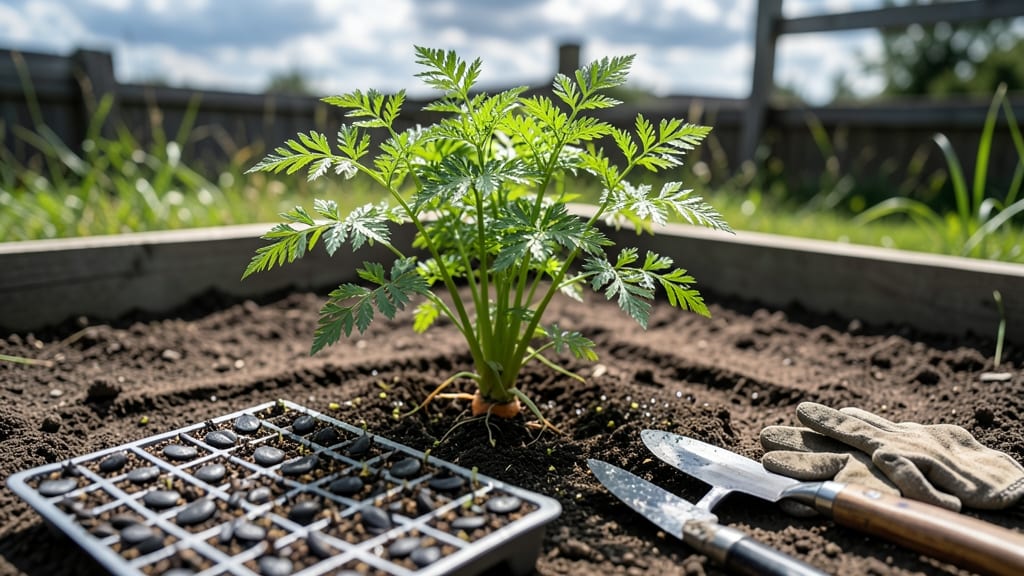
Planting carrot seeds in Michigan at the wrong time means soggy, slow germination or bitter, stunted roots—neither of which you want after waiting all winter for fresh 🥕.
The key isn’t just checking the calendar; it’s knowing when your soil warms to 50–60°F, because cold soil can delay sprouting by weeks.
In zones 5b-6b, that means timing your spring plantings for early April (after the last frost) and fall plantings for mid-July, when summer heat starts to fade.
Here’s the game-changer: Michigan’s short growing season demands precision. Plant too early, and your seeds rot in damp soil; too late, and summer’s heat stresses young plants. I’ll show you how to use a simple soil thermometer to nail the perfect window—no guesswork, just fast, reliable germination every time.
Whether you’re a first-time gardener or a veteran green thumb, these tricks will give you crisp, homegrown carrots from August through October.
Succession planting is your secret weapon for continuous harvests. By spacing out your sowings every 2 weeks in spring and again in late summer, you’ll avoid the “all-at-once” glut and enjoy fresh carrots all season long.
And don’t worry about Michigan’s unpredictable frosts—I’ll walk you through how to protect your crop and extend your growing window without risking failure.
Ready to skip the store-bought carrots and grow your own? Let’s dive into the exact steps to time your plantings for maximum yield, from soil prep to harvest-ready roots. You’ll be pulling those first crisp 🥕 in no time.
Michigan’s ideal carrot planting windows by soil temperature (not just dates)
Carrot seeds need soil temperatures between 50–60°F to germinate reliably—Michigan’s cool springs and variable frost dates make this the real key to success. Calendar dates alone won’t cut it; soil warmth determines whether your seeds sprout in 7–14 days or rot underground.
Here’s how to time it right for both spring and fall plantings.
In Michigan’s USDA Zones 5b–6b, last spring frosts typically arrive by mid-April in the Lower Peninsula and late April in the Upper Peninsula. However, soil may still be too cold for carrots. Use a soil thermometer to confirm—plant only when readings hit 55°F consistently for 3+ days.
For spring plantings, aim for late April to early May in most regions, but adjust 2–3 weeks later in colder northern areas.
In southern Michigan, you can start as early as mid-April if soil warms quickly. Fall plantings should begin by late July to early August, giving roots time to mature before first frost (usually mid-October).
Here’s the breakdown of Michigan’s planting windows by soil temperature and region:
| Planting Window | Soil Temp Requirement | Lower Peninsula | Upper Peninsula |
|---|---|---|---|
| Spring Planting | 50–60°F (minimum 55°F) | Late April–Early May | Late April–Mid-May |
| Fall Planting | 50–60°F (before frost) | Late July–Early August | Mid-July–Late July |
| Succession Planting | 50–60°F (every 2 weeks) | April–June, July–August | May–June, July |
If you’re unsure about soil temperatures, start seeds indoors 4–6 weeks before your target outdoor date. Use biodegradable pots to transplant seedlings once soil warms, reducing transplant shock.
For direct sowing, always plant seeds ¼ inch deep in loose, well-draining soil to prevent forking—a common issue in Michigan’s clay-heavy soils.
Pro tip: Black plastic mulch can warm soil by 5–10°F, letting you plant 2–3 weeks earlier in spring. Lay it down 1–2 weeks before sowing for best results. This trick is especially useful in northern Michigan, where cool soils delay germination.
For fall harvests, prioritize frost-tolerant varieties like ‘Danvers Half Long’ or ‘Nantes’. These mature faster and handle cooler soils better than long-season types. Plant your last fall batch by early August to ensure harvests before hard frosts.
Remember: Carrot seeds are tiny and slow to germinate—don’t rush! If you plant too early and soil is cold, seeds may rot. Wait for that 55°F threshold, and you’ll see sprouts in 7–10 days instead of weeks.
5 Pro tips to extend Michigan’s carrot growing season without risking frosts
Michigan’s short growing season means we can’t afford to waste a single week of carrot-growing potential. The trick is to stagger plantings and use protective methods to extend your harvest window.
I’ve learned that succession planting every 2 weeks in spring and again in late summer keeps my garden producing fresh carrots from July through October—no gaps, no stress.
Start your first spring planting as soon as soil reaches 50°F (usually early April), then repeat every 14 days until early June. For fall, your last planting should go in by mid-July to ensure harvest before hard frosts hit in October.
This method gives you 3-4 harvest batches per season, maximizing your yield without overcrowding.
🌱 Pro Tip: Use a Cold Frame for Early/Fall Plantings
- Week 1: Plant seeds in cold frame when soil is 45°F+ (2 weeks before last frost)
- Week 3: Remove frame when sprouts appear (soil warms naturally)
- Week 5: Thin seedlings to 2 inches apart for proper growth
- Week 8: Harden off plants before full outdoor exposure
Choose frost-tolerant varieties like ‘Danvers Half Long’ or ‘Nantes’ for Michigan’s climate—they handle cooler temperatures better than delicate types. These varieties also resist bolting, which is crucial when summer heat arrives unexpectedly. I’ve found that shade cloth (30%) during peak summer afternoons prevents premature flowering while keeping roots crisp.
For late-season extensions, try row covers after your final planting in July. These lightweight fabrics trap heat during the day and protect from light frosts (down to 25°F) in early October. I’ve harvested carrots straight from the ground in mid-October using this method—something store-bought carrots can’t compete with!
Don’t forget about soil prep for fall plantings. Amend your beds with compost and sand to improve drainage (Michigan’s clay soil can become waterlogged in autumn). This prevents rot and ensures your late-season carrots develop properly before winter sets in.
With these strategies, you’ll transform Michigan’s short season into a continuous carrot harvest. The key is planning ahead—mark your calendar for April 1st, May 15th, June 30th, and July 15th as your planting milestones.
Trust me, your taste buds (and dinner table) will thank you for the fresh, homegrown 🥕 all season long!