
Plants
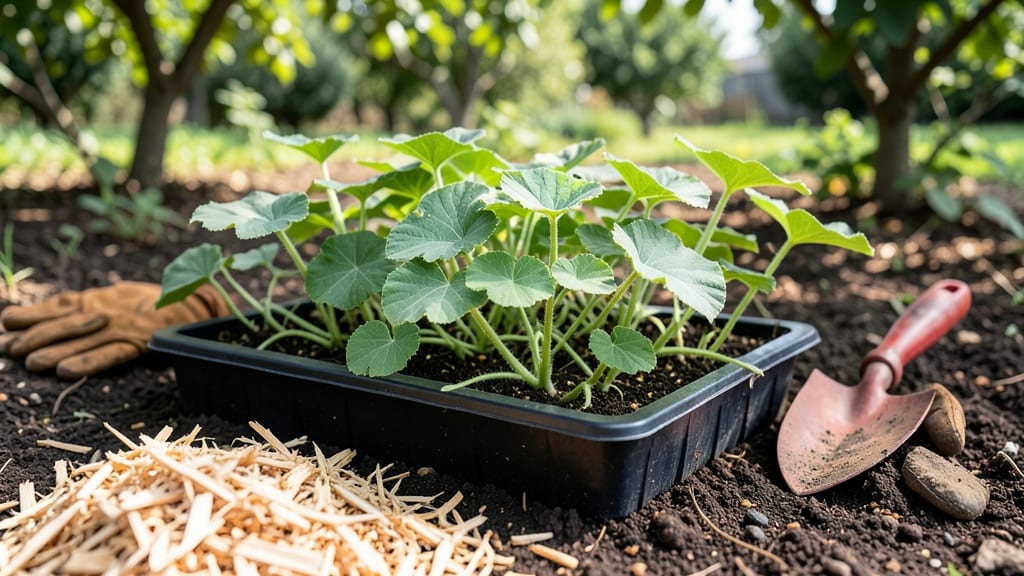
Planting cantaloupe at the wrong time in Oklahoma can turn your garden dreams into disappointment—those bitter melons or no fruit at all are real risks for gardeners who miss the window.
The key to sweet, juicy 🍈 harvests lies in timing, and in USDA Zones 6a-8a, that means waiting until after the last frost but before the heat peaks.
Most Oklahoma gardeners know the general rule: wait until soil warms to 70°F or higher, but the exact dates can vary by microclimate.
In Zone 7a, that typically means aiming for April 15 to May 15, when the risk of frost has passed and the ground is ready for planting. Skipping this window means slower growth or plants struggling to set fruit in the intense summer heat.
Here’s the game-changer: cantaloupe thrives when planted directly in the ground, not indoors, because its roots need that warm soil to establish quickly.
We’ll break down the best varieties for Oklahoma’s climate and how to adjust your planting schedule based on whether you’re in northern or southern parts of the state—so you can avoid common mistakes that ruin harvests.
Ready to grow cantaloupe that’s sweeter and more abundant than ever? Let’s dive into the exact planting times, soil prep tips, and heat management strategies that work for Oklahoma’s unique growing conditions.
Ideal planting dates for cantaloupe in Oklahoma’s USDA Zone 7a
Cantaloupe thrives in Oklahoma’s hot summers, but timing is everything—plant too early, and frost will kill tender seedlings. Too late, and your harvest may arrive just before the first fall frosts.
In USDA Zone 7a, the sweet spot is a 4-6 week window after your last average frost date.
For most of Oklahoma, this means aiming for mid-April to mid-May. However, soil temperature matters more than calendar dates—cantaloupe seeds need soil at least 70°F to germinate reliably.
In northern Oklahoma (like Muskogee), wait until May 1 to avoid late-spring chills, while southern areas (like Lawton) can plant as early as April 15.
Here’s the key rule: Never plant cantaloupe until all frost risk has passed and your soil stays warm consistently. Use a soil thermometer to confirm—if it’s below 70°F, wait a few more days. Black plastic mulch can help warm soil faster if you’re eager to plant early.
Oklahoma’s 180-220 frost-free days give cantaloupe plenty of time to mature, but rushing the process leads to bitter, underripe fruit. Planting too late (after June 1) risks small, seedy melons before fall frosts arrive.
The ideal window balances warm soil, long daylight, and consistent heat—perfect for cantaloupe’s 75-90 day growth cycle.
🌱
| Stage | Action | Notes |
|---|---|---|
| Soil Prep | Test pH (6.0-6.8), amend with compost | Use black plastic mulch to warm soil |
| Planting Window | April 15–May 15 (Zone 7a) | Wait for soil ≥70°F and no frost risk |
| Direct Sowing | 1 inch deep, 2 ft apart | Thin seedlings to strongest 1 per hill |
| Growth Goal | 75–90 days to harvest | Harvest before first frost (Nov 1) |
| Harvest Time | July–September | Twist gently when stem slips |
If you’re tempted to start cantaloupe indoors, resist the urge—these warm-season crops transplant poorly and often bolt (flower prematurely) when moved outside. Instead, direct-sow seeds after your last frost date for the best results.
Oklahoma’s short growing season means every day counts, so focus on fast-maturing varieties like ‘Athena’ (70 days) or ‘Hale’s Best’ (80 days) for Zone 7a.
For gardeners in northern Oklahoma, consider a row cover or cold frame to extend the season slightly. In southern Oklahoma, you might squeeze in a second planting in early June for a late-summer harvest, but be prepared to hand-pollinate if bees are scarce during heatwaves.
Always monitor weather forecasts—a sudden cold snap can devastate young plants.
Pro tip: Mark your planting date and count backward 90 days to estimate your first harvest. This helps you plan for succession plantings or adjust if your season runs long or short. Cantaloupe is a high-reward crop in Oklahoma, but only if you respect its timing needs.
🌞
Ideal planting dates for cantaloupe in Oklahoma’s USDA Zone 7a
Cantaloupe thrives in Oklahoma’s heat, but timing is everything. Plant too early, and frost will kill tender seedlings. Wait too long, and your harvest shrinks before summer’s end.
The perfect window in USDA Zone 7a is mid-April to mid-May, after the last frost date (typically March 15 for northern Oklahoma). This ensures 70°F soil temperatures—critical for germination—and aligns with Oklahoma’s 180-220 frost-free days.
For maximum yields, aim for a 4-6 week planting schedule. Start your first batch around April 15 for early summer harvests (July), then follow with a second batch by May 15 to extend your season until September.
This staggered approach works especially well in southern Oklahoma, where heat arrives earlier.
⚠️ CRITICAL: Never plant cantaloupe before soil reaches 70°F. Use a soil thermometer to check—cold soil delays germination and invites rot. Black plastic mulch can warm soil 5-10°F faster, giving you an edge in cooler microclimates like Muskogee or Tulsa.
🌱 Cantaloupe Planting Timeline for Oklahoma (Zone 7a)
| Stage | Action | Notes |
|---|---|---|
| Soil Prep | Test pH (6.0-6.8), amend with compost | Use raised beds for clay soil |
| Planting Window | April 15–May 15 (after last frost) | Soil temp ≥70°F |
| Germination | 5–10 days (direct sow) | Keep soil moist, not soggy |
| Flowering | June–July | Hand-pollinate if bees are scarce |
| Harvest | July–September | Twist gently at stem |
💡 Pro Tip: Oklahoma’s heat tolerance lets cantaloupe thrive in summer, but late-spring planting (May) risks bolting (premature flowering). Balance sun and soil moisture!
If you’re in northern Oklahoma (e.g., Oklahoma City), push planting to late April to avoid late frosts. In southern regions (e.g., Lawton), you can start as early as mid-April—just monitor soil temps closely. Heat-loving varieties like ‘Athena’ or ‘Hale’s Best’ perform best in Oklahoma’s climate.
For a second harvest, try a late-June planting in southern Oklahoma. Use row covers to protect young plants from summer squash bugs or aphids, which thrive in Oklahoma’s humidity. Succession planting every 2 weeks after your initial date keeps fruit coming all summer.
Remember: Cantaloupe hates cold feet. Even a 50°F night can stunt growth. Use straw mulch to insulate roots and drip irrigation to maintain even moisture—critical in Oklahoma’s unpredictable rain patterns. With the right timing, you’ll go from seed to sweet, ripe cantaloupe in just 75 days! 🍈