
Plants
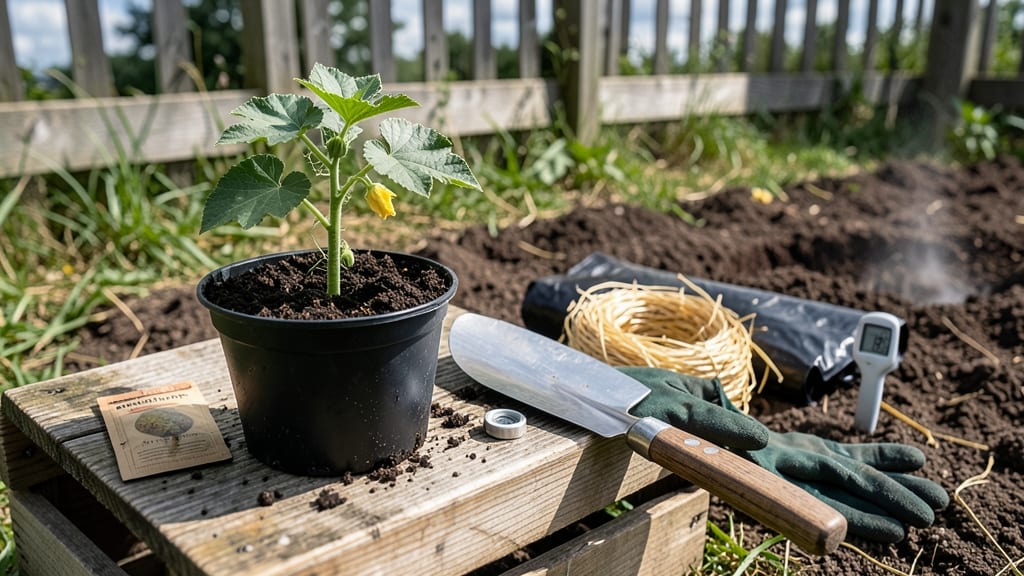
Planting cantaloupe in Alabama isn't just about dropping seeds in the dirt—it's about catching that narrow window when your soil is warm enough to spark fast germination and your nights stay frost-free.
Too early, and you'll waste time waiting for heat; too late, and you might miss the sweet harvest before fall sets in.
I've learned the hard way that Alabama's 7b-8b climate demands patience—waiting until soil hits at least 70°F before planting is the key to avoiding weak, leggy seedlings.
That usually means holding off until mid-April to early May, right after your last frost date, which can vary wildly from North to South Alabama.
What sets successful cantaloupe growers apart? They don't just check calendars—they monitor soil temperatures with simple tools and use tricks like black plastic mulch to give their plants a head start.
With the right timing, you could be enjoying your first ripe 🍉 by July, beating the heat and pests before they peak.
Ready to grow cantaloupe that thrives? I'll walk you through exactly how to time your planting for maximum yield, from seed starting to transplanting, so you can enjoy that first juicy bite before Alabama's summer really kicks in.
Best planting timeline for Alabama cantaloupe: seed starting vs transplant dates
Alabama’s USDA zones 7b-8b offer a 210-day frost-free window, perfect for cantaloupe—but timing your seed starting and transplanting is critical. The last frost date varies by region: mid-March in North Alabama (e.g., Huntsville) and early March in South Alabama (e.g., Mobile).
For best results, aim to transplant after soil reaches 75°F+, which typically happens in late April to early May.
Northern Alabama gardeners (zones 7a-7b) should start seeds indoors 3-4 weeks before the last frost, around mid-February. Southern Alabama gardeners (zones 8a-8b) can start seeds directly outdoors in late March once nighttime temps stay above 55°F.
The key is avoiding cold soil, which slows germination and invites damping-off disease.
Transplanting too early—before May 15 in most areas—risks frost damage to young vines. Wait until all frost risk passes and soil warms to 70°F+ for 5 consecutive days.
In South Alabama, this often means transplanting by April 15, while North Alabama may need to wait until May 1.
Here’s how Alabama’s microclimates break down for cantaloupe planting:
For extended harvests, Southern Alabama gardeners can make a second planting in June for a fall crop, but yields will be smaller. Use fast-maturing varieties like 'Athena' (70 days) or 'Hale’s Best' (80 days) to maximize success.
Northern gardeners should stick to one spring planting to avoid early fall frosts.
Pro tip: Use biodegradable pots for seedlings to avoid transplant shock. Harden off seedlings for 7-10 days before transplanting by gradually exposing them to outdoor conditions during the day and bringing them in at night. This mimics Alabama’s warm spring days and cool nights.
After transplanting, mulch with straw or black plastic to retain soil moisture and speed up vine establishment. Cantaloupe vines spread 3-6 feet, so space plants 3 feet apart in rows 5 feet apart.
In windy areas (common in North Alabama), consider a low trellis to support vines and prevent root exposure.
Monitor for cucumber beetles and squash vine borers, which thrive in Alabama’s heat. Use row covers early in the season to protect young plants. Once vines establish, handpick pests or use neem oil for organic control.
With the right timing, your cantaloupe will bloom in 3-4 weeks and produce ripe fruit in 75-90 days. Alabama’s long, hot summers are ideal—just don’t rush the planting! 🍉
Soil temperature checklist: how to test and prepare for cantaloupe germination
Testing your soil temperature is the secret weapon for Alabama cantaloupe growers. Cantaloupe seeds need soil that’s at least 70°F to germinate, but they thrive when it reaches 75°F+. Without this warmth, your seeds might rot or take weeks to sprout—wasting precious growing time.
I’ve found that using a simple soil thermometer (available for under $10) saves countless headaches. Stick it in the ground where you plan to plant, check it daily, and wait until temperatures stay consistently warm for at least 7 days before planting. This consistency is key—fluctuations can stall germination.
For gardeners in North Alabama (Zone 7b), this usually means waiting until mid-to-late April. In South Alabama (Zone 8b), you might start as early as early April. But don’t guess—your thermometer won’t lie.
🌱 7-Day Soil Temperature Checklist
- 🌡️ Day 1-3: Monitor morning/evening temps with a soil thermometer
- 📉 Day 4-5: Ensure temps stay above 65°F for 24+ hours
- ⚡ Day 6-7: Confirm 70°F+ consistency before planting seeds
- 🔥 Pro Tip: Use black plastic mulch to raise soil temps by 5-10°F faster
If your soil is still too cold, don’t panic. Lay down black plastic mulch 1-2 weeks before planting to warm the ground naturally. This trick can shave off critical weeks in Alabama’s unpredictable spring. Just remember to remove it after planting—you don’t want to smother your seedlings.
Another pro move? Plant cantaloupe on raised beds or hills. Warmer air circulates better around the soil, giving your seeds a head start. I’ve seen germination improve by 3-5 days just by elevating the planting area slightly.
Once your soil hits the sweet spot, plant seeds 1 inch deep and space them 2 feet apart. Thin seedlings to 18-24 inches apart when they’re 2-3 inches tall. This spacing gives vines room to spread and reduces competition for nutrients.
With your soil temperature checked and ready, you’re one step closer to a bumper cantaloupe crop. Next, we’ll cover the 5 biggest mistakes Alabama gardeners make—and how to avoid them entirely. Trust me, skipping these can mean the difference between a sweet harvest and a bitter disappointment.