
Plants
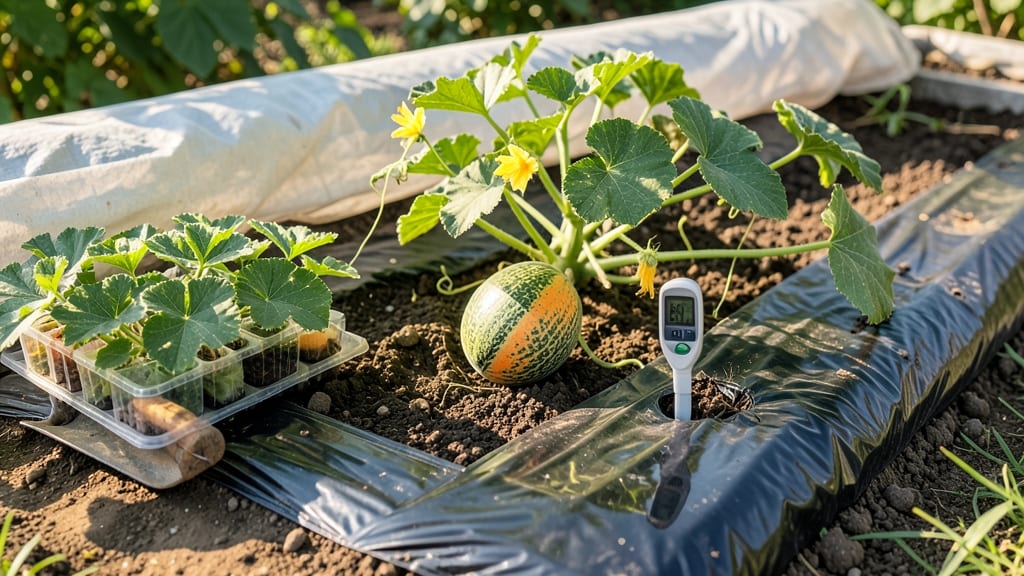
Planting cantaloupe in Missouri at the wrong time means watching your vines wilt under late frosts—or worse, never producing those sweet, fragrant 🍈 melons you crave. The key to success? Timing it perfectly after the last frost, when soil temperatures hit that sweet spot of 60°F or warmer.
Missouri’s 5b-6b zones give you a narrow window—typically late April to early May—to get seeds in the ground, but even that can vary wildly from St. Louis to Kansas City.
I’ve learned the hard way that rushing too early or waiting too long can mean the difference between a bumper crop and a sad, shriveled vine.
In this guide, I’ll walk you through the exact planting schedule, soil prep tips, and even which cantaloupe varieties thrive best in Missouri’s short growing season.
Whether you’re a first-time gardener or a seasoned pro, these tricks will help you beat the heat zone deadlines and enjoy homegrown cantaloupe by July.
Ready to turn your garden into a melon patch? Let’s dive into the step-by-step Missouri planting calendar that actually works—no frost disasters included.
Missouri’s cantaloupe planting heat zones: exact last-frost deadlines by region
Missouri’s USDA zones 5b-7a create a tricky balance for cantaloupe growers—too early and frost zaps tender seedlings, too late and your 70-day harvest window shrinks. The key? Planting after your region’s last frost date and when soil hits 60°F+.
Northern Missouri (Kansas City, St. Joseph) typically waits until mid-May, while southern areas (Springfield, Poplar Bluff) can start as early as late April.
Microclimates add another layer: Urban heat islands (like St. Louis) warm up faster, while river valleys (e.g., near the Missouri River) hold cold longer. For example, Columbia’s 2023 last frost was April 22, but frost lingered in low-lying areas until May 5.
Use local frost data from sources like the Missouri Climate Center to fine-tune your timing.
Here’s how to decode Missouri’s frost-free windows for cantaloupe success:
| Region | Last Frost (Avg.) | Safe Planting Window | Soil Temp Trigger | Harvest Window |
|---|---|---|---|---|
| Northern MO (Kansas City, St. Joseph) | May 10–15 | Mid-May (after May 15) | 60°F+ (use black plastic mulch) | Late July–early Sept |
| Central MO (Columbia, Jefferson City) | April 25–May 5 | Late April–early May | 60°F+ (test with soil thermometer) | Mid-July–mid-August |
| Southern MO (Springfield, Poplar Bluff) | April 10–20 | Late April (after April 20) | 58°F+ (earlier risk of cold snaps) | Early July–late August |
| Urban Heat Islands (St. Louis, Kansas City) | April 15–25 (earlier than rural) | Early May (1 week earlier than rural) | 60°F+ (heat islands warm soil faster) | Late July–early Sept |
🌱 Pro Tip: Use black plastic mulch to raise soil temps by 5–10°F, letting you plant 1–2 weeks earlier in cooler zones.
For direct sowing (planting seeds outdoors), aim for 2–3 weeks after your last frost date—this gives seedlings time to establish roots before summer heat peaks.
If you’re transplanting starts, harden them off for 7–10 days before setting them out after May 1 in most of Missouri. Northern Missouri gardeners should wait until after May 15 to avoid late frosts.
Missouri’s short growing season (only ~165 frost-free days) means cantaloupe needs to be planted aggressively early to mature before the first frost in mid-October.
Varieties with 70–75 days to maturity (like ‘Athena’) are your best bet for northern regions, while faster-maturing types (like ‘Hale’s Best’) work well in southern Missouri.
One critical mistake Missouri gardeners make? Planting too late to account for slow soil warming. Test soil temps with a soil thermometer—cantaloupe roots won’t grow until the soil hits 60°F, and vines need 75°F+ air temps to thrive.
If your soil is still cold in May, use row covers or greenhouse tunnels to create a warmer microclimate.
Don’t overlook succession planting for a longer harvest.
In southern Missouri, you can squeeze in a second planting in early June for late-summer melons, but northern growers should stick to one planting window to avoid frost risk. Black plastic mulch isn’t just for warming soil—it also suppresses weeds and retains moisture, both critical for cantaloupe’s shallow roots.
Missouri’s humidity and summer heat (often 90°F+) can stress cantaloupe vines, so mulching and drip irrigation are non-negotiable. Pair your planting with companion plants like bush beans or radishes to improve soil structure
Step-by-step Missouri cantaloupe planting calendar: from seed to vine
Missouri’s cantaloupe vines need warm soil and consistent heat to thrive, so your planting schedule must align with soil temperatures—not just air temps. I’ve broken this down into monthly milestones to ensure you’re ready for the 75°F+ soil trigger that’s critical for germination.
Start by testing your soil’s readiness with a soil thermometer—cantaloupes won’t sprout until the ground hits 60°F (15°C). In Missouri, this typically happens mid-to-late April in southern regions but can delay until early May in northern zones like St. Louis or Kansas City.
🌱 April (Soil Prep Month):
- Test soil pH (aim for 6.0-6.8) and amend with compost or aged manure.
- Choose a sunny spot with 8+ hours of direct sunlight—cantaloupes are sun-worshippers.
- Use black plastic mulch to warm soil faster and suppress weeds.
- 🌱 April 15-30: Prep soil, test pH, add compost, and lay black plastic mulch.
- 🌱 Late April-Early May: Direct-sow seeds 1 inch deep, 2 feet apart in hills (3 seeds per hill).
- 🌱 May 10-20: Thin seedlings to 1 strong plant per hill, ensuring 3-4 feet between hills.
- ☀️ June 1-15: Apply balanced fertilizer (5-10-10) when vines hit 12 inches tall.
- 🍈 July-August: Harvest when the stem slips easily and the melon smells sweet near the blossom end.
If you’re starting cantaloupe indoors (which I recommend for northern Missouri gardeners), begin seeds 4-6 weeks before your last frost date—typically early March—using biodegradable pots to avoid transplant shock. Harden off seedlings for 7-10 days before transplanting after the last frost date (usually mid-to-late May).
For succession planting, sow a second batch 2-3 weeks after your first planting to extend your harvest window. Cantaloupes need 70-90 days to mature, so this ensures ripe fruit even if summer cools unexpectedly.
Just remember: no cantaloupe loves a late frost—always have a row cover ready for emergencies.
Pro tip: Mulch heavily after transplanting to retain moisture and prevent soil-borne diseases. Cantaloupes are thirsty plants, but they hate soggy roots, so water deeply in the morning—never overhead in the evening. Aim for 1-2 inches of water per week, adjusting for rain.
🌿 Key Takeaway: Missouri’s cantaloupe success hinges on soil temperature, sunlight, and timing. Miss the 75°F soil mark, and your seeds won’t sprout. Embrace the black plastic mulch hack, and you’ll shave weeks off the warming process—guaranteed sweeter, earlier melons for your effort. 🍈