
Plants
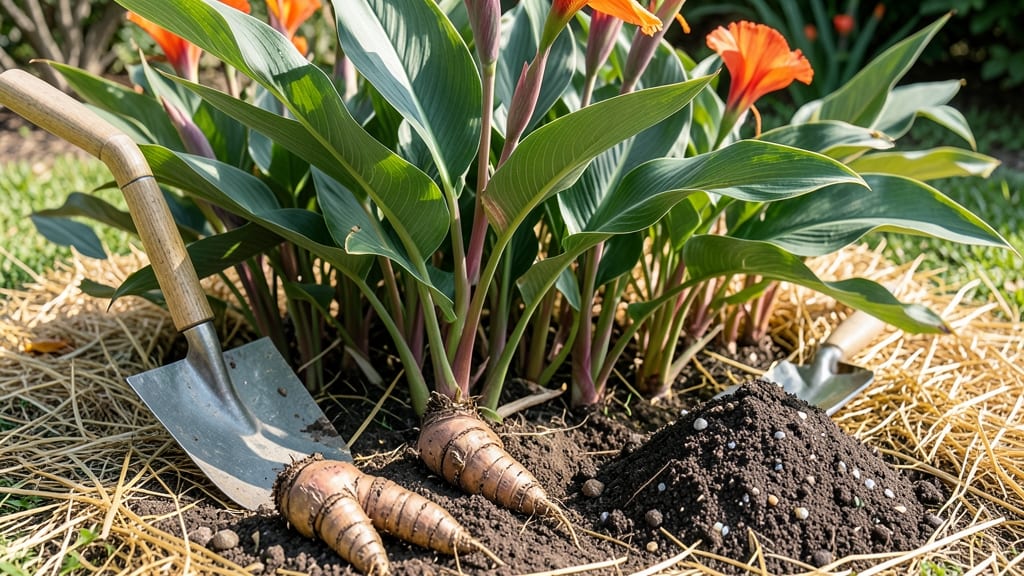
Planting cannas in Kansas at the wrong time means waving goodbye to those stunning 🌺 blooms before they even begin. The key to success isn’t just waiting for spring—it’s knowing exactly when your soil and climate are ready to welcome these tropical showstoppers without frost risk.
For Kansas gardeners in zones 5b-6b, timing is everything—typically after the mid-April last-frost date, once soil hits a steady 60°F. But here’s the catch: rushing too early can leave your tubers vulnerable, while waiting too long might delay those dramatic 6-foot-tall blooms until late summer.
I’ve tested the best strategies to maximize your cannas’ potential, from soil prep tricks to choosing the right varieties for your microclimate. Whether you’re a first-time planter or a seasoned gardener, these insights will help you avoid common pitfalls and get the most vibrant display possible.
Let’s dive into the exact steps to plant your cannas at the perfect moment—so you can enjoy bold blooms from August through October without the guesswork.
Kansas heat-Zone planting dates for cannas: when to start in soil
Kansas’ USDA Zones 5b-7a mean your last frost date varies from mid-April in northern Kansas to early April in southern regions. Cannas (Canna × generalis) thrive when soil temperatures hit 60°F+, so timing your planting after frost ensures vigorous growth and bold blooms by summer.
For most of Kansas, this lands in late April to early May, but let’s break it down by zone.
If you’re in Zone 5b (northern Kansas), wait until after May 1—earlier planting risks frost damage to tender rhizomes. Gardeners in Zone 6b (central/southern Kansas) can plant as early as mid-April, but always check your local frost forecast for precision.
Pro tip: Use a soil thermometer to confirm 60°F soil temps before planting.
For container gardening, you can push the timeline slightly earlier. Containers warm faster, so late March to early April works for Zone 6b-7a, but move pots indoors or use row covers if nights dip below 40°F.
Just ensure containers have drainage holes to prevent root rot—a common issue in Kansas’ clay-heavy soils.
⚠️ Critical: Never plant cannas before the last frost date unless you’re using season extenders (we’ll cover those in the next section). Frost will kill canna rhizomes, and replanting is a waste of time and money. Stick to the soil temperature rule for foolproof success.
| USDA Zone | Last Frost Date | Ideal Planting Window | Soil Temp Requirement | Notes |
|---|---|---|---|---|
| 5b (Northern KS) | Mid-April | May 1–15 | 60°F+ | Wait for consistent warmth; use row covers if early planting. |
| 6a (Central KS) | Early April | Late April–early May | 60°F+ | Best for early blooms; monitor nighttime temps. |
| 6b–7a (Southern KS) | Late March | Mid-April–May 1 | 60°F+ | Can plant earlier in containers with protection. |
Once you’ve nailed the planting window, focus on soil prep. Cannas love rich, well-draining soil with a pH of 6.0–7.0. In Kansas, where clay soil is common, amend with compost or peat moss to improve drainage.
Work in a balanced fertilizer (5-10-10) at planting to give your cannas a nutrient boost for the growing season ahead.
Plant rhizomes (not seeds) 2–4 inches deep, spacing them 12–18 inches apart for dwarf varieties or up to 3 feet apart for standard-sized cannas. In Zone 5b, add a 4-inch layer of mulch to protect rhizomes from late spring frosts and retain moisture.
Water deeply after planting to encourage root establishment.
If you’re in southern Kansas (Zone 7a), you can even plant cannas in early March under row covers or in greenhouses. Just be prepared to harden off plants gradually if moving them outdoors later.
The key is balancing warmth and protection—cannas are tender perennials that won’t survive frost, but with the right timing, they’ll reward you with stunning summer blooms.
For container growers, choose pots at least 12 inches deep with drainage holes. Use a lightweight potting mix blended with perlite to prevent compaction. Place containers in full sun and water every 5–7 days—containers dry out faster than in-ground beds.
Move pots indoors before first frost (mid-October) to save rhizomes for next year.
Remember: Patience pays off. Rushing cannas into cold soil stunts growth, while waiting too long means missed blooms. Stick to the 60°F soil rule, and your Kansas garden will burst with vibrant canna flowers from July to frost
How to extend your Kansas canna season: tips for early/late planting
If you’re eager to plant cannas but worried about Kansas’ unpredictable spring frosts, don’t fret! With the right strategies, you can safely push your planting window earlier or extend it later without sacrificing those show-stopping blooms.
The key lies in heat-tolerant varieties and protective techniques tailored to your USDA zone.
For gardeners in northern Kansas (Zone 5b), where frost lingers longer, focus on cold-hardy varieties like ‘Pactolus’ or ‘Stuttgart’—these thrive even when nights dip near 40°F. In southern Kansas (Zone 7a), you’ve got more flexibility, but heat waves can stress young plants, so timing remains critical.
Here are my top season-extending tactics to maximize your canna season, complete with risk assessments to help you decide what works best for your garden.
-
1. Use Row Covers for Early Planting
Plant rhizomes 2-3 weeks before your average last frost date (e.g., early April in Zone 6b). Cover with floating row covers to trap heat and shield from 28°F+ frosts. Remove covers once soil warms to 55°F. -
2. Start in Containers for Late Planting
Delay planting until mid-May by using 5-gallon pots filled with heat-retentive soil. Move containers to south-facing spots for extra warmth. Risk: Root-bound stress if left too long. -
3. Choose Heat-Tolerant Varieties
Opt for ‘Cleopatra’ or ‘Wyoming’—these handle 90°F+ temps better than standard types. Plant 1-2 weeks later than average for Zone 5b gardeners. -
4. Mulch Heavily for Soil Warmth
Apply 4-6 inches of straw mulch over planted rhizomes to retain heat and prevent soil temp drops. Ideal for late April plantings in Zone 6a. -
5. Use Cold Frames for Microclimates
Plant in cold frames by March 15 in Zone 7a. Frames add 5-10°F warmth, letting you start 6 weeks early. Risk: Overheating if temps exceed 85°F.
For early planting, I recommend testing soil temps in March—if it’s 50°F or warmer, you can safely plant with row covers.
If you’re pushing the late season, aim for June 1 as your cutoff; beyond that, cannas struggle to establish roots before fall frosts hit in mid-October.
Remember, heat-tolerant varieties like ‘Cleopatra’ or ‘Wyoming’ are your best friends for Zone 5b gardeners. These can handle 90°F+ afternoons without wilting, giving you a longer bloom window from July through September. Pair them with deep watering (1-2 gallons per plant) to keep roots cool.
If you’re in southern Kansas (Zone 7a), you’ve got until June 15 to plant—just be prepared to water deeply every 3-5 days during summer droughts. The trade-off? You’ll enjoy taller, more vibrant blooms thanks to the extra growing time.
🌺