
Plants
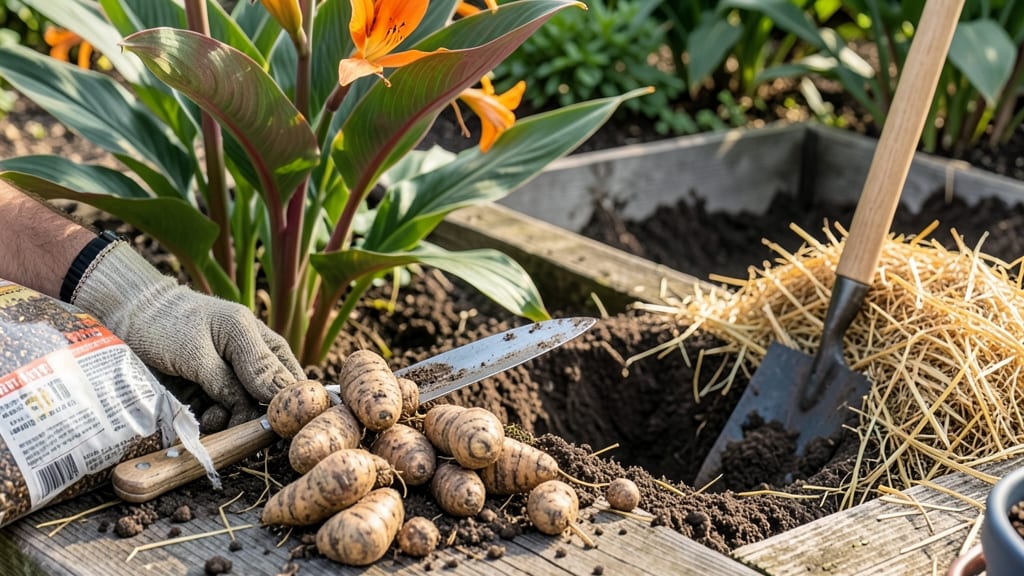
Planting your Canna Lily 🌺 bulbs at the wrong time in Wisconsin could mean missed summer blooms or frost-damaged tubers—neither of which you want.
The key to success lies in waiting until after the last frost, when soil temperatures hit 60°F+, typically between mid-May and late May in Zone 5B/6A.
Why does timing matter so much? Canna bulbs are tropical plants that won’t tolerate cold soil, and Wisconsin’s unpredictable springs make early planting risky. If you plant too soon, frost can kill emerging shoots, while waiting too long cuts your blooming season short.
In this guide, I’ll break down the exact frost-free planting window for Wisconsin, including backup strategies for late springs. You’ll also learn how to prep your soil, choose the right varieties, and decide whether to treat your Canna Lily as an annual or dig up tubers for winter storage.
Whether you’re a first-time gardener or a seasoned pro, these tips will help you maximize your Canna Lily’s vibrant summer display—without the guesswork. Let’s get your garden ready for a show-stopping season!
Wisconsin’s frost-free timeline for planting canna bulbs (zone 5B/6A)
Wisconsin’s Zone 5B/6A climate demands precision when planting canna bulbs. These tropical beauties need soil temperatures above 60°F and frost-free conditions to thrive. According to UW Extension data, average last frost dates range from May 10 (southern WI) to May 25 (northern WI), but soil warming takes time.
Waiting for consistent 60°F+ soil temps (typically late May) ensures robust growth.
Canna bulbs are not winter-hardy in Wisconsin, so they’re treated as annuals or dug up before frost. The 165-day frost-free window gives you just enough time for 90-150 days of growth before first frost (mid-October). Early planting maximizes bloom time, but rushing risks frost damage to tender shoots.
Here’s your week-by-week planting timeline based on Wisconsin’s climate patterns, including soil prep and hardiness notes:
| Stage | Action | Notes |
|---|---|---|
| Early April | Soil prep: Add compost, loosen 6-8 inches deep | Improves drainage for tuber roots |
| Mid-April | Start black plastic mulch to warm soil | Raises soil temp by 5-10°F faster |
| Late April | Monitor soil thermometer (aim for 60°F+) | Use minimum/maximum readings |
| May 10–25 | Plant bulbs 2–3 inches deep, 12–18 inches apart | Use larger tubers for earlier blooms |
| June 1–15 | Apply balanced fertilizer (5-10-10) | Encourages leafy growth and blooms |
| July–August | Water deeply weekly, morning only | Prevents root rot in heavy clay soils |
| Late September | Dig up tubers before first frost | Store in dry peat moss at 40–50°F |
For southern Wisconsin (Zone 6A), you can plant as early as mid-May when soil reaches 60°F. In northern Wisconsin (Zone 5B), wait until late May to avoid late spring frosts. Pro tip: Use a soil thermometer—canna bulbs won’t sprout until soil hits 65°F consistently.
If your spring is unpredictable, consider container gardening for delayed planting. Containers warm up faster and can be moved indoors if frost threatens. Just ensure pots have drainage holes to prevent waterlogged roots, which can kill cannas in 3–5 days.
Choose early-blooming varieties like ‘Striped’ or ‘Pactolus’ to maximize your 90-day bloom window. These varieties often flower 4–6 weeks earlier than standard types, giving you more time to enjoy their vibrant tropical blooms before frost.
Remember: Canna bulbs are not frost-tolerant. Even a light frost (28°F) can damage new shoots. If frost is forecasted after planting, cover young plants with frost cloth or move containers to a sheltered location until temperatures rise.
For gardeners in Zone 5B, consider extending your season with black plastic mulch or row covers. These can push your planting window back by 2–3 weeks by trapping heat in the soil. Just remove covers once plants are 12 inches tall to avoid overheating.
Wisconsin’s short growing season can make it tricky to enjoy canna blooms all summer. The key? Start early, protect young plants, and use smart tricks to warm soil faster. I’ve tested these methods in my Zone 5B garden, and they’ve added 4-6 weeks of vibrant canna flowers! First, choose early-blooming varieties like ‘Striped’ or ‘Pactolus’. These varieties mature 3-4 weeks faster than standard types, giving you a head start. Pair them with black plastic mulch—this raises soil temps by 5-10°F, letting you plant 2 weeks earlier than the average last frost date.How to extend your canna blooming season in Wisconsin’s short growing season
🌱 5 Quick Ways to Extend Your Canna Season
For late springs, I’ve had success with soil warming methods. Laying clear plastic over garden beds 4-6 weeks before the average last frost date raises soil temps by 3-5°F. Combine this with black plastic mulch after planting, and you’ll create a microclimate that mimics a longer summer.
Container gardening is another lifesaver. Plant canna bulbs in 5-gallon pots filled with well-draining potting mix. Place them in a sunny spot and move them indoors (to a garage or shed) if frost threatens. This buys you 2-3 extra weeks of growth before the first frost.
Don’t forget to fertilize strategically. Apply a balanced 5-10-10 fertilizer at planting, then feed again in early June to boost flowering. Stop fertilizing by mid-August to let plants prepare for dormancy—this prevents late-season growth that frost can damage.
With these tricks, my cannas bloom from early July until mid-October, even in Wisconsin’s chilly climate. The secret? Start early, protect young plants, and work with your short season instead of against it. 🌺