
Plants
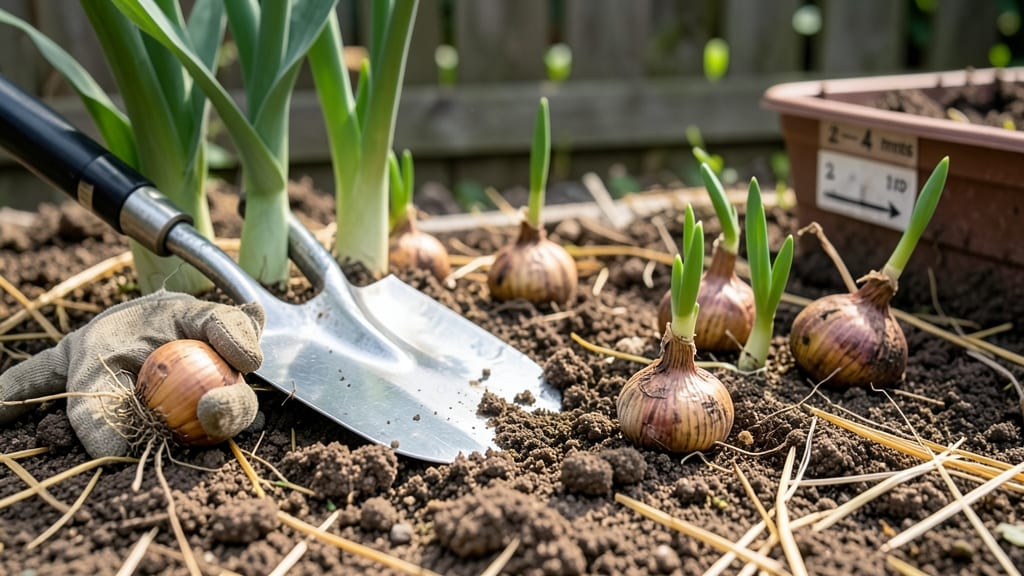
Planting your Calla Lily 🌸 bulbs at the wrong time in Ontario could mean the difference between a stunning summer display and a sad, wilted disappointment. The key to success? Timing it perfectly after the last frost—typically mid-May—when the soil finally warms to 60°F (15°C).
I’ve learned the hard way that rushing these tropical beauties into cold soil leads to rot, while waiting too long cuts your blooming season short. Ontario’s 5b-6a zones demand patience, but with the right approach, you can coax vibrant flowers from mid to late summer—even in our unpredictable climate.
In this guide, I’ll walk you through the exact frost-free window for your region, soil prep secrets, and smart planting hacks to extend your Calla Lily 🌸 season.
Whether you’re a first-time gardener or a seasoned pro, these steps will help you avoid common mistakes and get the most from your bulbs.
Ready to transform your garden? Let’s dive into the step-by-step timeline that’ll have your calla lilies thriving all season long—no guesswork required.
Ontario’s ideal calla lily planting timeline by frost zone
Ontario’s frost dates vary dramatically from south to north, making timing everything for calla lily bulbs. In Southern Ontario (zones 5-6), where cities like Toronto and London thrive, the last frost typically hits mid-May.
Meanwhile, Northern Ontario (zones 4-5), including regions like Sudbury and Thunder Bay, can see frost lingering until late May or June. This shift means your planting window must be flexible—aim for 2-3 weeks after your area’s last frost date when soil warms to 60°F (15°C).
Calla lilies are tender bulbs that despise cold soil. Planting too early in chilly Ontario springs risks bulb rot from lingering moisture and cold. Conversely, waiting too late cuts your blooming season short. The key is balancing soil warmth with frost-free certainty.
For most of Ontario, this means late May to early June is your sweet spot, but always verify local frost predictions from sources like Environment Canada.
Here’s the critical rule: Never plant calla lilies in frozen or cold soil. Even if frost warnings are gone, soil temperature matters more. Use a soil thermometer to confirm readiness—60°F (15°C) at 4 inches deep is your green light.
In urban Ontario gardens, pavement and buildings can create microclimates that warm soil faster, so adjust your timeline accordingly.
For container gardening, which is ideal for Northern Ontario’s shorter seasons, you can push planting slightly later. Containers warm up faster than garden beds, giving you a 1-2 week extension in the planting window.
Just ensure your pots have drainage holes to prevent waterlogging, a common issue in Ontario’s clay-heavy soils.
| Region | USDA Zone | Last Frost Date | Ideal Planting Window | Soil Temp Threshold |
|---|---|---|---|---|
| Southern Ontario (Toronto, London) | 5b-6a | Mid-May | Late May to early June | 60°F (15°C) |
| Central Ontario (Barrie, Peterborough) | 5a-5b | Late May | Early to mid-June | 60°F (15°C) |
| Northern Ontario (Sudbury, Thunder Bay) | 4a-4b | Late May to early June | Mid-June | 60°F (15°C) |
If you’re in Southern Ontario, you can experiment with early planting in protected microclimates, like near south-facing walls or under cloches. However, always have a backup plan: cover bulbs with frost blankets if late frosts strike.
In Northern Ontario, prioritize late planting—even if it means shorter blooms—to avoid frost damage entirely.
Pro tip: Stagger your planting by 2-3 weeks for a prolonged bloom time. Plant half your bulbs in late May and the rest in early June.
This ensures some flowers will bloom early, while others extend your season into late summer or early fall, just before Ontario’s first frost in mid-October.
For container gardeners, start bulbs indoors 6-8 weeks before your target outdoor planting date. Use well-draining potting mix and place containers in a bright, indirect light spot. Harden off plants for 1 week before moving them outdoors to avoid transplant shock.
Remember, Ontario’s short growing season demands efficiency. By aligning your planting with soil temperature and frost-free dates, you’ll maximize your calla lilies’ potential. With the right timing, you’ll enjoy vibrant blooms from July to September, even in Canada’s unpredictable climate.
🌸
Signs your soil is ready for calla lily bulbs in Ontario
Before you even think about planting your Calla Lily 🌸 bulbs, you need to confirm your soil is truly ready. Cold, damp soil is a death sentence for these tropical plants—waiting for the right conditions prevents bulb rot and ensures strong roots.
In Ontario, this means checking soil temperature, moisture, and drainage before the last frost.
I’ve seen too many gardeners rush planting because they’re eager for blooms, only to have their bulbs turn mushy. The key is patience: your soil must be at least 60°F (15°C) and free of lingering frost pockets.
Let’s break down the critical signs your soil is ready for calla lilies.
Cold Soil Warning
Planting in cold soil (below 60°F/15°C) causes bulb rot and stunted growth. Use a soil thermometer to confirm warmth—especially in clay-heavy Ontario soils, which stay cold longer.
Start by testing your soil’s temperature in the morning after a frost-free week. Dig down 2–3 inches—this is where your calla lily bulbs will sit. If the soil feels chilly to the touch, it’s not ready.
In Southern Ontario (zones 5b-6a), this usually aligns with late May, while Northern Ontario (zones 4-5) may need to wait until early June.
Next, check for proper drainage. Calla lilies hate soggy roots, and Ontario’s clay soils can trap moisture. Dig a small hole, fill it with water, and time how long it takes to drain.
If water pools after 30 minutes, amend your soil with compost or perlite to improve aeration. Urban gardens often need extra attention here—container planting can be a lifesaver.
Moisture balance is another critical factor. While calla lilies love consistent moisture, they’ll rot if planted in waterlogged soil. After a dry spell, let the soil dry out slightly before planting.
A simple finger test works: if the top 2 inches feel damp but not soggy, you’re in the clear. Mulching later will help retain this balance.
Finally, watch for residual frost pockets, common in low-lying areas or shaded spots. Even after the official last frost date, these zones can stay cold longer. Plant in sunny, elevated spots to avoid surprises. If you’re unsure, use frost cloth for the first week to protect young shoots.
Once your soil passes these checks, your calla lilies will thrive all summer long. The payoff? Stunning blooms from mid to late summer—no more missed opportunities! 🌸