
Plants
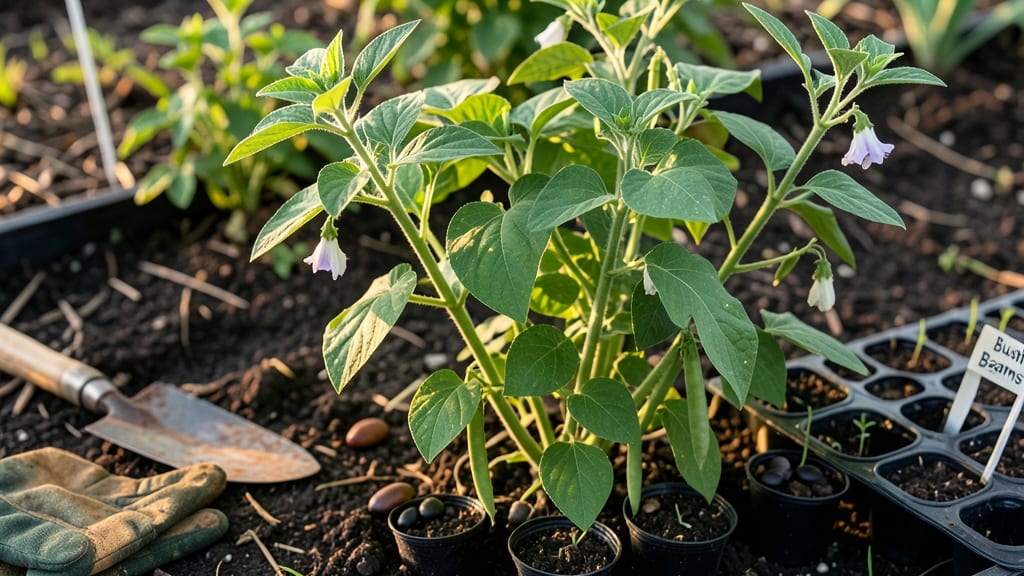
Planting bush beans 🌱 at the wrong time in Florida can mean the difference between sweet, tender pods and bitter, stunted harvests—especially when coastal and inland microclimates behave so differently.
While most gardeners assume spring is the only window, Florida’s 9a-11 zones actually allow two prime planting seasons if you time it right.
If you’ve ever struggled with bush beans bolting in summer heat or failing to thrive in early spring, the key lies in understanding your region’s unique frost-free timeline and soil warmth patterns.
Coastal areas like Miami can start as early as February, while inland zones like Orlando should wait until March to avoid cold snaps. But here’s the secret: with the right adjustments, you can extend your harvest into fall too.
I’ll break down exactly when to plant for maximum yields—whether you’re in North Florida’s cooler pockets or South Florida’s steamy summers—and how to use succession planting to keep your garden producing month after month. No more guessing games, just proven timing that works for Florida’s quirks.
Ready to transform your garden into a bush bean powerhouse? Let’s dive into the coastal vs. inland planting secrets that’ll have you picking fresh pods from April through November.
Optimal planting windows for bush beans in Florida’s coastal vs inland regions
Florida’s diverse microclimates create two distinct planting zones for bush beans: coastal areas with moderate temperatures and inland regions that can experience more extreme heat. Getting the timing right means the difference between sweet, tender pods and bitter, stringy harvests.
Let’s break down the best planting windows for each region, including soil temperature thresholds and frost-free considerations.
In North Florida (USDA Zones 8a-9a), where cooler temperatures linger longer, the ideal time to plant bush beans is late February to early March for spring harvests. Coastal areas like Jacksonville or Daytona Beach can start slightly earlier—around mid-January—thanks to milder winters.
For fall plantings, aim for mid-August to early September to avoid the brutal summer heat while still capturing the cooler months.
South Florida (Zones 10a-11) enjoys a longer growing season, allowing for year-round production with careful timing. Plant in January-February for spring harvests and August-September for fall yields. Coastal cities like Miami or Fort Lauderdale can even squeeze in a third planting in late October for winter harvests, though pods may be smaller.
Soil temperature is critical—bush beans won’t germinate well below 60°F. Use a soil thermometer to confirm readiness, especially in inland areas where nights stay cooler. In North Florida’s Panhandle, wait until soil warms to 65°F to ensure strong germination.
Here’s how coastal vs. inland conditions affect your planting schedule:
| Factor | Coastal Florida | Inland Florida |
|---|---|---|
| Spring Planting Window | Mid-January to early March | Late February to early March |
| Fall Planting Window | Mid-August to early September | Late August to mid-September |
| Soil Temp Threshold | 60°F (cooler nights) | 65°F (warmer days) |
| Frost Risk | Rare (Zone 10+) | Possible in North (Zone 8) |
| Heat Stress Risk | Moderate (cooler summers) | High (100°F+ common) |
For inland areas like Orlando or Gainesville, where summer temperatures can exceed 100°F, avoid planting between May and July. Instead, focus on spring and fall plantings to align with cooler months.
Coastal regions have more flexibility but still benefit from succession planting every 2-3 weeks to ensure continuous harvests.
Pro tip: In South Florida’s humid climate, prioritize well-draining soil and morning watering to prevent fungal diseases like rust, which thrive in the heat. Use black plastic mulch to warm soil faster in cooler months or shade cloth to protect plants during peak summer heat.
Always check your local frost-free dates, even in Florida. While rare, North Florida can experience light frosts in January, so protect young plants with row covers if temperatures dip below 35°F. For coastal areas, frost is nearly nonexistent, but heat waves can still stress plants.
By aligning your planting schedule with these regional guidelines, you’ll maximize your bush bean harvests and avoid the common pitfalls of bitter pods or stunted growth. Next, we’ll cover how to adjust for Florida’s microclimates and heat tolerance—critical for extending your growing season! 🌱
Optimal planting windows for bush beans in Florida’s coastal vs inland regions
Florida’s diverse climate zones create distinct planting windows for bush beans. Coastal areas like Miami or Fort Myers enjoy warmer soils year-round, while inland regions (e.g., Orlando or Gainesville) face cooler nights.
Timing directly impacts pod sweetness and yield potential—plant too early, and beans bolt; too late, and heat stress sets in.
For coastal Florida, the ideal window stretches from mid-January to early April (spring) and August to mid-September (fall). Inland areas should wait until mid-February to March for spring and late August to September for fall.
These adjustments account for soil temperature thresholds (minimum 60°F) and humidity fluctuations that affect germination.
| Region | Spring Planting | Fall Planting | Soil Temp Threshold | Key Risk |
|---|---|---|---|---|
| Coastal (Zones 10-11) | Mid-Jan – Early Apr | Aug – Mid-Sep | 60°F+ | Heat stress in late spring |
| Inland (Zones 9a-10) | Mid-Feb – Mar | Late Aug – Sep | 65°F+ | Fungal diseases in humidity |
North Florida gardeners (e.g., Jacksonville or Tallahassee) should prioritize fall plantings due to shorter frost-free windows. Start seeds indoors in July and transplant outdoors by mid-August to avoid 90°F+ soil temperatures, which stunt root growth.
For coastal areas, leverage succession planting every 2-3 weeks from August to October for continuous harvests.
Always check local frost dates—even Florida’s northern panhandle can experience light frosts in January. Use row covers if planting early in inland zones to protect young seedlings from unexpected chills.
My go-to variety, ‘Contender’, handles Florida’s heat better than most, but timing remains critical for sweet, tender pods.
Pro tip: Test soil 2-3 inches deep with a soil thermometer before planting. Aim for consistent 65°F+ for 7+ days to ensure uniform germination. Coastal soils warm faster due to proximity to water, while inland areas may need black plastic mulch to accelerate soil warming.
Remember, bush beans bolt (flower prematurely) when exposed to consistent 80°F+ nights. In South Florida, this happens by late April, so plan harvests before May 15. Inland areas can push harvests to June with shade cloth during peak afternoon heat.