
Plants
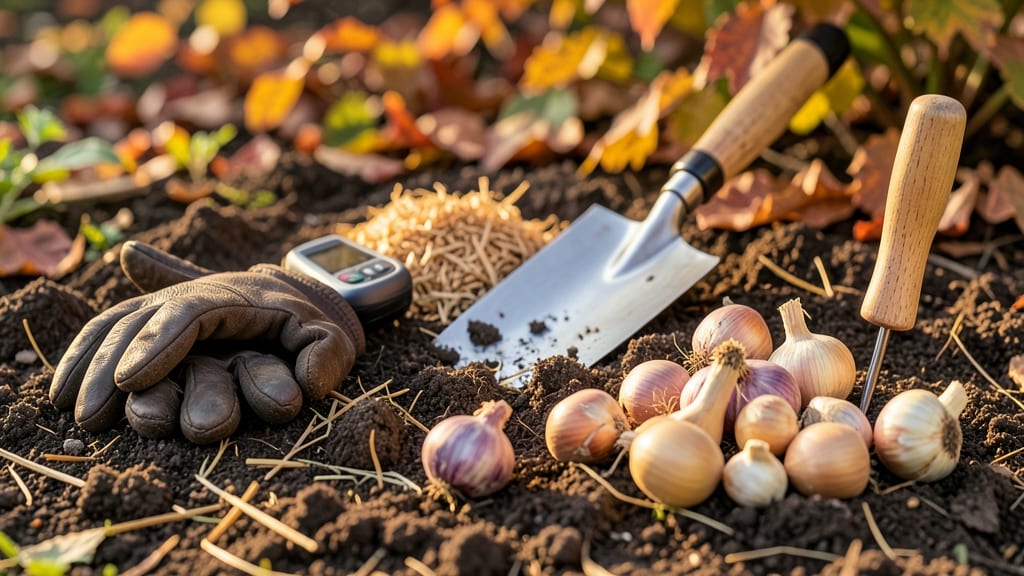
Planting bulbs at the wrong time in Indiana can mean the difference between a showstopping spring display and a sad, frost-bitten disappointment. The key to vibrant 🌷 blooms lies in understanding when to plant—typically between October and November—so the roots establish before winter sets in.
With Indiana’s 5b-6b climate, timing matters more than you might think. Too early, and bulbs can sprout before the ground freezes; too late, and they won’t have enough time to root. I’ll break down the exact window, soil prep tips, and how to adjust for Indiana’s unpredictable weather.
Whether you’re planting tulips, daffodils, or crocuses, getting this right ensures stronger growth and bigger blooms next spring. Let’s dive into the secrets for zero-frost survival and how to make the most of Indiana’s planting season.
You’ll learn how to read the signs, avoid common mistakes, and even extend your planting window if you miss the ideal dates. Ready to set your garden up for success? Let’s get started.
Indiana’s ideal bulb planting window: exact dates by hardiness Zone
Indiana’s USDA zones 5b-7a create a 6-8 week window for fall bulb planting, but timing varies by microclimate and bulb type. Most gardeners aim for October through mid-November, when soil temps drop to 50-60°F—the sweet spot for root growth before winter dormancy.
In northern Indiana (Zone 5b), start by mid-September to beat early frosts, while southern Indiana (Zone 7a) can wait until late November.
Miss this window, and you risk frost-heaving (bulbs pushing up from freeze-thaw cycles) or premature sprouting in warm spells. The key is planting 6-8 weeks before the ground freezes, typically when daytime highs average 60°F and nights dip below 40°F.
For spring-planted bulbs like caladiums or cannas, wait until after the last frost (mid-April) when soil reaches 60°F.
Here’s how to adjust for Indiana’s unpredictable weather:
| Zone | Ideal Planting Window | Soil Temp Threshold | Bulb Examples | Risk if Late |
|---|---|---|---|---|
| 5b (Northern IN) | Mid-Sept to Oct 15 | 50–60°F | Tulips, Hyacinths, Crocus | Frost-heaving |
| 6a (Central IN) | Late Sept to Nov 1 | 50–60°F | Daffodils, Alliums, Snowdrops | Weak root growth |
| 7a (Southern IN) | Oct 15 to Nov 30 | 55–65°F | Lilies, Fritillaries, Muscari | Rodent damage |
For tulips and hyacinths, plant in October—they need 12-16 weeks of chilling to bloom. Daffodils and alliums are more flexible and can handle November plantings in milder zones.
Always plant pointy-end up and 6 inches deep (or 2x bulb height) for frost protection. In containers, use well-draining mix and bury pots halfway in soil for insulation.
Pro tip: Check your local frost forecast (like Old Farmer’s Almanac) and adjust by 2-3 weeks if early freezes are predicted. For spring-planted bulbs, wait until soil warms to 60°F—use a soil thermometer to avoid false starts.
Mulch with straw or leaves after planting to regulate soil temps.
Indiana’s microclimates (urban heat islands, lake effects) can shift planting by 1-2 weeks. If you’re near Lake Michigan, plant 2 weeks earlier than inland zones.
For late fall plantings, try cold frames or black plastic mulch to extend the season. Always water deeply after planting to encourage root growth before dormancy.
Remember: Bulbs need cold to bloom—skipping chilling means no flowers next spring. If your winter is mild (Zone 7a), plant earlier to ensure adequate cold exposure. For tender bulbs like gladiolus, wait until May when night temps stay above 55°F.
Use a planting calendar or set reminders for your zone—Indiana’s first frost can arrive as early as October 15 in the north or as late as November 15 in the south. When in doubt, plant early—bulbs won’t sprout until spring, but roots will establish safely underground.
5 Critical signs you’re planting bulbs too early or late in Indiana
Planting bulbs outside Indiana’s ideal window can leave them vulnerable to frost heaving or premature sprouting. Even experienced gardeners sometimes miss the mark—here’s how to spot the red flags before it’s too late.
First, watch for soft soil conditions when digging. If the ground feels mushy or sticks to your shovel in early September, you’re likely too soon. Bulbs need firm, cool soil to establish roots before winter sets in.
Premature sprouting is another dead giveaway. If you see green shoots peeking through the soil in late October or November, your bulbs were planted too early. These tender shoots will freeze and die in Indiana’s harsh winters.
🌱 Soil temperature is your best friend here. Use a soil thermometer—ideal planting temps hover between 40°F and 50°F. If temps are still above 50°F in late October, wait a few weeks.
Here’s the kicker: bulb types matter. Tulips and hyacinths are finicky—they need precise timing, while daffodils and alliums are more forgiving. Planting daffodils 2-3 weeks late won’t kill them, but tulips may struggle.
🌿 Frost forecasts should guide your final decision. Indiana’s first hard frost typically hits around October 15**, but check your local USDA Zone (5b-7a) for accuracy. If frost is predicted within 6-8 weeks, it’s go time.
Finally, inspect your bulbs after planting. If they feel squishy or rotten when you handle them, you waited too long—soil was likely too warm. Healthy bulbs should feel firm and papery.
Sign: Soil sticks to shovel or feels spongy
Sign: Bulbs sprouted before winter
Sign: Use thermometer to check
Sign: Bulbs feel soft or rotting
Sign: Check USDA Zone 5b-7a forecasts
🌡️ Pro tip: If you’re unsure, plant test bulbs in a small patch first. This lets you gauge soil conditions without risking your entire garden. Adjust timing based on their progress!