
Plants
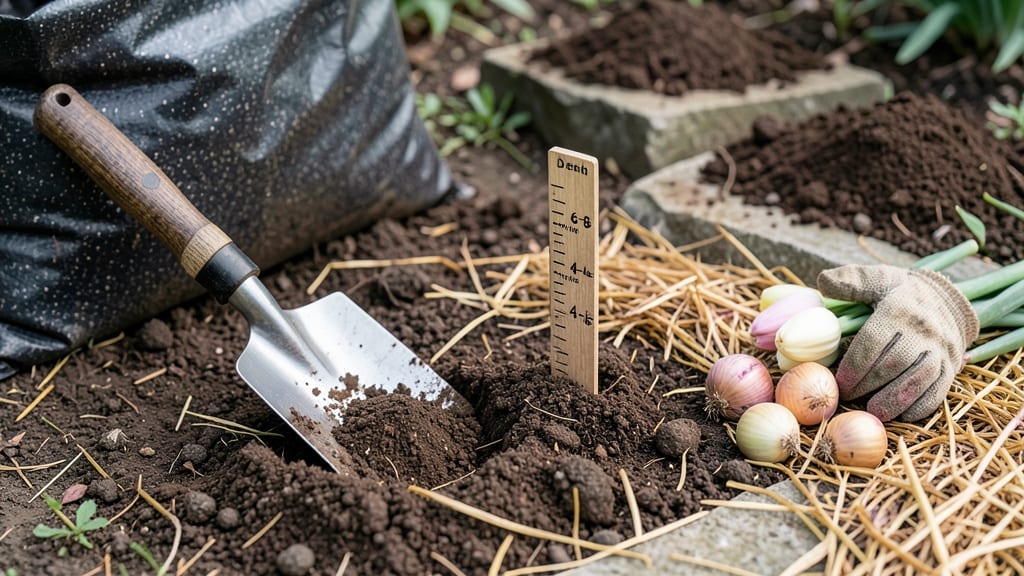
Planting spring flowering bulbs 🌷 in Kansas at the wrong time means either frost-killed roots or blooms that never arrive. The exact window between September and November is your golden opportunity to set up next year's showstopper garden—before the ground freezes solid.
Here's the kicker: Kansas' 5b-7a zones mean your neighbors might be planting when you shouldn't (or vice versa). Too early, and your bulbs rot; too late, and they never get the cold snap they need to bloom.
I'll break down the precise months that work for your specific corner of the state, plus how to prep your soil so these 🌷 beauties thrive.
You'll also discover why some gardeners swear by fall planting while others prefer spring—and when each method makes sense for Kansas' unpredictable weather. Spoiler: It's not just about the calendar, but also about soil temperature and moisture levels.
Let's get your bulbs in the ground at the perfect moment so you're rewarded with April-June blooms that make every other garden in the neighborhood look like an afterthought. Ready to plant with confidence?
Kansas heat zones explained: which zone are you in?
Kansas spans USDA hardiness zones 5a through 7b, meaning your bulb planting schedule depends heavily on where you live. The northern tier (zone 5a-6a) faces earlier frosts, while southern Kansas (zone 6b-7b) enjoys longer growing seasons.
Knowing your zone ensures you plant bulbs 6-8 weeks before the first hard frost, giving roots time to establish before winter.
For example, Wichita (zone 7a) has an average first frost around October 20th, while Hays (zone 6a) typically sees frost by October 10th. These dates determine whether you plant in early September (Hays) or late September (Wichita).
Use the Kansas State University Plant Hardiness Map to pinpoint your exact zone—just enter your ZIP code.
Here’s why zones matter: Tulips planted too early in zone 5a may sprout and freeze, while daffodils planted too late in zone 7b might bloom weakly. The key is aligning your planting with soil temperatures dropping below 60°F, signaling bulbs to root before dormancy.
| Zone | Avg. First Frost | Ideal Planting Window | Bulb Examples |
|---|---|---|---|
| 5a (Northwest KS) | Oct 5–15 | Sep 1–15 | Daffodils, Alliums |
| 6a (Central KS) | Oct 10–20 | Sep 15–Oct 5 | Tulips, Hyacinths |
| 7a (South KS) | Oct 20–Nov 1 | Oct 1–15 | Crocus, Snowdrops |
| 7b (Southeast KS) | Nov 1–10 | Oct 15–Nov 1 | Dahlias, Gladiolus |
Pro tip: Zone 6a gardeners should aim for mid-September planting to avoid early frosts, while zone 7b gardeners can push planting to mid-October. Always check your local Almanac frost dates—they’re more precise than general zone averages.
For instance, Topeka’s frost date is October 12th, while Dodge City’s is October 5th.
If you’re unsure, plant early—bulbs won’t sprout until spring, and they’ll survive winter safely. But avoid planting after soil temps drop below 50°F, as roots won’t establish properly. Use a soil thermometer to monitor—ideal planting temps are 50–60°F.
Kansas’ unpredictable weather means even a 10-day delay can shift your blooming schedule. For example, tulips planted in late October in zone 6a may bloom 2–3 weeks later than those planted in September. Timing isn’t just about frost—it’s about giving bulbs enough time to root deeply before winter.
Don’t forget: Spring-planted bulbs (like caladiums) go in after the last frost (mid-April), but they’re a secondary focus in Kansas. For now, focus on fall planting—it’s when most spring bloomers thrive. Next, we’ll dive into exact planting months for your favorite bulbs.
Exact planting months for spring vs fall bulbs in Kansas
Kansas gardeners have two prime windows to plant bulbs: fall for spring blooms and early spring for late-season varieties. Most spring-flowering bulbs like tulips and daffodils need to be planted 6-8 weeks before the ground freezes—typically mid-September to early November in Kansas.
This timing lets roots establish before winter dormancy.
For fall-planted bulbs, aim to finish by mid-November in colder zones (5a-6a) and early December in warmer areas (6b-7a). Late planting risks frost damage before roots anchor. Spring-planted bulbs (like some crocus) go in March-April, right after the last frost date—usually mid-April in most of Kansas.
Here’s your month-by-month breakdown for Kansas’ most popular bulbs—tulips, daffodils, hyacinths, and alliums—with exact windows tailored to your heat zone:
-
📅 September (Best for all zones)
Plant tulips, daffodils, hyacinths—soil temps should be 50-60°F. Use well-draining soil to prevent rot. -
📅 October (Critical for northern KS)
Last chance for fall bulbs in zones 5a-6a. Mulch with 3 inches of straw after planting to insulate roots. -
📅 November (Southern KS only)
Only zones 6b-7a can plant late. Avoid if ground is frozen or saturated. -
📅 March-April (Spring planting)
Plant crocus, snowdrops—wait until soil thaws (test with your finger). Depth: 3x bulb height.
Alliums and fritillaries are exceptions—they thrive when planted in late summer (August). Their unique blooms emerge later, so they need extra time to root. For container gardening, plant bulbs in late fall (November) to mimic outdoor conditions.
Missed the fall window? Don’t panic! Spring-planted bulbs like gladiolus or rain lilies can go in April, but they’ll bloom 6-8 weeks later than fall-planted varieties. Just ensure the soil is warm (60°F+) and well-drained.
Kansas’ unpredictable weather means flexibility is key. Check your local USDA zone (5a-7a) and frost dates annually—some years, a late freeze delays planting by 2-3 weeks. Use a soil thermometer to confirm temps before digging.