
Companion Plants
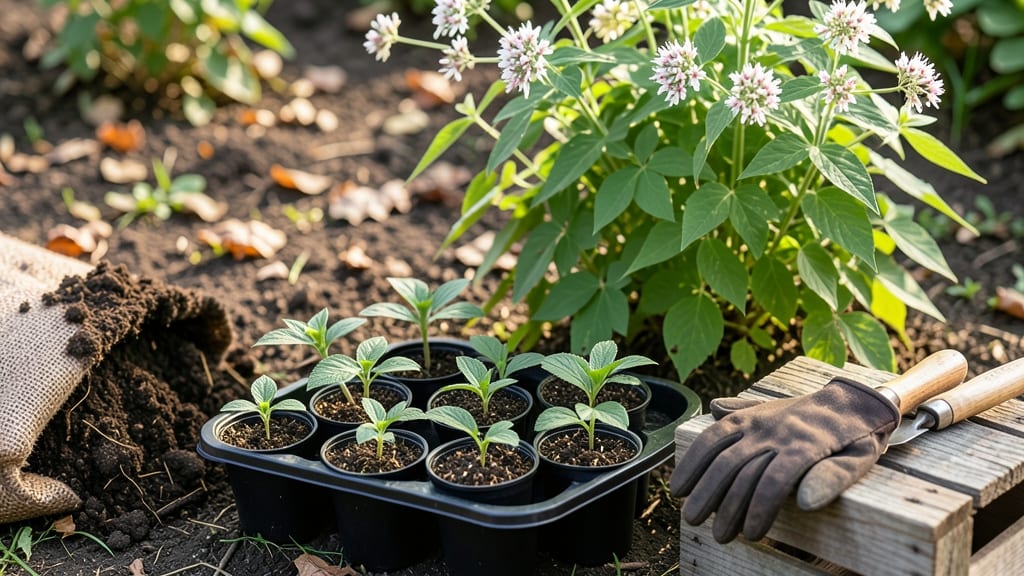
If you're wondering when to plant buckwheat in PA, timing is everything—this fast-growing crop needs warm soil and short days to thrive. In Pennsylvania's 5b-7a zones, planting too early risks frost damage, while waiting too long can delay your harvest.
The sweet spot? Mid-April to early June for spring plantings, or late July to early August for summer success.
Buckwheat 🌾 is a gardener's secret weapon—ready to harvest in just 60-75 days, it's perfect for cover crops, edible grains, or pollinator-friendly borders. But getting the timing right means avoiding stunted growth or wasted seeds.
Pennsylvania's last frost typically hits around April 15, so hold off until soil warms to at least 50°F for best results.
Whether you're growing it for food or soil health, buckwheat rewards patience with its speed. Spring plantings give you harvests by late June, while summer sowings extend your season into fall. The key? Watch for those first warm days and act fast—this isn't a plant that likes to wait.
Ready to grow buckwheat like a pro? I'll walk you through the exact dates, soil prep, and microclimate tips to make your Pennsylvania garden burst with golden blooms and bountiful yields. Let's get planting!
Optimal buckwheat planting dates in Pennsylvania by season
Pennsylvania’s USDA hardiness zones 5b-7a create perfect conditions for buckwheat, but timing matters. Spring and fall plantings yield different benefits—spring for grain harvests, fall for cover crops. Let’s break down the ideal windows based on local microclimates.
In spring, buckwheat thrives when soil temperatures hit 50°F (10°C), typically mid-April to early June. Regions like Philadelphia (Zone 7a) can start earlier, while Pittsburgh (Zone 6b) may wait until late April. Always check your last frost date—planting too early risks frost damage.
For fall plantings, aim for late July to early August to ensure a 60-75 day harvest before first frost (usually mid-October). This timing maximizes cover crop benefits while avoiding winter dormancy issues.
Buckwheat’s fast-growing nature (ready in 60 days) makes it ideal for short-season gardens. In Pennsylvania’s 165-day growing season, timing ensures you avoid late-season heat stress or early frost.
🌱
| Season | Planting Window | Soil Temp | Key Consideration |
|---|---|---|---|
| Spring | Mid-April to early June | 50°F+ (10°C+) | Avoid frost; harvest by July |
| Summer | Late July to early August | Warm soil preferred | Cover crop for fall; harvest by Oct |
| Fall | Late August (high-risk) | Not recommended | Limited growth before frost |
Philadelphia’s warmer microclimate (Zone 7a) allows earlier spring plantings—start by April 15—while Erie (Zone 6a) should wait until May 1 to avoid late frosts. Use the USDA Plant Hardiness Map to refine your local timing.
For cover crop use, summer plantings in July-August provide soil protection before winter. These plantings won’t produce grain but improve soil structure and suppress weeds.
Always test soil temperature with a soil thermometer—buckwheat won’t germinate below 50°F. In cooler years, delay spring plantings until May 1 to ensure success.
🌾
Pro tip: Direct-sow seeds ½-inch deep in full sun for fastest growth. Buckwheat hates transplants, so skip nursery starts—plant seeds 1-2 inches apart in rows 12 inches apart.
If you’re growing buckwheat for grain, prioritize spring plantings to maximize harvest windows. For cover crops, summer plantings offer better soil benefits before winter.
How to time buckwheat planting for maximum yield in PA’s short growing season
Pennsylvania’s short growing season demands precision when planting buckwheat. Timing is everything—plant too early, and frost will damage tender seedlings; too late, and your harvest will suffer. The key is aligning planting with soil temperatures and frost-free dates, which vary slightly across PA’s USDA zones 5b-7a.
Most of Pennsylvania sees its last spring frost between April 15 and May 1, while the first fall frost typically arrives around October 15. Use these dates as your anchors, but always check your local microclimate—valleys freeze earlier than hilltops, and urban areas may stay warmer longer.
For spring planting, aim to sow buckwheat 2-4 weeks after your last frost date, once soil temperatures hit 50°F (10°C). This usually lands in mid-April to early May for most of PA.
For summer planting (ideal for cover crops), wait until late July to early August to give plants enough time to mature before frost.
🌾 Buckwheat Planting Timeline for PA
| Stage | Action | Best Time |
|---|---|---|
| Soil Prep | Loosen soil, add compost | Early April (spring) or Late July (summer) |
| Planting | Sow seeds ½" deep, 6" apart | Mid-April to May (spring) or Late July (summer) |
| Germination | Sprouts in 7-10 days | Within 2 weeks of planting |
| Harvest | Cut when flowers open | 60-75 days after planting |
If you’re growing buckwheat for grain production, prioritize spring planting—it gives you the longest growing window before frost. For cover crop purposes, summer planting works well, as it suppresses weeds and improves soil before winter.
Just ensure you plant at least 8-10 weeks before your first frost to avoid immature harvests.
Pro tip: Use PA’s frost-free day calculator (like the one from Penn State Extension) to fine-tune your dates. For example, Pittsburgh’s average frost-free season is 165 days, while Philadelphia’s is closer to 180 days. Adjust your planting window accordingly to maximize yields.
Remember, buckwheat is a fast grower—it can go from seed to harvest in just 60-75 days. This makes it perfect for squeezing into PA’s short season, but don’t cut it too close! Planting too late risks stunted growth or seed heads that don’t fully mature before frost.