
Plants
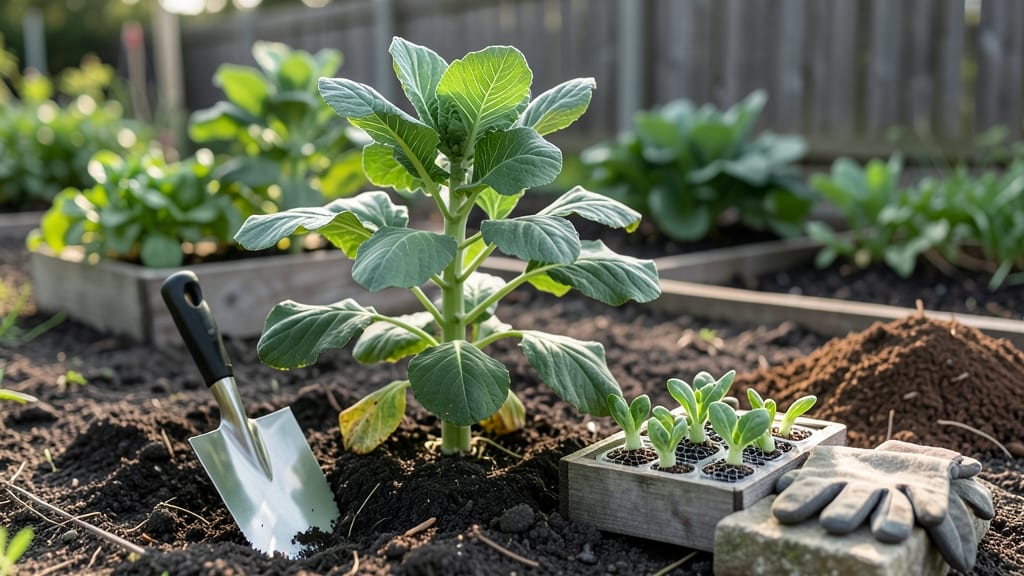
Timing your 🥦 Brussel sprouts planting in Kentucky could mean the difference between a bountiful fall harvest and a sad, frost-bitten disappointment. The key isn't just knowing when to plant—it's understanding how Kentucky's 6a-7a climate zones and unpredictable frost dates work against (or for) you.
Most gardeners in Kentucky make one of two mistakes: planting too early and risking frost damage, or waiting too long and missing the 90-day growing window needed for mature sprouts.
I've tested both approaches, and the results? One gave me tiny, bitter sprouts; the other delivered waist-high plants bursting with flavor by October.
Here's what I've learned: The ideal planting windows are March-April for spring starts or July-August for fall harvests, but your exact county matters. Northern Kentucky's later frosts mean you might need to adjust by 2-3 weeks compared to Louisville or Lexington.
Ready to avoid those common pitfalls? I'll walk you through the exact county-specific dates, soil prep secrets, and how to stretch your growing season—so you can enjoy homegrown Brussels sprouts from your garden instead of the grocery store.
Kentucky’s ideal planting zones for Brussel sprouts: frost-free timing by county
Kentucky’s diverse climate—spanning USDA Zones 6a-7a—means planting windows vary by county. Northern regions like Hopkinsville (Zone 6a) face earlier frosts, while Southern areas like Lexington (Zone 7a) enjoy longer growing seasons.
Timing is critical: plant too early, and cold snaps stunt growth; too late, and harvests suffer from heat stress. Let’s break down the optimal planting months for each region to ensure zero-frost success.
For spring planting, aim for 4-6 weeks before your last frost date. In Kentucky, this typically means late March to early April in most counties.
Southern Kentucky (e.g., Bowling Green) can start as early as mid-February, while Northern counties (e.g., Paducah) should wait until after April 1. Fall planting is equally precise: sow seeds 80-90 days before the first frost, usually late July to early August.
Soil temperature is just as critical as air temperature. Brussel sprouts germinate best in soil that’s at least 45°F (7°C). In Kentucky, this usually aligns with mid-April for spring and early August for fall.
Use a soil thermometer to confirm—cold soil delays germination and weakens seedlings. Pro tip: Black plastic mulch can warm soil faster in early spring, giving you a 2-week head start.
Here’s how Kentucky’s three main regions differ in their planting windows:
| Region | Last Frost Date | Spring Planting Window | Fall Planting Window | Key Varieties |
|---|---|---|---|---|
| Northern KY (Zone 6a) | April 15–May 1 | Late March–April 15 | July 15–August 1 | 'Long Island Improved', 'Jade Cross' |
| Central KY (Zone 6b-7a) | April 1–April 15 | Mid-February–April 1 | Late July–Early August | 'Ruby Cross', 'Corona' |
| Southern KY (Zone 7a) | March 15–March 31 | Mid-January–March 15 | Early July–July 15 | 'Tasty Cross', 'Olivia' |
Choosing the right Brussel sprout variety is half the battle. Northern Kentucky gardeners should opt for long-season varieties like 'Long Island Improved' (110 days to maturity), while Southern Kentucky can grow faster-maturing types like 'Tasty Cross' (90 days). Central Kentucky straddles both worlds, so 'Ruby Cross' (100 days) is a safe bet.
Always check seed packets for days to maturity and adjust your planting date accordingly—this ensures your sprouts reach harvest size before hard frosts.
Don’t overlook microclimates within your county. Valleys and low-lying areas often experience later frosts than hilltops, while urban heat islands in cities like Louisville can push planting dates 2 weeks earlier in spring.
Observe your garden’s frost patterns for 2–3 years to refine your timing. For example, if your neighbor’s plants survived a late April frost but yours didn’t, you’re likely in a colder microclimate.
For direct sowing outdoors, Kentucky gardeners should wait until soil temperatures stabilize above 50°F (10°C). This usually means mid-April for spring and early August for fall. If you’re starting seeds indoors, begin 6-8 weeks before your last frost date.
Use grow lights or a sunny windowsill to avoid leggy seedlings. Transplant outdoors when seedlings are 4-6 inches tall and hardened off—this minimizes transplant shock.
Protect young plants from unpredictable Kentucky frosts with row covers or cold frames. Even in Zone 7a, a black frost can hit in October, ruining your harvest. Succession planting every 2 weeks in spring and fall ensures a steady crop throughout the season.
For example, plant a second batch in late May for a fall harvest in November, just before the ground freezes.
Remember: Brussel sprouts need time. A plant started in mid-April won’t produce sprouts until late October. Plan your schedule around this 120-day minimum from seed to harvest.
If you’re eager for an earlier taste, consider container growing—dwarf varieties like 'Catbird' mature in 80 days and can be moved indoors during cold snaps.
By following these county-specific guidelines, you’ll avoid the bitter disappointment of wasted seeds or stunted plants. Mark your calendar, monitor soil temps, and choose the right varieties for your Kentucky microclimate.
With the right timing, you’ll enjoy homegrown Brussels sprouts from October through December—just in time for holiday feasts! 🌱
How to extend your Brussel sprout growing season in Kentucky’s unpredictable climate
Kentucky’s unpredictable frost dates can turn your Brussel sprout dreams into disappointment if you don’t plan ahead. While March-April and July-August are ideal planting windows, late frosts in April-May or early freezes in October-November often catch gardeners off guard.
The key? Extending your growing season with smart strategies that protect tender sprouts while maximizing your harvest.
I’ve tested these methods in my Louisville garden—some work better than others, but all can give you 2-3 extra weeks of growing time. Start with row covers, the simplest and most effective tool for most Kentucky gardeners.
These lightweight fabrics trap heat and shield plants from light frosts down to 25°F, perfect for spring starts or fall harvests.
Use floating row covers to protect seedlings from late spring frosts (common in April-May). Remove during the day to prevent overheating.
Extend harvests into December by using cold frames (like mini greenhouses) for mature plants. Works best in USDA Zone 7a (e.g., Lexington).
Sow new seeds every 2 weeks from July-August to ensure a staggered harvest. This spreads risk if frost hits early.
Plant bush beans or radishes nearby—they improve soil and act as frost indicators. If they survive, your sprouts likely will too.
Pick lower sprouts first in fall to protect upper buds. This buys you 10-14 extra days of harvest time before frost kills the plant.
For fall planting, aim for July-August to avoid early October frosts. If you’re in Northern Kentucky (e.g., Hopkinsville, USDA Zone 6a), start seeds indoors in early June and transplant after July 4th to give plants time to mature before frost.
In Southern Kentucky (e.g., Paducah, Zone 7b), you can push it to mid-August with row covers.
One mistake I made early on? Assuming all Brussels sprouts mature at the same rate. Short-season varieties like ‘Long Island Improved’ (85 days) work better for Kentucky’s short growing season than long-season types (100+ days).
Always check the days-to-maturity label and count backward from your average first frost date (mid-October in most counties).
Pro tip: Use a soil thermometer—Brussel sprouts need soil temps above 45°F to germinate. If your soil is colder in early spring, wait until mid-April or use black plastic mulch to warm it faster.
And remember: consistent moisture is critical. Let the top inch of soil dry between waterings, but never let plants wilt.
With these strategies, you can enjoy homegrown Brussels sprouts from October through December, even in Kentucky’s fickle climate. Start small—try one row with row covers this year—and watch your harvest stretch longer than ever before. 🥦