
Plants
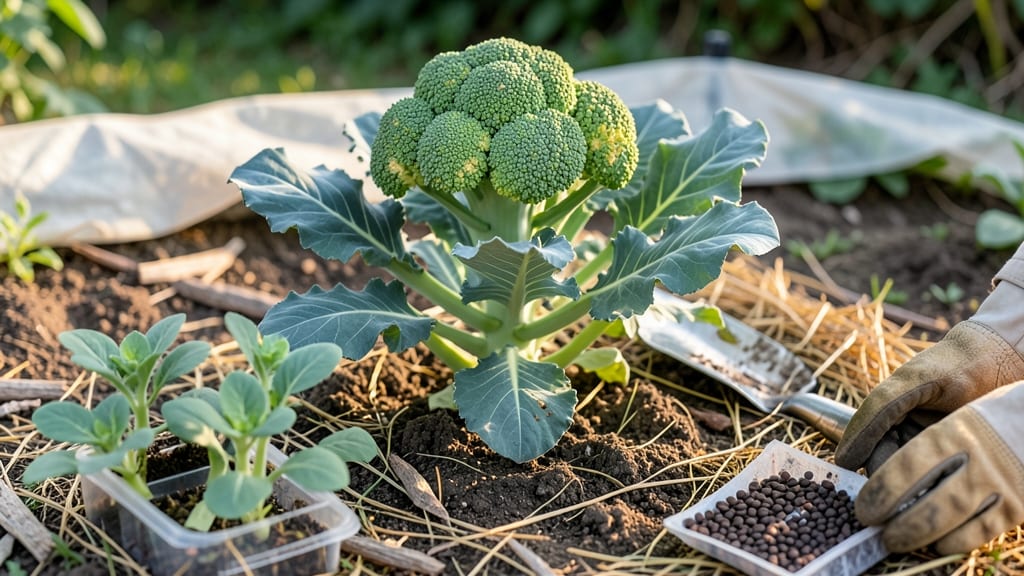
Planting 🥦 broccoli in Washington State at the wrong time can mean the difference between a bountiful harvest and bolted, bitter plants. With USDA zones 6b-8b creating wildly different frost timelines—from the Puget Sound’s mild coastal air to Eastern WA’s chilly highlands—getting your schedule right is everything.
Most gardeners in Western WA assume they can plant in early March, but that’s a recipe for frost damage in colder microclimates. Meanwhile, Eastern WA growers often miss the late-summer window, leaving them scrambling for fall harvests.
The key? Timing your 🥦 broccoli for 65-80 frost-free days—and knowing when to start seeds indoors versus transplanting hardy seedlings.
In this guide, I’ll break down the exact planting windows for your region—whether you’re in Seattle’s Zone 8b or Wenatchee’s Zone 6b—plus how to adjust for late frosts, heat waves, and soil prep. No more guesswork, just a foolproof schedule for two harvests a year.
Ready to grow 🥦 broccoli that thrives? Let’s dive into the frost-free timeline that’ll have your garden producing crisp, flavorful heads from spring through fall.
Best planting windows for broccoli in Washington State by region
Washington State’s three distinct climate zones—Puget Sound’s mild winters, Western WA’s cool summers, and Eastern WA’s harsh winters—mean your broccoli planting schedule should match your location. Puget Sound gardeners (Seattle, Olympia) enjoy a longer growing season, while Eastern WA growers (Pullman, Wenatchee) face earlier frosts and shorter windows.
Let’s break down the best planting windows for each region to avoid bolting or frost damage.
For spring planting, aim to sow seeds 4-6 weeks before your last frost date.
In Western WA (USDA Zone 7b-8b), this typically means mid-March to early April. Eastern WA (Zone 6b) gardeners should start late March to mid-April to account for earlier frosts. Fall planting works too—sow seeds 8-10 weeks before your first frost, usually late July to early August.
Here’s a quick reference for Washington’s frost dates by region:
| Region | Last Frost Date | First Frost Date | Spring Planting Window | Fall Planting Window |
|---|---|---|---|---|
| Puget Sound (Seattle, Olympia) | March 15 | November 15 | Mid-March to early April | Late July to early August |
| Western WA (Bellingham, Spokane) | April 1 | November 1 | Late March to early April | Early to mid-August |
| Eastern WA (Pullman, Wenatchee) | April 15 | October 15 | Late March to mid-April | Late July to early August |
In Puget Sound, you can even try early February sowings under row covers or in a greenhouse for a head start. Western WA’s cooler summers (like Spokane) allow for succession planting every 2-3 weeks until mid-June.
Meanwhile, Eastern WA’s shorter season demands fast-maturing varieties like ‘De Cicco’ or ‘Green Magic’, which mature in 50-60 days.
For fall harvests, focus on late-summer sowings. In Zone 8b (Puget Sound), you can plant until early September, while Zone 6b (Eastern WA) should finish by mid-August. Use heat-tolerant varieties like ‘Calabrese’ for extended summer heat in areas like Yakima Valley.
Pro tip: Direct-sow seeds for spring broccoli—they germinate best in cool soil (40-85°F). Transplant seedlings only if you’re in a hotter microclimate, like Wenatchee, where soil temps can spike in late spring. Always harden off seedlings for 7-10 days before planting to prevent transplant shock.
If you’re in Zone 7b (Western WA), like Bellingham, you can double-crop by planting spring broccoli in March and fall broccoli in August. This gives you two harvests per year! Just mulch heavily in fall to insulate roots from early winter frosts.
For Eastern WA gardeners, consider black plastic mulch to warm soil faster in spring and extend harvests into early winter. This works especially well in Pullman’s Zone 6b, where frost can arrive as early as October. Pair it with low tunnels for extra protection.
No matter your zone, avoid planting broccoli in summer—heat stress causes bolting (premature flowering). Stick to cool-season windows, and you’ll enjoy crisp, flavorful heads all season long. Happy planting!
How to adjust broccoli planting for Washington’s microclimates
Washington’s microclimates can shift broccoli planting by weeks—even within the same city. Coastal areas like Bellingham enjoy milder winters, while inland spots like Yakima Valley face earlier frosts. The key is adjusting your schedule based on elevation, proximity to water, and local frost dates.
For Puget Sound gardens, where winters are wet but mild, you can start seedlings indoors by February 15 and transplant by March 15. In contrast, Eastern WA’s high desert (like Pullman) demands earlier starts—indoors by January 15 and outdoors by March 1 to avoid late-spring frosts.
🌱Pro Tip: Use frost blankets or row covers to extend your season by 2-3 weeks in colder zones like Spokane or Wenatchee. These tools let you plant 2-4 weeks later than the official frost date without risking damage.
Washington Microclimate Adjustments
USDA Zone 8b
Start indoors: Feb 15
Transplant: March 15
USDA Zone 7b
Start indoors: Feb 1
Transplant: March 10
USDA Zone 6b
Start indoors: Jan 15
Transplant: Feb 28
USDA Zone 6a
Start indoors: Jan 1
Transplant: Feb 15
If you’re gardening in urban heat islands (like Seattle’s downtown), opt for shade cloth during peak summer to prevent stress-induced bolting. Even a 30% shade cloth can buy you 2-3 extra weeks of productive growth.
For fall planting, aim to sow seeds by August 1 in Western WA and July 15 in Eastern WA. This gives broccoli 60-70 days to mature before first frost. Use black plastic mulch to warm soil faster in cooler zones.
🌿Remember: Washington’s Pacific Northwest chill slows early growth. Don’t rush—patience with timing beats speed every time. Adjust your calendar by 1-2 weeks based on your yard’s specific microclimate!