
Plants
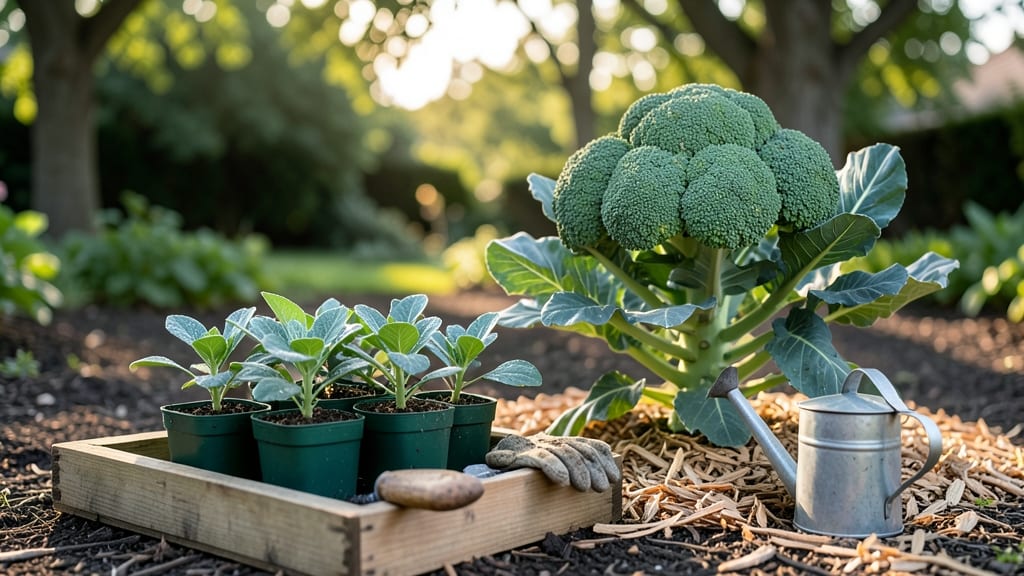
Planting fall broccoli in Zone 7 at the wrong time could mean watching your hard work turn to mush in the first frost—unless you follow the exact timing that guarantees a zero-frost harvest.
The key is understanding your local frost dates and how they align with your broccoli’s growth cycle, especially in August-September when the weather starts cooling down.
I’ve learned that broccoli 🥦 thrives in the crisp air of fall, but it needs just the right window to mature before temperatures drop.
In Zone 7 (7a-7b), that means planting between mid-August and early September for most varieties, giving them 60-80 days to reach harvest before the average frost hits around mid-November.
Why does this matter? Because fall broccoli tastes sweeter and more tender when grown in cooler weather, and avoiding frost is the secret to a bumper crop.
Whether you’re a first-time gardener or a seasoned grower, nailing these dates will save you from disappointment—and maybe even earn you bragging rights at the farmers' market.
In this guide, I’ll walk you through the step-by-step process, from soil prep to post-planting care, so you can confidently plant your broccoli and enjoy a harvest that lasts well into December. Let’s get those seeds in the ground at the perfect time!
Fall broccoli planting dates in Zone 7: exact timeline for zero-frost harvests
Getting your fall broccoli planted at the right time in Zone 7 means avoiding two major enemies: early bolting from summer heat and frost damage before harvest.
The sweet spot? Planting between mid-August and mid-September to ensure your heads mature before the first frost (typically around November 15 in Zone 7).
Broccoli needs 50-80 days to reach harvest, depending on the variety. In Zone 7, this means starting seeds or transplants 8-10 weeks before frost—so aim for late July to early September for flexibility. If you miss this window, don’t panic: late August is still viable for fast-maturing varieties.
Here’s the golden rule for Zone 7: Soil temperatures should be below 80°F (27°C) to prevent bolting, but above 40°F (4°C) for healthy growth. Early August can still be too warm for some varieties, so monitor your microclimate closely.
🌱Pro Tip: Use a soil thermometer to check temperatures before planting. If it’s above 80°F, wait 1-2 weeks or use shade cloth to protect seedlings.
🌱Pro Tip: Use a soil thermometer to check temperatures before planting. If it’s above 80°F, wait 1-2 weeks or use shade cloth to protect seedlings.
For Zone 7a (colder end), push planting to late August to avoid early heat stress, while Zone 7b gardeners can start as early as mid-July for a staggered harvest. Always check your local frost dates—they can vary by 1-2 weeks even within the same zone.
If you’re growing multiple broccoli varieties, stagger plantings every 2 weeks from August to September. This extends your harvest window and ensures you’re not overwhelmed with ready-to-pick broccoli all at once. For example, plant Waltham 29 (slow-maturing) in early August and De Cicco (fast) in late August.
🌱Warning: Avoid planting before July 15 unless you’re using shade cloth or a high-elevation garden. Summer heat causes broccoli to bolt prematurely, turning your tender heads into bitter flowers before they even form.
To maximize success, pair your planting timeline with proper soil prep. Amend your garden beds with compost and a balanced fertilizer (5-10-10) 1-2 weeks before planting. Broccoli is a heavy feeder, so nutrient-rich soil is non-negotiable for large, flavorful heads.
Finally, keep an eye on your broccoli’s growth rate after planting. If seedlings emerge but grow slowly, they may need more sunlight or warmer soil. Thin seedlings to 12-18 inches apart once they’re 2 inches tall to prevent competition and ensure optimal head development.
How to adjust planting dates for broccoli varieties in Zone 7
Not all broccoli varieties mature at the same speed, which means your planting dates need to shift depending on whether you’re growing fast-maturing or slow-maturing types. In Zone 7, this adjustment can mean the difference between a harvest in October or one that stretches into December.
For example, 'De Cicco' (Italian sprouting broccoli) matures in just 50-60 days, while 'Calabrese' (standard green broccoli) takes 60-80 days.
I’ve found that fast-maturing varieties like 'Waltham 29' give me a head start, allowing me to plant as early as late July for a late-summer harvest. Meanwhile, slower varieties like 'Calabrese' need to go in the ground by mid-August to avoid frost.
The key is matching your variety’s days-to-maturity with your local frost date—typically mid-November in Zone 7.
Here’s how I tailor my planting schedule: For early harvests, I plant fast varieties in late July-August (60-70 days before frost). For main-season crops, I stick to mid-August for most varieties.
And for late-season extensions, I might try a cold-hardy variety like 'Belstar' in early September, which can tolerate light frosts.
| Variety | Days to Maturity | Ideal Planting Window (Zone 7) | Harvest Window |
|---|---|---|---|
| 'Waltham 29' | 50-60 | Late July - Early August | Late September - October |
| 'De Cicco' | 50-60 | Late July - Mid-August | Late September - November |
| 'Calabrese' | 60-80 | Mid-August - Early September | October - December |
| 'Belstar' | 55-65 | Early September | October - November |
Pro tip: If you’re unsure about your variety’s maturity, check the seed packet for days-to-harvest estimates. Then, count backward from your average frost date (mid-November in Zone 7) to determine your planting window. For example, a 70-day variety needs to be in the ground by early September to avoid frost.
Another trick I use is succession planting with fast varieties. By planting 'Waltham 29' every 2-3 weeks from late July through August, I stretch my harvest window from September through November. This ensures I’m always getting fresh broccoli 🥦 without gaps in my garden.
Finally, don’t overlook microclimates in your garden. If your yard has a warmer microclimate (like near a south-facing wall), you might push planting dates back by 1-2 weeks. Conversely, cooler spots may require earlier planting. Always test your soil temperature—broccoli seeds need 40°F+ soil to germinate properly.