
Plants
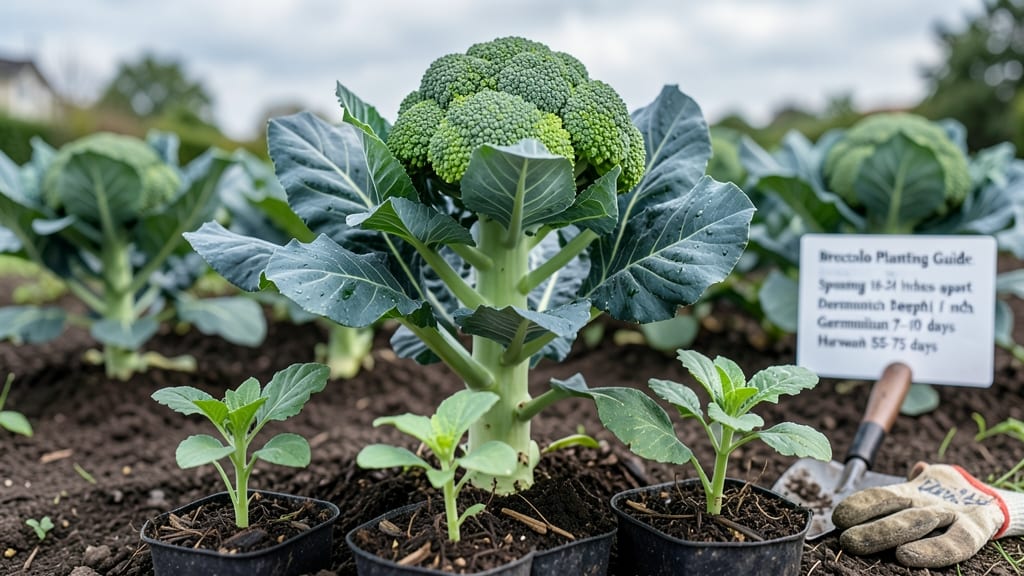
Planting broccoli 🥦 in South Carolina’s 7b-8a zones means nailing those heat zone deadlines—miss them, and you’ll end up with bitter, bolted heads instead of the sweet, crisp harvest you crave.
Here’s the truth: Spring planting (February–March) gives you that first flush of harvest by April–May, while fall planting (August–September) sets you up for November–December bounty. But with South Carolina’s unpredictable humidity and heat spikes, timing isn’t just about months—it’s about microclimates and frost dates.
I’ll break down the exact windows for direct sowing vs. starting indoors, plus how to beat bolting and pests in this sticky climate. Whether you’re a first-timer or a seasoned gardener, these tips will help you grow broccoli that’s flavorful and foolproof.
Ready to turn your garden into a year-round harvest? Let’s get those seeds in the ground at the perfect moment.
South Carolina broccoli planting deadlines by heat zone (USDA 7b-9a)
South Carolina’s USDA zones 7b-9a create two prime windows for broccoli: early spring and late summer. Miss these deadlines, and you’ll face heat stress or early frost—both kill broccoli plants. Coastal areas (like Charleston) have longer frost-free seasons than Piedmont regions (like Columbia), so adjust timing accordingly.
For spring planting, start seeds 4-6 weeks indoors before your last frost date (mid-March in most zones). In USDA 8a (Columbia), this means sowing mid-February for transplanting by March 15. Coastal USDA 9a (Savannah) gardeners can plant 1-2 weeks earlier due to milder winters.
Fall planting is trickier but more reliable in SC’s heat. Aim to sow seeds August 1-15 for a November harvest before hard frosts. In USDA 7b (Charleston), push it to mid-August—later plantings risk bolting from shortening days.
Pro tip: Use shade cloth (30-50%) in summer to protect young plants from 90°F+ temps, which cause bolting. Even heat-tolerant varieties struggle above 85°F.
| Zone & Location | Spring Planting Window | Fall Planting Window | Key Adjustments |
|---|---|---|---|
| USDA 7b (Charleston) | Start seeds Feb 15 (transplant March 20) | Sow Aug 10-25 (harvest Nov 15) | Use shade cloth in summer; avoid late Aug plantings |
| USDA 8a (Columbia) | Start seeds Feb 1 (transplant March 15) | Sow Aug 1-15 (harvest Nov 1) | Prioritize fast-maturing varieties for fall |
| USDA 9a (Savannah) | Start seeds Jan 20 (transplant Feb 28) | Sow Aug 15-Sept 1 (harvest Dec 15) | Extend season with row covers; minimal frost risk |
Direct sowing outdoors is risky in SC’s heat. Instead, start seeds indoors under grow lights 4-6 weeks before transplanting. Harden off seedlings for 7-10 days before moving them to the garden—this reduces transplant shock in our humid climate.
For succession planting, sow a second batch 2-3 weeks after your first transplant. This ensures continuous harvests from spring through fall. In USDA 8a, this might mean a March and April planting for staggered growth.
Watch for false starts: Broccoli can bolt if temps dip below 50°F at night. Use row covers or choose cold-hardy varieties like ‘Waltham 29’ for early spring.
In coastal areas, salt spray can damage young plants. Raise beds 6+ inches and use drip irrigation to avoid foliar salt buildup. Piedmont gardeners should focus on soil drainage—broccoli hates soggy roots.
How to extend broccoli’s growing season in South Carolina’s humidity
South Carolina’s humid subtropical climate can turn broccoli into a finicky crop—too much heat or moisture, and your plants bolt or rot before producing heads. But with the right strategies, you can extend the growing season by up to 3 months while keeping your broccoli thriving.
The key? Shade, succession planting, and smart pest management tailored to SC’s USDA zones 7b-9a.
First, focus on preventing bolting—the enemy of a long harvest. Broccoli bolts when stressed by heat above 85°F or uneven watering. In coastal areas (like Charleston), use 30% shade cloth from late spring through summer to keep soil temps below 80°F.
Inland (Columbia, Greenville), mulch heavily with straw to retain moisture and block heat.
🌱 Top 5 Ways to Extend Broccoli’s Season in SC
- 1. Succession Planting: Sow seeds every 2 weeks from February–March and August–September for continuous harvests.
- 2. Shade Cloth: Use 30–50% shade in summer to prevent bolting (remove by late August for fall crops).
- 3. Companion Planting: Pair with dill, thyme, or marigolds to repel pests like cabbage worms and aphids.
- 4. Soil Moisture Control: Water deeply 2x/week (1–1.5 inches) and mulch with straw to avoid temperature swings.
- 5. Pest Barriers: Cover young plants with floating row covers until established to block imported cabbageworms.
Don’t overlook succession planting—this is your secret weapon for year-round harvests. In SC, aim for three planting windows:
- Early spring (February–March) for April–May harvests
- Late summer (August) for fall/winter harvests (before first frost)
- Mid-fall (September) for winter harvests in milder zones (9a).
Pests like cabbage worms and flea beetles thrive in SC’s heat, so stay proactive. Handpick worms early in the morning when they’re sluggish, or spray neem oil every 7–10 days during peak season (May–July). For soil-borne diseases (common in humid summers), rotate crops—never plant broccoli in the same spot two years in a row.
Finally, optimize your soil for SC’s clay-heavy regions. Broccoli needs well-draining, slightly acidic soil (pH 6.0–7.0). Amend with compost and aged manure before planting, and top-dress with balanced fertilizer (10-10-10) every 4–6 weeks during active growth. In sandy soils (common near the coast), add peat moss to retain moisture.
With these tactics, you’ll double your harvest and avoid the heartbreak of wasted plants. Start small—try one succession batch this season and watch your broccoli thrive in SC’s challenging climate! 🌱