
Plants
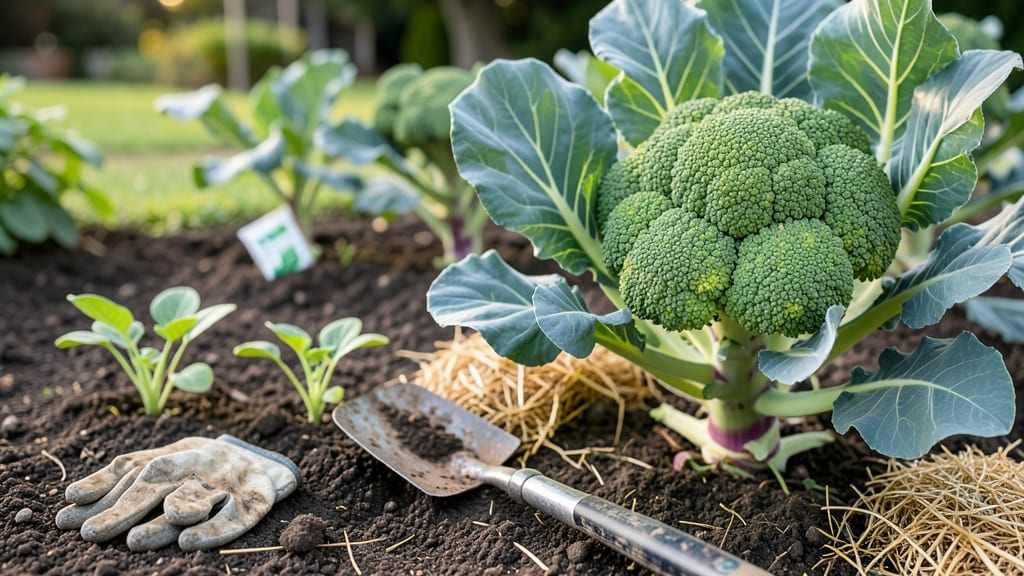
Planting broccoli 🥦 in Connecticut at the wrong time can mean bolting heads or stunted growth—but getting the timing right guarantees a bountiful harvest before summer heat takes over. The key is working with CT’s short growing season and unpredictable frosts, not against them.
Most gardeners in zones 5b-6b know spring is the prime window, but did you know fall plantings often outperform spring? The trick lies in calculating 4-6 weeks before your last frost date (typically mid-April) for early varieties, while late-season plantings need to go in by early September.
I’ll break down exactly when to start seeds indoors vs. direct-sowing outdoors, which varieties handle CT’s cool nights best, and how to stretch your harvest through succession planting. No more guessing—just proven strategies for cold-hardy broccoli that thrives in Connecticut’s climate.
Ready to grow broccoli that’s ready to harvest by June? Let’s dive into the precise planting schedule that’ll have your garden producing firm, flavorful heads all season long—without the common pitfalls that trip up even experienced gardeners.
Best planting windows for broccoli in Connecticut: weeks before last frost
Connecticut’s USDA Zones 5b-6b offer two prime windows for planting cold-hardy broccoli: early spring and late summer.
The key is planting 4-6 weeks before your average last frost date (typically April 15–May 15) for spring crops, or 8-10 weeks before first frost (around September 15–October 15) for fall harvests.
Coastal areas like New London may have slightly later frost dates, while inland regions like Hartford can experience earlier frosts.
Broccoli thrives in cool temperatures (50–75°F), making it ideal for Connecticut’s short growing season. Planting too early risks bolting (premature flowering), while late planting may result in stunted heads before summer heat arrives.
Use frost dates as your guide, not calendar months, since CT’s weather is famously unpredictable.
For spring planting, aim to sow seeds or transplant seedlings 4–6 weeks before last frost. In Connecticut, this usually means mid-March to early April for most regions. If you’re using transplants, choose hardy varieties like ‘Waltham 29’ or ‘Calabrese’ that can handle light frosts without damage.
Fall planting is equally critical for a second harvest. Start seeds 8–10 weeks before first frost, which in CT translates to late July to early August. This timing ensures broccoli matures before fall frosts arrive in October. Use row covers to extend the season if needed.
Here’s how to adjust for Connecticut’s microclimates:
- Coastal areas (e.g., Groton, Stamford): Plant 1–2 weeks later due to delayed frosts.
- Inland valleys (e.g., Farmington, Torrington): Plant 1–2 weeks earlier for safety.
- High elevations (e.g., Litchfield Hills): Stick to earlier planting dates—frosts arrive sooner.
If you’re starting seeds indoors, begin 6–8 weeks before transplanting to avoid delays. Use grow lights or a sunny windowsill to keep seedlings strong. Harden off transplants for 7–10 days before moving them outdoors to prevent shock.
For container gardening, choose compact varieties like ‘Little Sperry’ and plant 2–3 weeks later than in-ground crops, as containers warm up faster. Ensure pots have drainage holes and use lightweight potting mix to prevent waterlogging.
Monitor your garden for early signs of bolting, like tall stems and yellowing leaves. If heat stress occurs, provide afternoon shade with floating row covers or shade cloth. Mulch with straw or grass clippings to retain moisture and regulate soil temperature.
By following these CT-specific planting windows, you’ll maximize your broccoli yield and avoid common pitfalls like premature bolting or frost damage. Start with the right timing, and you’ll enjoy fresh, homegrown broccoli from late spring through fall! 🥦
Top cold-hardy broccoli varieties for Connecticut gardens
Choosing the right broccoli varieties for Connecticut’s cool, variable climate makes all the difference between a thriving harvest and a disappointing one. With USDA zones 5b-6b and short summers, you need varieties that tolerate light frosts and mature quickly before heat stress sets in.
I’ve tested these top performers in my own CT garden—here’s what works best.
For early spring plantings, look for varieties with high cold tolerance that can handle temperatures down to 25°F. In fall, prioritize varieties that resist bolting from warm days and cool nights.
The key is matching the variety to your planting window and soil conditions—especially important in CT’s heavy clay soils.
| Variety | Days to Maturity | Cold Tolerance | Best Planting Window | Head Size |
|---|---|---|---|---|
| Waltham 29 | 58-65 days | Excellent (25°F) | Early spring (March-April) | Medium (6-8") |
| De Cicco | 50-60 days | Good (28°F) | Late summer (August-Sept) | Small (4-6") |
| Calabrese | 65-75 days | Moderate (30°F) | Mid-spring (April) | Large (8-10") |
| Packman | 55-65 days | Good (28°F) | Spring or fall | Medium (6-8") |
| Green Goliath | 60-70 days | Excellent (25°F) | Early spring | Large (8-10") |
My personal favorite for spring plantings is Waltham 29—it handles CT’s cool nights and produces hearty heads by early June. For fall, De Cicco is a game-changer because it matures quickly and resists bolting from warm September days.
Pro tip: If you’re planting in heavy clay soil (common in CT), amend with compost to improve drainage—this helps prevent root rot in these varieties.
For succession planting, I recommend mixing early and late varieties. Plant Waltham 29 in early March for June harvests, then follow with Packman in late April for late summer production. This staggered approach ensures you’re harvesting broccoli every 6-8 weeks throughout the growing season.
One variety to avoid in CT is Romanesco—it’s beautiful but struggles with our humid summers and often bolts prematurely. Instead, stick with the cold-hardy options above, and you’ll enjoy fresh, homegrown broccoli from spring through fall without the common pitfalls.