
Plants
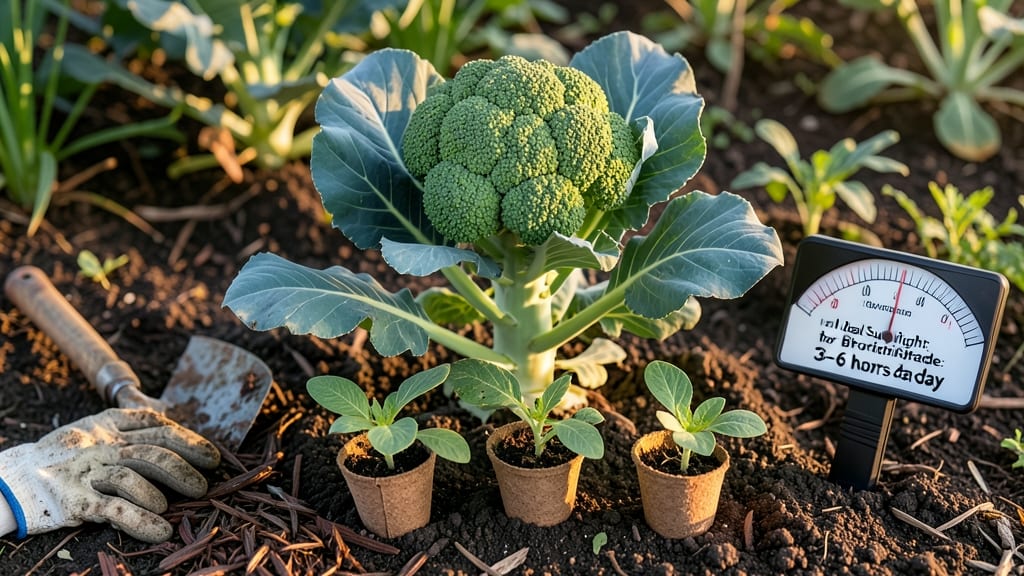
Planting broccoli in Houston might seem like a gamble—between the sweltering summers and those sneaky early frosts—but getting the timing right means zero-frost headaches and a bountiful harvest.
The key is starting your 🥦 4 to 6 weeks before Houston’s first frost (around mid-December), which lands you in late September or early October for fall planting.
Why does timing matter so much here? Houston’s 9a climate throws curveballs: residual summer heat can stifle young plants, while coastal areas stay warmer longer than inland spots.
That’s why I’ll break down the exact windows for both fall and winter crops, plus how to tweak your approach based on whether you’re near the Gulf or further inland.
You’ll also discover how to prep your soil for Houston’s heavy clay, when to use shade cloth to beat the heat, and which broccoli varieties thrive here—Calabrese for cold tolerance or De Cicco for compact growth.
No more guessing games; just a foolproof plan to grow broccoli that outlasts the local weather.
Ready to turn your Houston garden into a broccoli powerhouse? Let’s dive into the step-by-step schedule that’ll have you harvesting through winter—without a single frost-related setback.
Houston’s broccoli planting calendar: best fall start dates by variety
Houston’s USDA Zone 9a climate means broccoli thrives in cool-season windows—but timing is everything. Plant too early, and summer’s lingering heat sends your broccoli bolting (flowering prematurely).
Too late, and frost arrives before harvest. The sweet spot? Late summer to early fall for a fall crop, with a second chance in winter for hardy varieties.
For Houston gardeners, the average last frost date is November 15, while the first frost typically hits around December 15. This gives you a 6-week window to plant broccoli for a harvest before winter sets in.
But don’t wait until October—start seeds or transplants 4-6 weeks before your target harvest date to ensure maturity.
Here’s how to align your planting with Houston’s climate, broken down by broccoli variety and planting window. Each type has unique heat tolerance and growth speed, so choosing the right one for your schedule is key.
🌱 Broccoli Varieties for Houston:
- Calabrese: Classic green heads, 60-80 days to harvest. Best for fall planting.
- De Cicco: Smaller, 50-60 days to maturity—ideal for quick harvests.
- Purple Sprouting: Cold-hardy, 70-90 days, perfect for winter crops.
| Variety | Planting Window | Days to Harvest | Houston-Specific Tip |
|---|---|---|---|
| Calabrese | August 15–September 15 | 60–80 days | Use shade cloth in late September to protect from heat spikes. |
| De Cicco | September 1–October 1 | 50–60 days | Fastest variety—great for late-season harvests before frost. |
| Purple Sprouting | November 1–December 15 | 70–90 days | Cold-hardy—plant after first frost for winter harvests. |
For a continuous harvest, stagger your plantings. Start with Calabrese in mid-August for a fall crop, then follow with De Cicco in early September to extend your harvest window.
If you’re ambitious, add Purple Sprouting in November for a winter surprise—just protect it with row covers if temperatures dip below 20°F.
Houston’s clay-heavy soil can be a challenge for broccoli, which prefers well-draining, slightly acidic soil (pH 6.0–7.0). Before planting, amend your soil with 2–3 inches of compost and organic matter like leaf mold. This improves drainage and retains moisture during Houston’s hot, dry spells.
Pro tip: Test your soil before planting. Houston’s alkaline soil (common in our region) can lock out nutrients. If your pH is above 7.0, add sulfur or peat moss to lower it. Aim for a 6.5 pH for optimal broccoli growth.
Watering is another critical factor. Broccoli needs 1–2 inches of water weekly, but Houston’s humid summers can make overwatering just as harmful as underwatering. Mulch around plants with straw or wood chips to retain moisture and keep roots cool. Avoid wetting the leaves to prevent disease.
Finally, watch for cabbage worms and aphids, which love Houston’s warm, humid conditions. Handpick pests early or use neem oil as a preventive spray. For organic control, plant nasturtiums nearby—they repel pests naturally.
With these Houston-specific timing tips, you’ll avoid the common pitfalls of bolting, poor germination, and frost damage. Next up: how to adjust your planting strategy for Houston’s heatwaves and humidity—because even the best calendar needs flexibility when summer lingers.
How to adjust broccoli planting for Houston’s heat and humidity
Houston’s summer heat and humid air can stress broccoli seedlings, but smart adjustments ensure success. Start by choosing shade-tolerant varieties like De Cicco or Waltham 29, which handle heat better than standard Calabrese.
Use 30-50% shade cloth during peak summer months (June–August) to keep soil temps below 80°F—critical for germination.
For direct sowing, wait until late August when soil temps drop below 75°F. If transplanting, start seeds indoors in July under grow lights to avoid bolting. Houston’s clay-heavy soil drains poorly—amend with compost and perlite to improve aeration and moisture retention.
🌱
| Method | Best Month | Shade Needs | Soil Prep |
|---|---|---|---|
| Direct Sowing | Late August–Early September | 30-50% shade cloth | Compost + perlite |
| Transplanting | September–October | Partial shade (afternoon) | Well-draining mix |
| Indoor Start | July (grow lights) | None (controlled) | Sterile seed mix |
Watering is critical in Houston’s humidity—broccoli needs 1-2 inches weekly, but avoid overhead watering to prevent disease spread. Use drip irrigation or soaker hoses to deliver moisture directly to roots. Mulch with straw or wood chips to retain moisture and regulate soil temp.
For extended harvests, succession plant every 2 weeks from September to November. If you miss the fall window, try a winter crop in December—just protect seedlings with row covers during cold snaps. Houston’s microclimates (coastal vs. inland) can shift frost dates by weeks, so monitor local forecasts closely.
🌿