
Plants
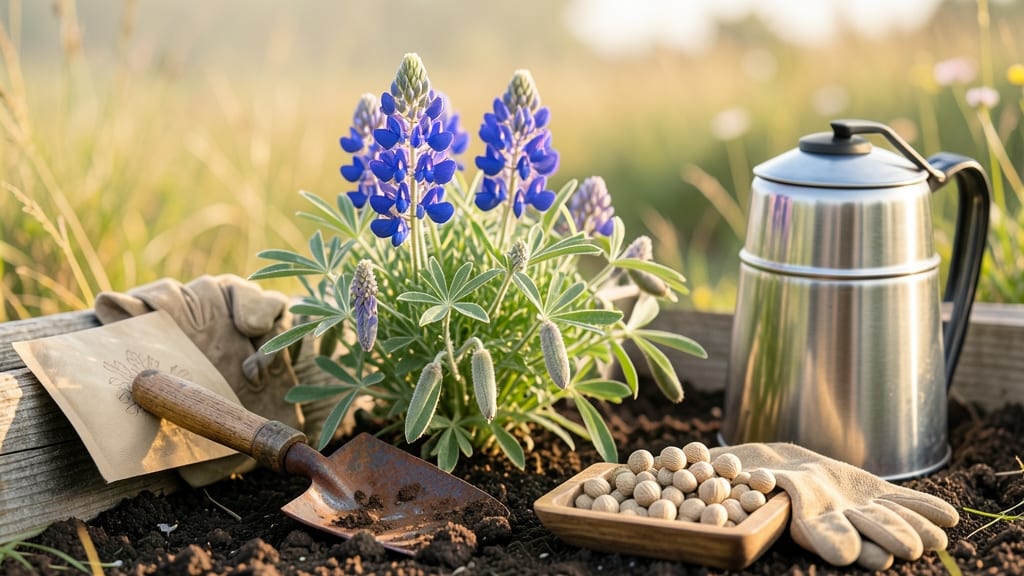
Planting bluebonnets at the wrong time in North Texas can mean waiting years for those dreamy blue carpets to appear—or never seeing them at all. The key to vibrant spring blooms isn't just about throwing seeds into the ground; it's about timing them perfectly with your local climate.
For gardeners in zones 7b-8b, the ideal window stretches from late September to mid-November, when soil temperatures drop just enough to trigger germination while avoiding the harshest winter frosts.
This fall planting strategy ensures your 🌸 bluebonnets establish roots before winter dormancy, setting the stage for a spectacular spring show.
Skipping this window risks planting too late (when frost hits) or too early (when summer heat can bake seeds). I'll walk you through exactly how to read your North Texas microclimate, adjust for elevation, and prepare your soil so your seeds don't just survive—they thrive.
Let's turn your lawn into a Texas masterpiece, one perfectly timed seed at a time. Ready to learn the secrets that make the difference between a few scattered blooms and a sea of blue?
Optimal bluebonnet planting windows in North Texas by month
Bluebonnets (Lupinus texensis) thrive in North Texas's USDA Zones 7b-8b, but their planting timing is everything. The ideal window is late fall—when soil temperatures drop below 70°F but before hard frosts.
This ensures seeds germinate in cool weather, producing robust roots before spring blooms. Let’s break down the best months and what to watch for each.
North Texas’s first frost typically hits around mid-November, but bluebonnets need 4-6 weeks of cool soil to germinate. Planting too early (like August) risks premature sprouting and weak seedlings, while waiting until December may mean seeds fail to germinate before spring.
Aim for late September through mid-November for the sweet spot.
Here’s how to align your planting with North Texas’s monthly climate patterns:
| Month | Best for Planting? | Soil Temp (°F) | Germination Risk | Notes |
|---|---|---|---|---|
| August | ❌ No | 75–90°F | High (seeds sprout too fast) | Wait for cooler soil. |
| September | ✅ Yes (Early) | 70–80°F | Low (ideal for slow germination) | Best for early blooms next spring. |
| October | ✅ Best | 60–70°F | None (perfect conditions) | Peak germination window. |
| November | ✅ Yes (Late) | 50–60°F | Low (seeds dormant until spring) | Plant before hard frost. |
| December | ⚠️ Risky | 40–50°F | High (seeds may not sprout) | Only if soil isn’t frozen. |
| Spring | ❌ No | 60–80°F | High (seeds need cold stratification) | Wait for fall. |
For early blooms, prioritize September-October planting. Seeds sown in October will often produce the most vibrant spring displays because they’ve had time to establish roots before winter. If you miss fall, spring planting won’t work—bluebonnets require a cold stratification period to break dormancy.
North Texas’s clay-heavy soils can delay germination, so avoid planting after mid-November. If you’re in higher elevations (like the Davis Mountains), push planting to early October to avoid early frosts. For lowland areas (e.g., Dallas-Fort Worth), late November is still safe if the ground isn’t frozen.
Pro tip: Scatter seeds lightly—they need sunlight to germinate. A thin layer of mulch (like straw) after planting helps retain moisture without smothering seeds. Avoid heavy mulch, which can trap heat and trigger premature sprouting in warm spells.
Watch for soil moisture after planting. Bluebonnets need consistent but not soggy soil. If rains are scarce in fall, give seeds a light watering every 7–10 days until spring. Overwatering now can drown seeds or cause rot.
Timing isn’t just about months—it’s about weather cues. Plant when daytime highs dip below 75°F and nights stay above 40°F. Use a soil thermometer to confirm temps are below 70°F at planting time. This ensures seeds stay dormant until spring’s warmth triggers growth.
Optimal bluebonnet planting windows in North Texas by month
North Texas gardeners know bluebonnets thrive on timing—plant too early, and summer heat will bake your seeds before germination. Plant too late, and winter frosts can prevent root establishment. The prime window for sowing these cold-hardy wildflowers stretches from late September through mid-November, aligning with USDA zones 7b-8b conditions.
This timing ensures seeds germinate in cool soil temperatures (60-70°F), avoiding both summer drought and harsh winter freezes. For gardeners in higher elevations (like the Hill Country), aim for the earlier end of this window (September-October)—cooler mountain air arrives sooner.
Meanwhile, lower elevations (like Dallas-Fort Worth) can safely plant until mid-November.
Soil temperature is your best indicator—wait until it drops below 80°F (use a soil thermometer if unsure). October is the sweet spot for most North Texas regions, offering consistent moisture and mild daytime temps perfect for seedling growth.
| Month | Ideal Planting Time | Soil Temp (°F) | Weather Conditions |
|---|---|---|---|
| Late September | Early fall (after first frost) | 70-80°F | Warm days, cool nights |
| October | Prime window (best success) | 60-70°F | Moderate rain, mild temps |
| November | Early November (before frost) | 50-60°F | Cooler, possible light frosts |
| December | Risky (late frosts) | Below 50°F | Frost likely; poor germination |
| Spring (March-April) | Possible, but slower growth | 70-80°F | Hot, dry conditions |
While fall planting is ideal, you can still try spring planting (March-April)—just expect slower germination and less vibrant blooms. Seeds sown in spring compete with summer heat and may not establish as strongly.
For best results, stick to the fall window and let winter rains do the work of settling seeds into the soil.
Pro tip: Scatter seeds thinly (about 1/4 lb per 1,000 sq ft) and don’t bury them—bluebonnets need light to germinate. A light foot rake or garden hoe to scratch the soil surface is all they need.
Let nature handle the rest—these Texas natives are built to thrive with minimal fuss.
Timing isn’t just about months—it’s about reading your microclimate. Check your local weather station for frost dates and adjust accordingly. With the right window, you’ll be rewarded with vibrant blue carpets by spring that’ll make your neighbors green with envy. 🌸