
Plants
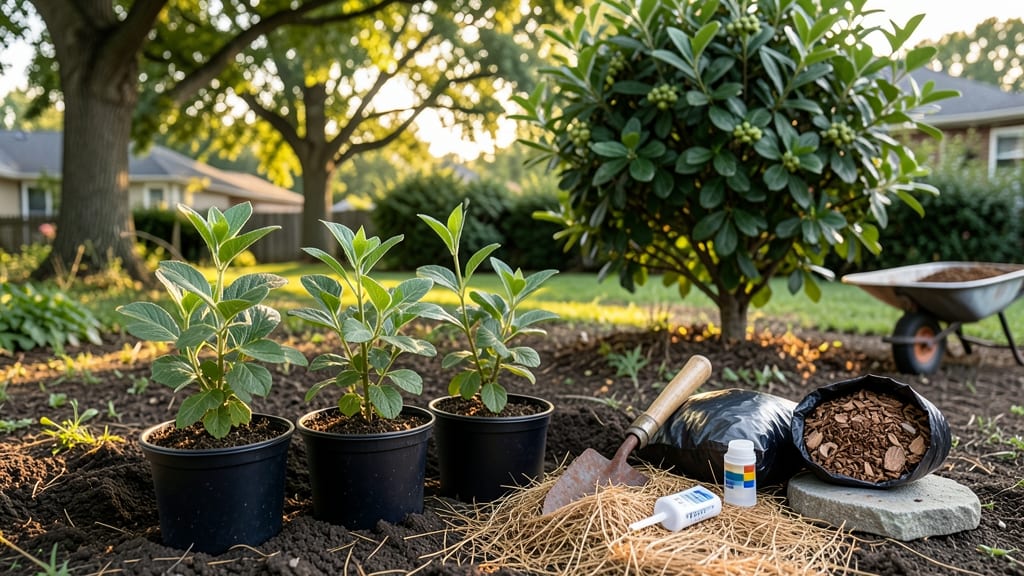
Planting blueberries in Kentucky at the wrong time could mean smaller harvests—or no berries at all. The chill-hour requirements of these shrubs 🫐 are the real secret to success, and Kentucky’s 6a-7a zones demand precision.
Most gardeners make one of two mistakes: planting too early, when frost still lingers, or too late, when summer heat stresses young roots. But timing it right—whether in late winter or early fall—sets the stage for bigger yields and healthier plants.
I’ll walk you through the exact windows that work best in Kentucky, including how to match varieties to your local climate. Whether you’re in Louisville’s urban heat islands or Lexington’s cooler hills, these tips will help you avoid common pitfalls.
Ready to grow blueberries that thrive? Let’s get into the science—and the simple steps—to make your first harvest the best one yet.
Best planting months in Kentucky based on chill-hour requirements
Kentucky’s USDA zones 5b–7a and chill-hour ranges (500–1,000 hours) mean timing matters for blueberries. Plant too early, and young roots freeze. Too late, and summer heat stresses them. Spring (March–April) and fall (September–October) are your safest windows, but the best choice depends on your variety and microclimate.
Northern Kentucky—think Lexington and Louisville—has colder winters (600–800 chill hours), favoring Northern Highbush types like ‘Bluecrop.’ Southern KY (7a, 400–600 chill hours) thrives with Southern Highbush or Rabbiteye varieties like ‘Tifblue.’ Always check your last frost date (March 15 for most areas).
Spring planting (March–April) gives roots time to establish before summer heat. Fall planting (September–October) lets roots grow before winter dormancy. Both work, but fall is riskier in Zone 5b due to early frosts. I recommend spring for beginners—less guesswork!
For container-grown blueberries, you can plant 1–2 weeks earlier in spring since pots warm faster. Just ensure your container has drainage holes to prevent root rot in Kentucky’s humid summers. Pro tip: Use a 50/50 mix of peat moss and pine bark for ideal acidity.
Here’s the chill-hour breakdown for Kentucky’s top regions:
- Northern KY (Bowling Green, Owensboro): 700–900 hours
- Central KY (Lexington, Louisville): 600–800 hours
- Southern KY (Paducah, Henderson): 400–600 hours
🌱 Kentucky Blueberry Planting Timeline by Season
| Season | Best Planting Window | Chill-Hour Fit | Soil Prep Tip |
|---|---|---|---|
| Spring | March 1–April 15 | 500–1,000 hours | Amend soil with sulfur to reach pH 4.5–5.5 |
| Fall | September 15–October 15 | 600–900 hours | Add 2–3 inches of mulch for winter protection |
| Container | March 15–April 30 | All chill-hour zones | Use acidic potting mix (pH 4.0–5.0) |
⏰ Pro Tip: Plant bare-root blueberries in spring or container-grown in fall for best survival rates.
If you’re in Zone 7a (Southern KY), prioritize fall planting for Rabbiteye varieties like ‘Climax.’ These need 400–600 chill hours and benefit from early root establishment. In Zone 5b (Northern KY), stick to spring planting to avoid winter dieback.
Kentucky’s humid summers mean blueberries need well-draining soil. If your yard has clay, amend with compost and pine fines to improve aeration. Test your soil’s pH—blueberries hate alkaline soil. Aim for 4.5–5.5 pH; if yours is higher, add elemental sulfur 2–3 months before planting.
For urban gardeners in Louisville or Lexington, containers are a great option. Just ensure pots are at least 18 inches deep and use a slow-release acid fertilizer like Osmocote. Water deeply twice weekly in summer to mimic Kentucky’s natural rainfall patterns.
Remember: Blueberries are perennial, so planting correctly now saves years of frustration later. Whether you choose spring or fall, focus on soil prep, chill-hour matching, and proper spacing (3–6 feet apart). With these steps, you’ll be picking juicy, homegrown blueberries in 2–3 years!
How to match blueberry varieties to Kentucky’s climate zones
Kentucky’s USDA zones 5b–7a create a perfect mix of cold winters and warm summers, but not all blueberry varieties thrive equally. The key? Matching chill-hour requirements (500–1,000 hours) to your specific location.
Northern Kentucky’s cooler microclimates (e.g., Paducah) favor Northern Highbush types, while Southern Kentucky’s milder winters (e.g., Bowling Green) suit Southern Highbush or Rabbiteye hybrids. Let’s break it down by zone and variety.
For Northern Kentucky (zones 5b–6a), prioritize varieties like ‘Duke’ or ‘Bluecrop’, which need 600–800 chill hours. These Northern Highbush types handle late frosts better and produce earlier.
In Central Kentucky (zone 6b–7a), hybrid varieties like ‘Tifblue’ or ‘Climax’ shine—they balance chill needs (400–600 hours) with heat tolerance. Southern Kentucky’s milder winters (zone 7a) are ideal for Southern Highbush like ‘Misty’, which thrives with just 300–500 chill hours.
| Variety Type | Chill Hours Needed | Best Kentucky Zones | Harvest Window |
|---|---|---|---|
| Northern Highbush | 600–800 hrs | 5b–6a (Northern KY) | Late June–July |
| Hybrid (Tifblue) | 400–600 hrs | 6b–7a (Central KY) | July–Early Aug |
| Southern Highbush | 300–500 hrs | 7a (Southern KY) | Early July–Aug |
| Rabbiteye (e.g., ‘Powderblue’) | 500–700 hrs | 6a–7a (Transitional) | Late July–Aug |
Pro tip: If you’re in a transitional zone like Louisville (zone 6b–7a), opt for ‘Bluegold’ or ‘O’Neal’—they’re heat-tolerant and adaptable. For container gardening, dwarf varieties like ‘Top Hat’ (300–500 chill hours) work year-round, even in urban areas.
Always check your local Cooperative Extension Service for microclimate tweaks—Kentucky’s Appalachian foothills can add 100+ extra chill hours compared to the Bluegrass Region.
Once you’ve picked your variety, soil pH is non-negotiable. Kentucky’s native clay soils often run pH 6.5–7.5, but blueberries demand acidic soil (4.5–5.5). Amend with peat moss or sulfur 2–3 months before planting.
Test your soil in early spring—Kentucky’s wet springs can delay soil prep, so plan ahead. If you’re in Southern Kentucky’s limestone-heavy areas, expect to amend more aggressively.
Don’t overlook pollination partners. Plant at least two compatible varieties (e.g., ‘Duke’ + ‘Bluecrop’) within 50 feet for cross-pollination. In Northern Kentucky’s windier zones, this is critical—bees are less active in cooler springs. For container growers, choose self-pollinating types like ‘Peach Sorbet’ to simplify harvests.
Final rule: Plant in early spring (March–April) for Northern Highbush types or fall (September–October) for Southern Highbush/Rabbiteye. Fall planting gives roots time to establish before Kentucky’s freezing winters, but avoid planting after October 15th—new growth won’t harden off before frost.
Mulch with pine straw or wood chips to insulate roots, especially in zone 6a and below.