
Plants
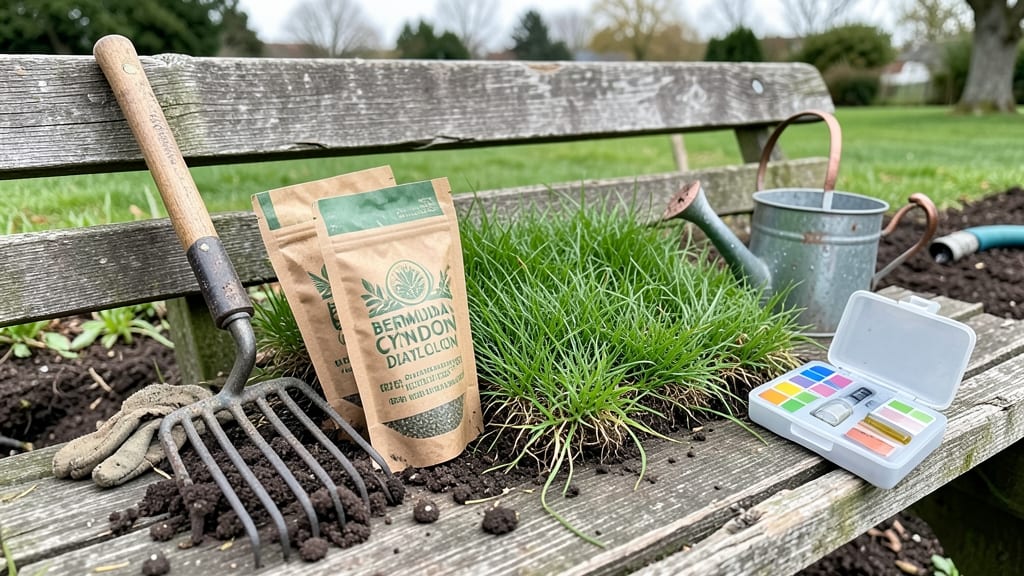
Planting Bermuda grass seeds at the wrong time in Texas can mean slow growth, weak roots, or even failure—so timing is everything for a lush, drought-resistant lawn.
If you're dreaming of that vibrant 🌱 Bermuda grass lawn but live in Texas, where temperatures swing from scorching summers to mild winters, you need to know the exact windows that work.
The right timing isn’t just about avoiding frost—it’s about letting your seeds take root when the soil is warm enough to support fast germination and strong establishment.
Most gardeners in Texas get it wrong by planting too early or too late, leading to wasted seeds and frustration. But here’s the good news: with just two ideal planting periods—spring and late summer—you can set your lawn up for success.
I’ll break down the best months for your specific heat zone, so you can skip the guesswork and get that thick, green carpet you’re after.
Ready to transform your yard? Let’s dive into the critical factors that’ll help your Bermuda grass seeds thrive from day one, no matter where you are in the Lone Star State.
Best planting windows for Bermuda grass seeds in Texas by heat zone
Texas’ extreme heat and varied climate mean your Bermuda grass planting window depends on your heat zone. The state is divided into three key zones (A, B, C), each with distinct last frost dates and soil warming patterns.
Planting too early risks frost damage, while waiting too long can stress seeds in scorching summer heat.
For Zone A (North Texas), like Dallas and Fort Worth, aim for late March to early May or early August to early September. These windows align with soil temperatures hitting the 65°F+ threshold needed for germination.
Southern Texas (Zone C, Houston, San Antonio) can start as early as mid-February to late April or late July to mid-September.
Central Texas (Zone B, Austin, Waco) falls between these extremes, with ideal windows of late February to early May or early August to early September.
Always verify local last frost dates—North Texas averages February 15, while South Texas sees its last frost by January 15.
🌱
| Heat Zone | Primary Planting Window | Soil Temp Threshold | Key Considerations |
|---|---|---|---|
| Zone A (North TX) | Late March–Early May Early August–Early Sept |
65°F+ | Last frost: ~Feb 15; drought risk in summer |
| Zone B (Central TX) | Late Feb–Early May Early August–Early Sept |
65°F+ | Last frost: ~Feb 1; moderate rainfall |
| Zone C (South TX) | Mid-Feb–Late April Late July–Mid-Sept |
65°F+ | Last frost: ~Jan 15; humid summers |
| All Zones | Avoid June–July | N/A | Extreme heat (>95°F) inhibits germination |
Spring planting (March–May) gives seeds 6–8 weeks to establish before summer heat peaks. This window also aligns with increased rainfall, reducing irrigation demands. The fall window (August–September) offers cooler soil temps and fewer weeds, but act fast—seeds must sprout before first frost (Nov–Dec).
Pro tip: Use a soil thermometer to confirm 65°F+ soil temps at 4-inch depth. If temps drop below this, germination stalls. For Zone A, monitor for late-spring heatwaves—delay planting if daytime temps exceed 90°F for 3+ days.
In Zone C, prioritize early spring planting to outpace summer humidity, which fuels fungal diseases like brown patch. If planting in fall, choose late August to maximize growth before first frost. Always select drought-resistant Bermuda varieties like Tifway 419 or MidIron for Texas’ unpredictable climate.
🌡️
Adjust your timeline if unseasonal weather disrupts norms. For example, 2023’s record heat in North Texas pushed last frost dates 2 weeks later than average. Check Texas A&M AgriLife Extension for real-time updates, or use Almanac’s frost calculators to tailor your schedule.
Finally, overseeding in fall can extend your lawn’s green season. Plant ryegrass alongside Bermuda in September to maintain coverage during winter dormancy. This hybrid approach works best in Zone A/B, where winters are cooler.
✂️
Critical factors that determine your Bermuda grass seed planting timeline
Texas' extreme heat and variable climate make timing the most critical factor for Bermuda grass seed success. Unlike cooler grasses, Bermuda thrives in soil temperatures above 65°F—planting too early risks seed rot, while waiting too long delays root establishment before summer's brutal heat.
Your local heat zone (A, B, or C) dictates the perfect window, but even within zones, last frost dates and rainfall patterns shift yearly.
For North Texas (Zone 8a), aim for April 15–May 1 when soil warms consistently, while South Texas (Zone 9b+) can start as early as March 1—but only if nighttime temps stay above 55°F.
Even then, drought conditions can stall germination, so monitor weekly rainfall or supplement with drip irrigation during dry spells. Pro tip: Use a soil thermometer to confirm 65°F+ depths before planting.
Seeds rot in cool, wet soil below 60°F. Even if frost risk passes, North Texas soils often stay too cold until mid-April. Wait for 3 consecutive days of 65°F+ soil temps at 2-inch depth.
Adjust your timeline based on weed competition—Bermuda grows slowly at first. If planting in spring, time it for 2–3 weeks before your area's peak weed germination (typically late April in most of Texas).
For fall plantings, target early August to beat summer's heat stress while still allowing 6–8 weeks of growth before first frost. In East Texas, humidity and fungal risks demand earlier spring or later fall starts.
Don’t overlook irrigation readiness. Bermuda seeds need consistent moisture but hate soggy soil.
If your area faces flash droughts (common in West Texas), schedule planting for early spring when spring rains typically arrive, or invest in automated sprinklers for daily light watering (¼ inch) until germination. Overwatering after sprouts appear is just as harmful as underwatering.
Use Texas A&M AgriLife Extension's frost maps to pinpoint your last frost date, then add 4–6 weeks for safe planting. For example, Dallas (Zone 8a) averages its last frost on February 15, but wait until April 1—soil stays too cold earlier.
In Houston (Zone 9a), you can plant by March 1, but South Texas (Zone 10a) offers a year-round window with minimal frost risk.
Finally, shade patterns matter. Bermuda struggles in partial shade (less than 6 hours of sun), so avoid planting under trees or structures that cast afternoon shade.
If your yard has morning shade only, you can plant 1–2 weeks earlier since Bermuda tolerates morning coolness better than afternoon heat stress. Always scout your yard at solar noon to assess true sun exposure.