
Plants
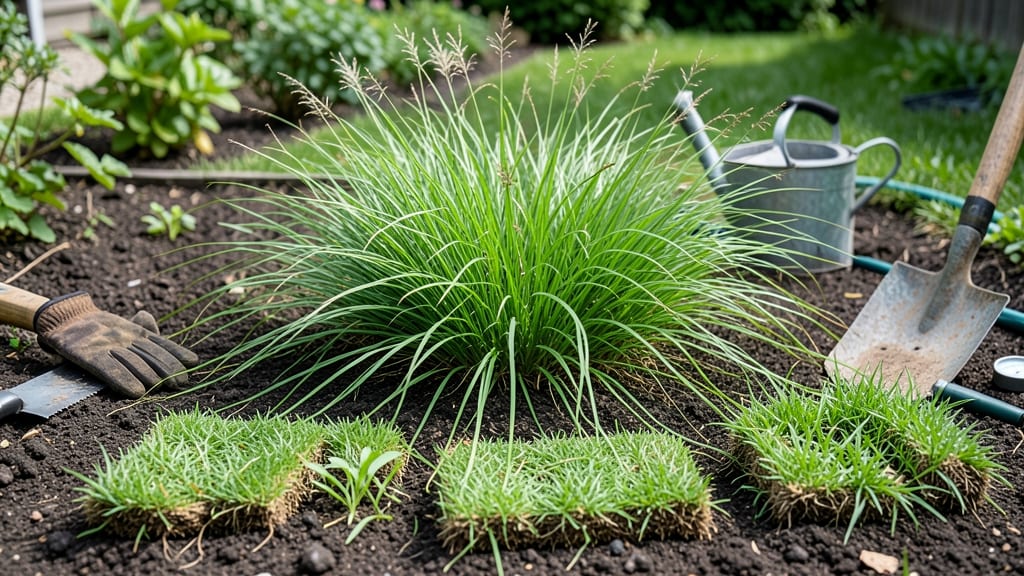
Planting Bermuda grass at the wrong time in Missouri can turn your dream of a lush lawn into a frustrating gamble—especially when those late spring temperatures swing unpredictably.
This warm-season grass thrives when soil hits 65°F+, but rushing too early (before the last frost) risks stunted growth or seed failure.
For Missouri gardeners in zones 5b-6b, timing isn’t just about the calendar—it’s about soil temperature and regional microclimates. Southern Missouri’s warmer pockets (like St. Louis) can start planting as early as mid-April, while northern areas (like Kansas City) should wait until late May to avoid frost damage.
The key? Wait for consistent warmth and firm, dry soil.
I’ll break down the exact window for your region, plus pro tips to jumpstart growth—like how a light mulch can protect seedlings from Missouri’s infamous heat spikes. Whether you’re seeding or laying sod, these strategies will help you skip the trial-and-error phase and get that deep green spread you’re after.
Ready to transform your lawn? Let’s dive into the step-by-step schedule that’ll have your Bermuda grass thriving by summer’s peak—no guesswork required.
Optimal planting windows for Bermuda grass in Missouri’s climate zones
Missouri’s USDA zones 5b-6b create unique challenges for Bermuda grass planting, where timing can make or break your lawn’s success. The key is planting when soil temperatures consistently hit 65°F (18°C)—this triggers germination and prevents seedling shock from cool nights.
In southern Missouri, this window opens mid-April to early May, while northern regions should wait until late May.
Bermuda grass thrives as a warm-season grass, meaning it needs heat to activate. Planting too early—before last frost (April 15 in most areas)—risks seed rot or stunted growth. Conversely, delaying until June or later may leave your lawn vulnerable to summer weeds or uneven establishment.
Here’s how Missouri’s three distinct regions (southern, central, northern) affect planting timing:
| Region | Ideal Planting Window | Soil Temp Threshold | Key Risk |
|---|---|---|---|
| Southern MO (e.g., St. Louis) | Mid-April to early May | 65°F+ (consistent) | Late frosts (after April 15) |
| Central MO (e.g., Columbia) | Late April to early May | 65°F+ (consistent) | Unpredictable spring temps |
| Northern MO (e.g., Kansas City) | Late May to early June | 65°F+ (consistent for 7+ days) | Weed competition in summer |
*Use a soil thermometer to verify temperatures before planting.
For seed-based plantings, aim for late spring (May-June) when daytime highs exceed 80°F.
Seeds germinate faster in warm soil, but they’re more vulnerable to birds and drought. Sod installations, however, can start as early as April in southern Missouri if you’re prepared to protect it with frost cloth during unexpected cold snaps.
Missouri’s variable rainfall adds another layer—planting during dry spells (like late summer) requires daily watering for the first 2 weeks. Use a rain gauge to track moisture; Bermuda grass needs 1-1.5 inches of water weekly during establishment, but too much can suffocate seeds.
Pro tip: Test your soil’s pH (ideal range: 6.0-7.0) before planting. Missouri’s clay-heavy soils often need gypsum or lime to improve drainage and nutrient absorption. A simple $20 soil test kit from your local extension office saves headaches later.
If you miss the spring window, don’t despair—fall planting (August-September) is a viable backup. Bermuda grass can still establish before winter dormancy, though growth slows by October. Just choose cold-hardy varieties like ‘Midiron’ or ‘Tifway’ for northern Missouri.
Remember: Warm-season grasses like Bermuda go dormant in winter, so planting too late (after September 15) risks weak roots before freeze. Time it right, and you’ll have a dense, drought-proof lawn by summer’s end. 🌱
Optimal planting windows for Bermuda grass in Missouri’s climate zones
Missouri’s USDA zones 5b-6b create unique challenges for Bermuda grass planting. Unlike cool-season grasses, Bermuda thrives only when soil temperatures stay above 65°F (18°C)—a threshold Missouri hits between mid-April and early May in southern regions, but often late May in northern areas like St. Louis or Kansas City.
Planting too early risks seed rot from lingering cool soils, while waiting too long may miss the optimal 6-week growing window before summer heat peaks. The key is aligning your planting with Missouri’s second heat wave—typically June-July—when both air and soil temperatures provide ideal germination conditions.
| Region | Last Frost Date | Soil Warmth Threshold | Ideal Planting Window |
|---|---|---|---|
| Southern MO (Springfield) | March 20-April 5 | Mid-April (65°F) | April 15-May 15 |
| Central MO (Columbia) | April 1-April 15 | Late April (65°F) | May 1-May 30 |
| Northern MO (Kansas City) | April 15-May 1 | Early May (65°F) | May 15-June 15 |
| Fall Planting (All Regions) | N/A | Soil >60°F (15°C) | September 1-October 15 |
For Missouri gardeners, late May to early June represents the sweet spot for Bermuda grass establishment. This window ensures seeds germinate before summer’s intense heat and provides enough growing time before first fall frosts (typically November 1 in most regions).
Use a soil thermometer to confirm temperatures—plant only when readings hit 65°F+ consistently for 5+ days.
Pro tip: In northern Missouri, consider sod over seed for faster results. Sod establishes in 2-3 weeks versus 6-8 weeks for seed, giving you a head start before summer’s peak. Just ensure sod is laid when daytime temps exceed 75°F (24°C) to prevent shock.
Missouri’s variable rainfall also plays a role. After planting, monitor for 1-1.5 inches of water weekly—more during drought spells (common in July-August). Use a rain gauge to track moisture; Bermuda grass wilts quickly when stressed, signaling it’s time to water deeply.
Remember: Bermuda grass is dormant in winter, so fall planting is a smart backup. Aim for September-October when soil stays above 60°F (15°C), giving seedlings time to root before first frost.
This second planting window can extend your lawn’s growth season by 4-6 weeks before winter sets in.