
Plants
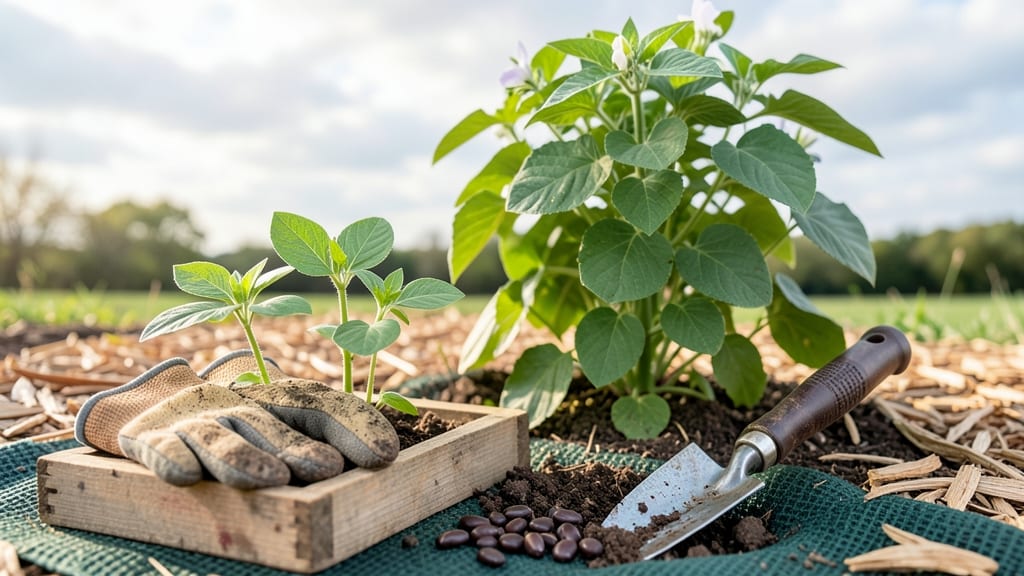
Planting beans in Utah might seem straightforward, but getting the timing right is the key to avoiding frost-nipped seedlings and maximizing your harvest. With USDA zones ranging from 5 to 8, Utah’s microclimates—from the Wasatch Front to the high desert—create unique challenges that demand precise planning.
Whether you’re in Northern Utah (zones 5-6) or Southern Utah (zones 7-8), the ideal window to plant beans is April 15 to June 1 for the north and March 15 to May 15 for the south.
But here’s the catch: late frosts, unpredictable weather, and soil temperature swings can throw off even the best-laid plans.
In this guide, I’ll break down the exact months to plant beans in your specific Utah region, plus pro tips for adjusting when Mother Nature doesn’t cooperate. You’ll learn how to time your planting for reliable harvests, whether you’re growing bush beans, pole beans, or heirloom varieties.
Ready to turn your garden into a bean bonanza? Let’s dive into the best strategies for Utah’s diverse growing zones—so you can enjoy fresh, homegrown beans from June all the way through September (or even October in the south).
Utah bean planting calendar: exact months by region for maximum yield
Timing your bean planting in Utah means accounting for four distinct microclimates, each with its own last frost date and soil warming patterns. Northern Utah’s cooler springs (like Cache Valley) demand patience, while Southern Utah’s desert zones (St. George) can start planting 6 weeks earlier.
Let’s break down the optimal planting windows by region to ensure your beans thrive.
For Northern Utah (USDA Zones 5-6), including Salt Lake City, Ogden, and Logan, aim to plant after April 15—at least 2 weeks after your average last frost. Soil temperatures should hit 60°F or warmer for reliable germination.
In Southern Utah (Zones 7-8), like Cedar City or Moab, you can start as early as mid-March, with ideal windows stretching through May 15.
The High Desert regions (e.g., Price, Duchesne) face unique challenges: cooler nights and faster soil drying. Here, plant late April to early May and use mulch or row covers to retain moisture.
The Wasatch Front (Salt Lake Valley) balances these extremes, with a mid-April to late May window that aligns closely with Northern Utah’s general guidelines.
Pole beans and bush beans have slightly different timing needs. Pole beans, which take longer to mature, benefit from earlier planting (March-April in Southern Utah, April in Northern). Bush beans, faster to harvest, can be sown 2-3 weeks later for a staggered harvest. For fall planting, Southern Utah gardeners can try a late-summer sowing in August, while Northern Utah’s shorter season limits fall attempts to early August at the latest.
| Region | USDA Zone | Last Frost Date | Optimal Planting Window | Soil Temp Requirement |
|---|---|---|---|---|
| Northern Utah (Logan, Ogden) | 5-6 | April 15 | April 30 - June 1 | 60°F+ |
| Wasatch Front (Salt Lake City) | 6 | April 15 | April 20 - May 15 | 60°F+ |
| Southern Utah (St. George, Cedar City) | 7-8 | March 15 | March 30 - May 15 | 55°F+ |
| High Desert (Price, Duchesne) | 5-6 | April 20 | May 1 - May 15 | 65°F+ |
| Fall Planting (Southern Utah Only) | 7-8 | October 15 | August 1 - August 15 | 60°F+ |
To refine your timing, monitor local forecasts from the Utah State University Extension or National Weather Service. A late frost in May can devastate early plantings, while heatwaves above 90°F may stunt growth in Southern Utah.
For pole beans, install trellises before planting—these vining varieties need 6-8 feet of vertical space and thrive with early support.
For container gardening in urban areas like Park City or Provo, start seeds indoors 4-6 weeks before your region’s last frost. Use biodegradable pots to transplant seedlings without disturbing roots.
In high-altitude gardens (above 6,000 ft), opt for cold-hardy varieties like ‘Provider’ or ‘Kentucky Wonder’, which tolerate cooler soils better than heat-loving types.
Pro tip: Succession planting every 2 weeks ensures a continuous harvest. In Northern Utah, this means April 15, May 1, and May 15 sowings. Southern Utah gardeners can stretch this to March 30, April 15, and May 1 for a June-to-October harvest.
Always water deeply after planting to encourage strong root development in Utah’s dry, alkaline soils.
Remember, beans are sensitive to transplant shock, so direct sowing is ideal. If starting indoors, harden off seedlings for 7-10 days before moving them outdoors. This gradual acclimation prevents wilting or stunted growth in Utah’s dry winds.
🌱
How to adjust planting dates for Utah’s unpredictable weather patterns
Utah’s weather can be as unpredictable as a desert mirage—one day it’s 60°F and sunny, the next it’s a surprise frost.
If you’ve ever planted beans too early and lost seedlings to a late frost, or too late and missed the harvest window, you know how frustrating this can be. The key to success? Flexible planting strategies that account for Utah’s microclimates and weather quirks.
For example, Northern Utah (like Salt Lake City) often sees late frosts into mid-April, while Southern Utah (like St. George) can experience heatwaves by early March.
Adjusting your planting dates based on real-time conditions—not just a calendar—can mean the difference between a bountiful harvest and a failed crop.
Here’s how to fine-tune your planting schedule for Utah’s unpredictable weather. Start by monitoring local frost forecasts from the Utah State University Extension or the National Weather Service. These resources provide hyper-localized alerts that can save your seedlings.
For instance, if the forecast predicts a 30% chance of frost after your planned planting date, consider delaying by 1-2 weeks or using row covers for protection.
Another trick is to plant in stages. Instead of sowing all your seeds at once, stagger plantings every 2 weeks from mid-April to early June in Northern Utah. This ensures a continuous harvest and reduces the risk of losing everything to a single late frost.
For Southern Utah, you can even try fall planting in August or September for a late-season harvest before the first frost in November.
If your soil is slow to warm up (common in high-altitude areas like Park City), use black plastic mulch or straw blankets to raise soil temperatures 5-10°F faster. This can shave 1-2 weeks off your planting timeline, giving you an earlier start.
Conversely, in hotter regions like Moab, shade cloth can protect young plants from intense afternoon sun, preventing heat stress.
Don’t forget about succession planting—this is especially useful in Utah’s short growing season. After your first harvest, replace spent plants with new seeds every 2-3 weeks to keep the harvest rolling.
For example, if your first batch of bush beans is ready in July, plant a second batch in late July for a September harvest.
Finally, keep an eye on soil moisture and temperature. Beans thrive when soil temps are consistently above 60°F, but if your area experiences drought conditions, prioritize deep watering over frequent shallow watering.
A soil thermometer is a $10 investment that pays off by ensuring your seeds germinate properly.
⚠️ Warning: Late Frost Risks in Utah
Utah’s late spring frosts (especially in Northern Utah) can devastate young bean plants. Here’s how to protect your garden:
- Use row covers or cloches for 2-3 weeks after planting.
- Avoid planting too early—wait until after May 1 in cooler zones.
- Choose cold-tolerant varieties like ‘Provider’ or ‘Kentucky Wonder’.
- Monitor forecasts and be ready to cover plants at night.
Pro tip: Pole beans are more frost-sensitive than bush beans, so plant them 2 weeks later.
By staying flexible and proactive, you can turn Utah’s unpredictable weather into an advantage. Whether you’re dealing with late frosts, heatwaves, or drought, these strategies will help you maximize your bean harvest no matter where you garden in the Beehive State.