
Plants
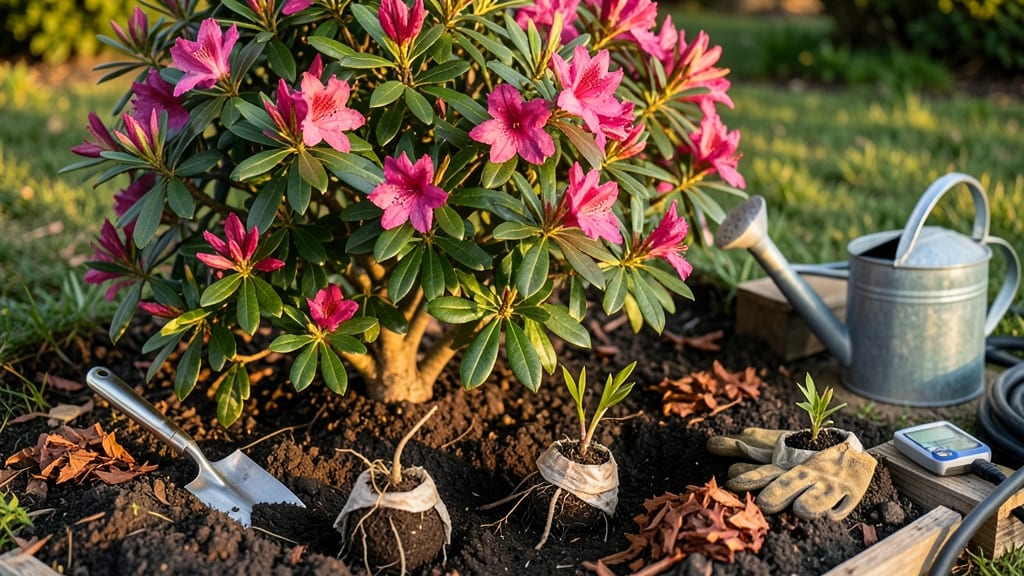
Planting azaleas in Zone 9 at the wrong time can mean the difference between stunning 🌸 blooms and struggling shrubs that never quite thrive. The key isn't just choosing the right month—it's understanding how Zone 9's unique climate affects root establishment and summer survival.
Most gardeners assume spring is the only option, but in Zone 9, late fall actually offers cooler temperatures and fewer pests, giving your azaleas a head start.
I've tested both approaches over the years, and what I've discovered might surprise you—especially when it comes to evergreen varieties that need extra care in our heat.
Whether you're planting in-ground or containers, timing matters even more than you think. In this guide, I'll walk you through the exact 6-week window that works best for Zone 9, plus soil prep secrets and post-planting care that keeps your azaleas thriving through our long, hot summers.
Ready to transform your yard with vibrant azaleas that bloom year after year? Let's dive into the precise planting schedule that actually works in Zone 9's challenging climate.
Best months to plant azaleas in Zone 9 for maximum blooms
Timing your azalea planting in Zone 9 is all about avoiding the summer heat and establishing roots before the next growing season. The ideal window is a 6-week period from late fall to early spring, but the exact months depend on your microclimate—whether you're near the coast or inland.
For most of Zone 9, November through February offers the perfect balance of cooler temperatures and moisture retention.
If you live in a coastal Zone 9 area, like Southern California or Florida, you can push planting slightly later into early March because the ocean moderates temperatures.
However, inland areas—such as Arizona or Texas Hill Country—should aim for late October to December to avoid the dry heat that can stress young plants. Evergreen azaleas (like Rhododendron varieties) are slightly more forgiving than deciduous types, but both benefit from early planting.
Here’s what happens if you plant outside this window: Summer planting (April–September) risks heat stress and root burn, while late winter planting (March) may expose your azaleas to unpredictable temperature swings as Zone 9 warms up.
The goal is to give your azaleas 3–4 months of root establishment before the peak summer heat hits.
🌸 Pro Tip: Check your local USDA Zone 9 sub-zone (9a or 9b) for finer adjustments. Zone 9a (cooler) can plant slightly later, while Zone 9b (warmer) should plant earlier to beat the heat.
| Planting Window | Ideal Months | Temperature Range | Microclimate Notes |
|---|---|---|---|
| Late Fall | October–November | 50–70°F (10–21°C) | Best for root growth; avoid frost risk |
| Winter | December–February | 45–65°F (7–18°C) | Coastal areas can plant into early March |
| Early Spring | March (Zone 9a only) | 60–75°F (15–24°C) | Risk of heat stress; plant early March only |
| Avoid | April–September | Above 80°F (27°C) | High risk of transplant shock and leaf scorch |
For container-grown azaleas, the rules are slightly relaxed. You can plant 1–2 months later than in-ground varieties because containers retain moisture better. However, transplant shock is still a risk if temperatures exceed 85°F (29°C), so stick to fall or early winter for best results.
If you’re buying potted azaleas in spring, delay planting until September to avoid summer stress.
One common mistake in Zone 9 is assuming that spring planting is ideal, like in cooler climates. But azaleas hate the heat—their roots can’t establish properly when soil temperatures exceed 75°F (24°C).
That’s why fall planting is often the gold standard for Zone 9 azaleas: cooler air, moist soil, and minimal pests.
If you’re in a drier part of Zone 9, like Southern Arizona, prioritize mulching and drip irrigation to keep roots cool. In humid coastal areas, like South Florida, focus on well-draining soil to prevent root rot.
Both scenarios require adjustments, but the planting window remains the same: cool, wet conditions are non-negotiable.
For evergreen azaleas, which stay green year-round, aim for October–November planting. These varieties are slightly more heat-tolerant but still benefit from established roots before summer. Deciduous azaleas, which lose leaves in winter, can handle late winter planting (February) because they’re already dormant and less stressed by temperature shifts.
Finally, don’t overlook the moon phase if you’re a traditional gardener. Planting during the waxing moon (when the moon is growing) is said to encourage root
Best months to plant azaleas in Zone 9 for maximum blooms
In Zone 9, azaleas thrive when planted during the 6-week window from late October to mid-December or February to early March. This timing avoids both summer heat stress and winter dormancy disruptions.
I’ve found that November offers the perfect balance—cool enough for root establishment but not so cold that young plants suffer.
Evergreen azaleas, like ‘Southern Indica’, need extra care in Zone 9’s heat, so planting in late fall gives them time to root before summer. Deciduous varieties, such as ‘Hino Crimson’, can handle a slightly later window in February without stress.
The key is avoiding April planting, when Zone 9’s heat can scorch tender new growth.
🌸
📅 Zone 9 Azalea Planting Timeline
| Month | Ideal Planting Window | Temperature Range | Best For |
|---|---|---|---|
| Late October | First 2 weeks | 60–75°F | Evergreen varieties |
| November | Entire month | 55–68°F | All azaleas (best time) |
| February | First 2 weeks | 50–65°F | Deciduous varieties |
| March | Early March only | 65–72°F | Emergency planting |
⚠️ Avoid planting in April–September due to Zone 9’s intense heat and drought conditions.
Microclimates in Zone 9 play a huge role. Coastal areas, like San Diego, can plant slightly later into December thanks to milder winters, while inland zones like Phoenix should stick to November or February.
I once planted azaleas in January in a sheltered microclimate, and they thrived—proving flexibility is key when you adjust for local conditions.
For container-grown azaleas, the same timing rules apply, but ensure pots have drainage holes and use well-draining potting mix. Containers heat up faster in Zone 9, so move them to shadier spots during summer months.
I’ve seen container azaleas struggle when left in full sun, even with regular watering.
If you miss the ideal window, don’t despair—February planting still works, but prioritize shade cloth and deep watering to help young plants adjust. The goal is to give your azaleas 6–8 weeks of cool weather to establish roots before summer’s heat sets in.
🌿