
Plants
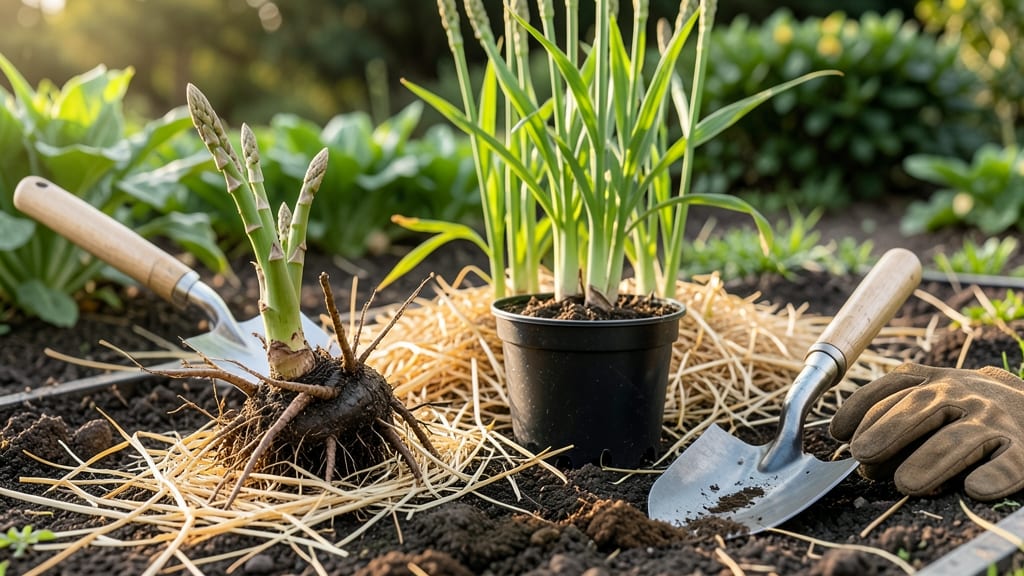
Planting asparagus in Zone 9 at the wrong time could mean waiting years for your first harvest—but get the timing right, and you’ll enjoy fresh spears for decades.
Unlike cooler climates, Zone 9 gardeners have a unique advantage: mild winters and frost-free growing seasons make late fall the perfect window to establish strong roots before spring harvests.
Most gardeners in Southern California, Phoenix, or Las Vegas assume spring is the only option, but the truth is, fall planting gives asparagus crowns a head start.
When you plant in late January or early February, you avoid the brutal summer heat while still allowing roots to grow deep and sturdy before the real harvest season kicks off in March.
Here’s the game-changer: asparagus crowns planted now will produce year-round harvests starting as early as the second year, provided you follow a few key steps. We’ll cover everything from soil prep to spacing, so you can skip the guesswork and focus on that first satisfying spear.
Ready to turn your backyard into a perennial asparagus patch? Let’s dive into the exact timing, tools, and techniques that’ll set you up for success—without the common mistakes that waste years of potential.
Best fall planting windows for asparagus in Zone 9
In Zone 9, where winters are mild and summers scorching, timing your asparagus planting is critical. Unlike cooler climates, you’ll want to plant in late fall or early winter—specifically between December and February—to avoid the brutal summer heat.
This gives roots time to establish before the growing season kicks off in spring.
Zone 9’s warm soil temperatures (rarely dropping below 40°F) mean you can plant asparagus crowns without frost concerns. However, planting too early (like in November) risks root rot from lingering moisture, while planting too late (after February) delays harvests. Aim for January as the sweet spot.
Here’s why January is ideal: cooler temps slow pest activity, soil stays moist from winter rains, and crowns won’t bake in summer heat. Plus, you’ll harvest spears by spring—just in time for peak flavor!
🌱
| Planting Window | Soil Temp | Key Consideration |
|---|---|---|
| December | 50–60°F | Early start; monitor for excess moisture. |
| January | 45–55°F | Optimal: Balanced temps, minimal pests. |
| February | 55–65°F | Late but viable; harvests delayed. |
| March | 65–75°F | Risky: Heat stress for young roots. |
Zone 9’s minimal frost risk means you can skip the usual "wait for last frost" rule. Instead, focus on soil temperature: crowns thrive when soil stays between 45–65°F. Use a soil thermometer to check—planting in 50°F soil or warmer ensures strong root growth without rot.
Pro tip: If your soil runs hotter (common in Southern California or Phoenix), plant crowns deeper (10–12 inches) to keep them cool. This mimics their natural Mediterranean habitat and prevents heat stress.
Another key factor is rainfall timing. In Zone 9, winter rains often taper off by February, so plan to water deeply after planting if natural moisture dries up. Aim for 1–1.5 gallons per plant weekly until roots establish.
For container growing, stick to the same timing but use larger pots (18+ inches deep) to accommodate deep roots. Smaller containers overheat in summer, stunting growth. Place pots in partial shade during peak heat (June–August) to protect young plants.
💧
Remember, asparagus is a perennial—once planted, it’ll produce for 10–15 years if cared for properly. In Zone 9, the fall/winter window is your only shot at success. Skip it, and you’ll battle summer heat or miss the harvest window entirely.
Best fall planting windows for asparagus in Zone 9
In Zone 9, where winters are mild and summers scorching, timing your asparagus planting is critical. Unlike cooler climates, you’ll want to plant in late fall or early winter—specifically December through February—to avoid the brutal summer heat.
This timing lets roots establish before the soil warms, preventing crown rot and ensuring vigorous growth for next spring’s harvest.
The ideal soil temperature for planting asparagus crowns is between 40°F and 60°F. In Zone 9, this window aligns perfectly with January and February, when daytime highs hover around 65°F but nights dip into the 50s.
Planting in December is possible but riskier—soil may still be too warm, and crowns can rot before roots take hold.
Here’s the Zone 9 planting timeline to maximize success:
| Month | Soil Temp (°F) | Planting Window | Key Consideration |
|---|---|---|---|
| December | 55–65°F | Late December | Soil may still be warm; prioritize well-draining beds. |
| January | 45–55°F | Entire month (best window) | Perfect balance of cool soil and mild air. |
| February | 50–60°F | Early February | Soil warms quickly; act before March heat arrives. |
| March | 60–70°F | Avoid (too hot) | High risk of crown rot; wait for fall planting. |
Zone 9’s mild winters mean you can plant asparagus year-round in theory, but fall/winter is non-negotiable for success. Summer planting is a recipe for disaster—crowns rot in the heat, and spears bolt before you can harvest.
Even spring planting (March–April) is risky unless you’re in a high-elevation area with cooler microclimates.
For container growing in Zone 9, the same rules apply: plant in January–February and use well-draining potting mix with added perlite or sand. Containers heat up faster, so monitor soil moisture closely—drought stress weakens crowns before they establish.
Pro tip: Test your soil’s drainage before planting. Zone 9’s clay-heavy soils often compact, trapping moisture around roots. Amend with compost and coarse sand to mimic the well-draining conditions asparagus craves. A simple percolation test (pouring water on soil and timing drainage) will save you from soggy, rotting crowns.
Once planted, mulch heavily with straw or wood chips to insulate roots from temperature swings—a common issue in Zone 9’s unpredictable winters. This step alone can boost survival rates from 50% to 90% in your first year.