
Plants
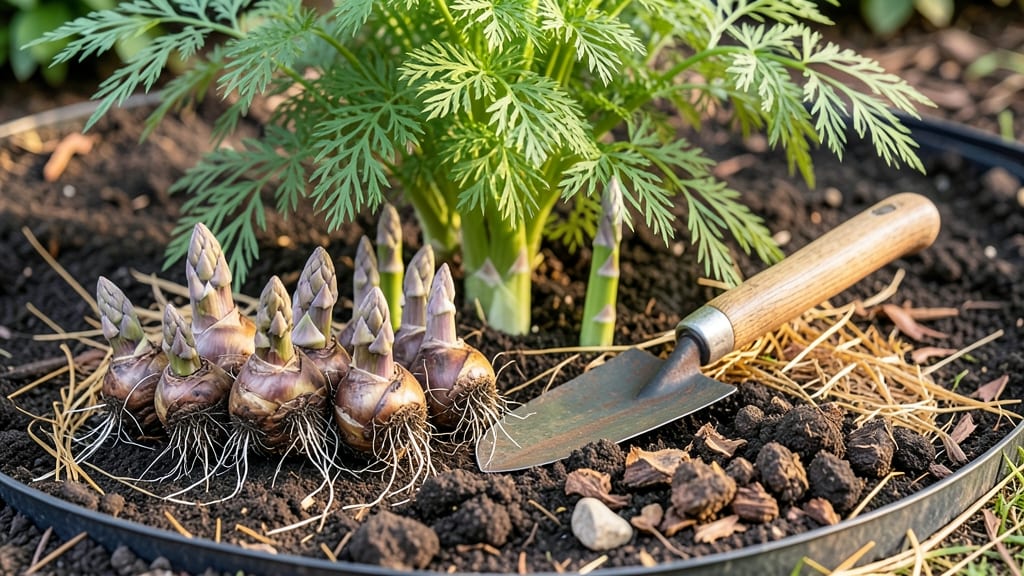
Planting asparagus in Minnesota isn't just about timing—it's about setting up your garden for decades of harvests, starting with the right start date. Too early, and frost will nip your crowns before they take root; too late, and you’ll miss the critical window for strong establishment in Zone 4a-5b soils.
I’ve learned the hard way that Minnesota’s unpredictable springs demand precision. The ideal window opens in early March (yes, even when snow still lingers) and closes by mid-April, just before the last frost—typically around April 15.
But here’s the secret: preparing your soil and crowns properly can shave weeks off that timeline.
What if you’re new to asparagus? Don’t worry—I’ll walk you through exactly how to time your planting for maximum success, from soil prep to frost protection. You’ll discover the one mistake Minnesota gardeners make that kills their asparagus before it even sprouts.
By the end, you’ll know not just when to plant, but how to give your asparagus the cold-hardy start it needs to thrive year after year. Let’s get those crowns in the ground the right way.
Minnesota asparagus planting timeline: month-by-month start dates
Minnesota’s short growing season demands precision when planting asparagus crowns. The ideal window spans from late March to mid-April, aligning with soil temperatures of 50°F+ and after the last frost date.
For USDA Zones 4a-5b, this typically means waiting until April 15 in most regions, but microclimates near lakes or urban areas may allow earlier planting.
Asparagus is a perennial crop that takes 2-3 years to establish before producing spears, so timing is critical for root development. Planting too early risks frost damage, while waiting too long delays the root system’s ability to anchor before summer heat arrives.
Use the Minnesota State Climatology Office or University of Minnesota Extension to track your local frost dates.
For crown planting (the most common method), aim for 2-3 weeks before your last frost date. This gives roots time to establish before soil warms.
In Zone 4a (northern MN), this might be late April, while Zone 5b (southern MN) can start as early as mid-March under frost protection like row covers or black plastic mulch.
If you prefer seeds over crowns, start them indoors 8-10 weeks before your last frost date. Seeds require consistent warmth (70°F+) to germinate, making them riskier in Minnesota’s unpredictable springs. Most gardeners opt for crowns for faster, more reliable results.
Here’s a quick reference for Minnesota’s planting zones and their optimal windows:
| Zone | Last Frost Date | Ideal Planting Window | Soil Temp Goal |
|---|---|---|---|
| 4a (North) | May 1 | Late April | 50°F+ |
| 4b (Central) | April 15 | Early to mid-April | 50°F+ |
| 5a (South) | April 1 | Late March | 50°F+ |
| 5b (Southeast) | March 20 | Mid-March | 50°F+ |
🌱 Pro Tip: Use a soil thermometer to confirm temps before planting.
Fall planting is not recommended for asparagus in Minnesota due to the long, cold winters. Crowns planted in September or October may not establish roots before frost, leading to poor survival.
If you miss the spring window, wait until the following year—patience pays off with decades of harvests.
For urban gardeners or those with limited space, consider container growing. Use large pots (at least 12 inches deep) and plant crowns in early May after the last frost. Containers warm up faster, allowing a slightly later start, but still require full sun exposure.
After planting, mulch heavily with straw or wood chips to retain moisture and protect roots from temperature swings. Avoid disturbing the soil—asparagus roots are shallow and sensitive to disruption. In Minnesota’s clay-heavy soils, amend with compost to improve drainage and prevent root rot.
Remember: First-year spears should never be harvested. Let the plant focus on root and crown development. By year three, you’ll see full production, making your timing and preparation well worth the wait. 🌿
How to prepare asparagus crowns for Minnesota’s harsh spring: pre-planting tips
Minnesota’s unpredictable springs—with late frosts and fluctuating temperatures—can turn asparagus planting into a high-stakes gamble. But with the right prep, your asparagus crowns can thrive despite the Zone 4-5 challenges.
Start by selecting cold-hardy varieties like ‘Mary Washington’ or ‘Jersey Knight,’ which tolerate Minnesota’s early-season frost risks better than tender types.
Before planting, soak your crowns in lukewarm water for 4-6 hours to hydrate the roots and encourage faster establishment. This step is critical in Minnesota’s dry spring soils, where crowns often struggle to absorb moisture.
While soaking, inspect each crown for mold or soft spots—discard any damaged pieces to prevent rot in your garden bed.
✅ DO THIS for Minnesota Asparagus Success
Aim for 6.5-7.5—Minnesota’s clay-heavy soils often need lime or sulfur.
4-6 hours in lukewarm water before planting to boost root growth.
6-8 inches deep with roots facing downward to protect from frost heave.
4-6 inches of straw or wood chips to insulate roots from temperature swings.
Maximizes sun exposure and warms soil faster in spring.
❌ AVOID These Minnesota-Specific Mistakes
Crowns can freeze or dry out if buried less than 4 inches.
Minnesota’s compacted clay needs compost or sand for drainage.
Can burn roots in cold soils—opt for aged compost instead.
Poor drainage leads to rot—choose slightly elevated garden areas.
Amend your planting area with 2-3 inches of compost mixed into the top 12 inches of soil. Minnesota’s native clay benefits from organic matter to improve drainage and warmth retention.
If your soil tests acidic (pH below 6.5), add pelletized lime 2-3 weeks before planting to give it time to adjust.
For extra frost protection, consider planting in raised beds or covering the bed with black plastic mulch 2 weeks before your target planting date. This warms the soil faster and extends your planting window by 10-14 days.
In northern Minnesota (Zone 3), wait until after May 1 to plant, even if soil feels workable.
Finally, space your crowns 12-18 inches apart in rows 3 feet apart to allow airflow and reduce fungal risks. Label your rows immediately—asparagus takes 2-3 years to establish, and patience is the key to those decades-long harvests Minnesota gardeners dream of.