
Plants
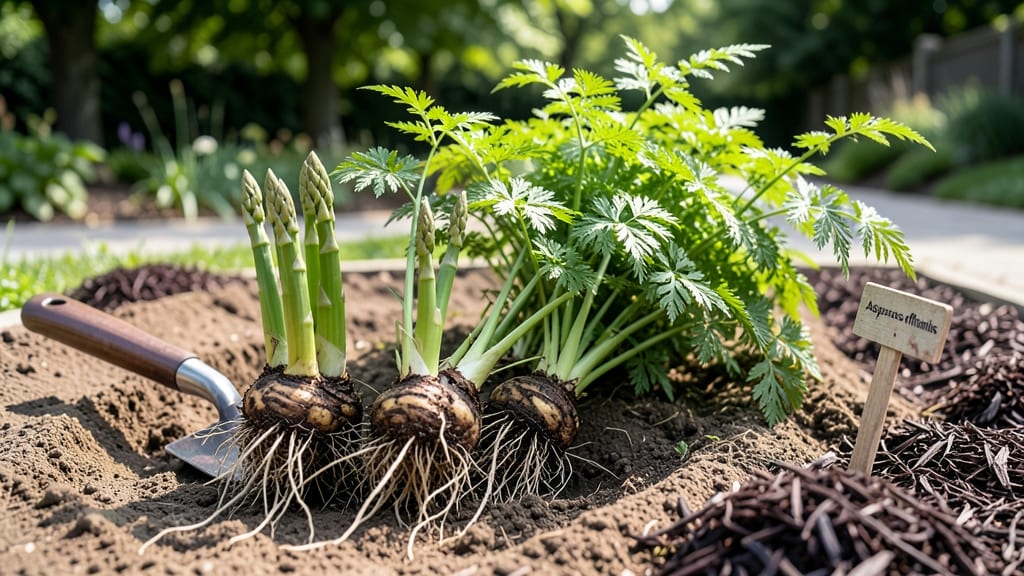
Planting asparagus in Tennessee at the wrong time could mean wasting your crowns—or worse, inviting frost damage that stunts your garden for years. The ideal window is narrow, but getting it right means 3-5 years of fresh, homegrown spears straight from your yard.
I’ve grown 🟢 asparagus here for over a decade, and I’ll show you exactly when to plant for maximum success in zones 6a-7b.
Most gardeners assume early spring is the only option, but Tennessee’s mild winters actually let you plant asparagus crowns as early as February—if you follow the right steps. The key is avoiding soil that’s still too cold, which can rot your crowns before they even take root.
I’ll break down the exact timing, plus how to adjust for late frosts that sneak in around March.
You might be surprised to learn that planting too late isn’t the real enemy—it’s planting too soon when the ground is frozen. I’ll share my go-to method for testing soil readiness, so you never guess wrong.
Plus, I’ll cover whether to plant crowns or seeds, and how spacing affects your harvest in years 2-3.
Ready to grow asparagus that thrives year after year? Let’s dive into the perfect planting schedule for Tennessee’s climate, so you can enjoy your first spears by May—and keep the harvest going until July. Your future self will thank you.
Best planting months for asparagus in Tennessee’s climate zones
Tennessee’s USDA zones 6a-7b offer a 180-day growing season, perfect for asparagus—but timing matters. Plant too early, and crown rot from lingering frost will kill your crop. Too late, and your asparagus won’t establish strong roots before summer heat arrives.
The ideal window is 2-3 weeks before your last frost date, typically mid-February to early March for most of the state.
For zone 6a (eastern Tennessee, e.g., Knoxville), aim for late February to early March when soil temperatures hit 50°F (10°C). In zone 7b (Memphis, Nashville), you can plant as early as mid-February, but avoid planting before January 15—soil may still be too cold.
Use a soil thermometer to confirm readiness; asparagus roots need warmth to grow.
If you’re using asparagus crowns (the most common method), they’ll establish faster than seeds. Crowns should go in the ground 2-3 weeks before last frost, while seeds need 8-10 weeks to sprout—so plant them 4-6 weeks earlier.
Pro tip: Pre-sprouted crowns (with 2-3 inch shoots) are best for Tennessee’s short growing season.
Here’s a quick zone-by-zone breakdown of planting windows, soil temps, and frost risks:
| USDA Zone | Last Frost Date | Ideal Planting Window | Soil Temp for Planting | Frost Risk |
|---|---|---|---|---|
| 6a (e.g., Knoxville, Chattanooga) | Mid-March | Late February - Early March | 50°F (10°C) minimum | High (late frosts common) |
| 6b (e.g., Nashville, Cookeville) | Early March | Mid-February - Late February | 50°F (10°C) minimum | Moderate (occasional late frosts) |
| 7a (e.g., Memphis, Jackson) | Late February | Early February - Mid-February | 45°F (7°C) minimum | Low (rare late frosts) |
| 7b (e.g., Chattanooga outskirts) | Mid-February | Mid-January - Early February | 40°F (4°C) minimum | Very Low (microclimates vary) |
For microclimates (like valleys or urban heat islands), adjust your timing by 1-2 weeks. For example, if you’re in a warmer microclimate (e.g., near a river or paved area), you can plant 1-2 weeks earlier than the zone average.
Conversely, high-elevation areas (e.g., Great Smoky Mountains) may need to delay planting until early March to avoid frost.
If you miss the ideal window, don’t panic! You can still plant asparagus in early April, but expect a smaller first-year harvest and slower establishment. For a fall planting (less common but possible), aim for late August to early September—this gives roots time to establish before winter.
However, fall-planted asparagus may take an extra year before producing spears.
One critical mistake Tennessee gardeners make is planting asparagus in fall or winter. While the crowns can survive light frosts, soil temps below 40°F (4°C) stunt root growth. If you’re using bare-root crowns, soak them in water for 1-2 hours before planting to reduce transplant shock.
For container-grown crowns, plant them 1 week earlier than bare-root to account for their established root systems.
To protect young plants from unpredictable late frosts, use row covers or straw mulch (4-6 inches thick) after planting. This adds 2-4°F of protection and can extend your planting window by 10-14 days.
In Tennessee’s Zone 6a, this is especially useful—late frosts in March can still occur even after the average last frost date.
Finally, mark your asparagus bed permanently—this perennial crop will live for 10-15 years if cared for properly! Use landscape fabric or gravel paths to keep foot traffic off the crowns, which can rot if disturbed.
With the right timing and soil prep, your Tennessee asparagus patch will reward you with harvests for decades—starting as early as Year 2**!
Best planting months for asparagus in Tennessee’s climate zones
Tennessee’s USDA zones 6a-7b give you a 3-week window to plant asparagus crowns, but timing depends on your exact location. In northwest Tennessee (zone 7b), you can start as early as late February, while east Tennessee (zone 6a) gardeners should wait until mid-March.
The goal is to plant when soil temps hit 50°F (10°C)—any colder, and your crowns risk rotting before roots establish.
Most gardeners in Tennessee make the mistake of planting too early, especially after warm spells in January or February. I’ve seen crowns planted in January fail completely because the ground was still frozen at night.
Always test soil readiness by pushing a wooden dowel 6 inches deep—if it comes out dry, your soil is ready.
Here’s the exact planting schedule for Tennessee’s zones, including adjustments for late frosts that can hit as late as mid-April in higher elevations:
| Zone | Last Frost Date | Ideal Planting Window | Soil Temp Requirement | Crown Depth |
|---|---|---|---|---|
| 6a (East TN) | Mid-April | Mid-March to early April | 50°F (10°C) | 6-8 inches deep |
| 6b (Middle TN) | Early April | Late February to mid-March | 50°F (10°C) | 6-8 inches deep |
| 7a (West TN) | Late March | Late January to early February | 50°F (10°C) | 6-8 inches deep |
| 7b (Far West TN) | Early March | Late February to early March | 50°F (10°C) | 6-8 inches deep |
If you miss the ideal window, don’t panic—you can still plant asparagus in April, but expect a delayed first harvest in year 2. The trade-off is worth it if you’re dealing with late frosts.
For example, in Knoxville (zone 6a), I’ve planted in early April and still gotten spears by June.
For seed planting, Tennessee gardeners have an even narrower window—late March to early April. Seeds need consistent warmth to germinate, so avoid planting before soil temps hit 60°F (15°C). I recommend sticking with crowns for faster results, as seeds take 2-3 years longer to produce spears.
Pro tip: Mark your last frost date on your calendar and plant 2-3 weeks before it. This gives your asparagus time to establish roots before summer heat arrives. In Tennessee’s humid climate, early root growth is critical to avoid crown rot from excess moisture.