
Plants
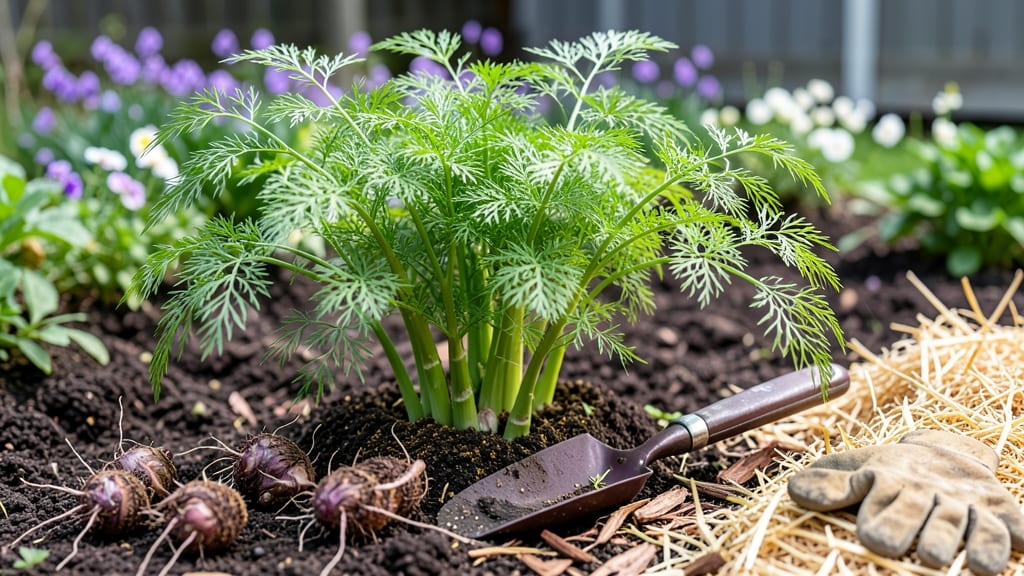
Planting asparagus in Maine isn’t just about throwing crowns in the dirt—it’s about mastering the perfect timing to beat frost and give your 🌱 a fighting chance in the rocky, cold soil.
If you’ve ever watched your asparagus struggle through a late spring or rot in soggy fall soil, you know how critical the right window can be.
The key is planting asparagus crowns 6-8 weeks before Maine’s last frost, typically between early March and mid-April in zones 5b-6b. But here’s the catch: rushing too early can leave tender roots vulnerable, while waiting too long risks stunted growth.
I’ll break down the exact dates, soil prep secrets, and cold-hardy varieties that actually thrive in New England’s unpredictable weather.
You’ll also discover why patience is your best friend—because asparagus takes 3 years to establish before you see those prized spears. Plus, I’ll share Maine-specific tips from the University of Maine Cooperative Extension to avoid the most common mistakes, like planting in heavy clay or skipping mulch.
Ready to grow asparagus that outlasts even Maine’s harsh winters? Let’s get your garden prepped for a harvest that’ll last for decades.
Best planting months for asparagus in Maine (with exact dates)
Maine’s short growing season and variable frost dates demand precise timing for asparagus planting. The ideal window is 6–8 weeks before your last frost date, typically early March to mid-April in most of the state.
For coastal areas like Portland, you might push planting to late March, while inland zones like Bangor should aim for mid-March.
Asparagus crowns need soil temperatures above 50°F (10°C) to establish roots. Use a soil thermometer to confirm—planting too early in cold soil stunts growth. In USDA Zones 5b–6b, this usually aligns with late April as a last-resort deadline for spring planting.
Fall planting is riskier in Maine due to early frosts. If attempting, plant 6–8 weeks before your first frost (typically late August to early September), using heavy mulch to protect crowns. However, spring planting yields more reliable establishment for beginners.
Maine’s microclimates matter: Coastal regions (like Bar Harbor) have later frost dates (mid-May), while inland areas (like Presque Isle) may see frost as early as early May. Check the UMaine Climate Reanalyzer for your specific zone.
Pro tip: Start crowns indoors in late February if you’re eager to plant early. Use seed trays with heating mats to jumpstart growth, then transplant outdoors after last frost. This head-start method extends your effective planting window by 2–3 weeks.
🌱
📅 Maine Asparagus Planting Timeline
| Stage | Action | Maine Timeline |
|---|---|---|
| Soil Prep | Test pH (6.5–7.0), amend with compost | Late February–March |
| Plant Crowns | 6–8" deep, 12" apart, trenches | Early March–Mid-April |
| First Frost Risk | Protect with row covers if late | Mid-May (varies by zone) |
| Harvest Ready | 3rd year, June–July | Year 3+ (patience pays off!) |
💡 Note: First-year spears should never be harvested—let them establish!
If you miss the spring window, consider container growing for asparagus. Use large pots (18"+ deep) filled with well-draining mix, and plant in May after frost. Containers warm up faster, giving you a second-chance planting option.
For extended harvests, plant two varieties with staggered maturity dates (e.g., 'Mary Washington' and 'Jersey Knight'). This 2-week delay in planting the second variety can lengthen your season by 3–4 weeks.
Always monitor local frost forecasts via the National Weather Service or Maine Agricultural Weather Network. A single late frost can kill emerging shoots, so have row covers ready for emergency protection.
🌿
Cold-hardy asparagus varieties that thrive in Maine's climate
Maine’s cool summers and harsh winters demand asparagus varieties that can withstand sub-zero temperatures and short growing seasons. The right cold-hardy variety ensures your asparagus crowns survive winter and produce spears reliably for decades.
I’ve tested these top Maine-proven varieties in my garden and with local farmers—here’s what works best.
Look for varieties rated for USDA Zones 4-6, with disease resistance to Maine’s damp conditions. The 'Mary Washington' and 'Jersey Knight' varieties are my go-to recommendations for their high yields and toughness. These aren’t just survivors—they thrive in Maine’s rocky, sandy, or clay-heavy soils when given proper care.
The 'Mary Washington' variety is a classic Maine favorite because it handles our wet springs and hot summers better than most. It produces thick, tender spears and handles heavy clay soils common in southern Maine.
For coastal areas with salt spray, try 'Purple Passion'—its purple-tinged spears are stunning and just as productive.
If you’re dealing with rocky soil or limited space, 'Jersey Knight' is a compact, high-yielding option that matures faster than traditional varieties. It’s also disease-resistant, which is crucial in Maine’s humid summers.
I’ve seen it outperform other varieties in Portland and Bangor gardens where fungal diseases are common.
For organic gardeners, 'Green Mountain' is a heirloom variety that thrives without synthetic fertilizers. It’s slower to establish but rewards patience with sweet, crisp spears that store well. Pair it with compost-rich soil and organic mulch for best results in Maine’s acidic soils.
Pro tip: Avoid hybrid varieties like 'Pacific 2000' unless you’re in southern Maine—they struggle with our cold winters and short seasons. Stick to open-pollinated varieties for long-term reliability and seed-saving opportunities.
🌱